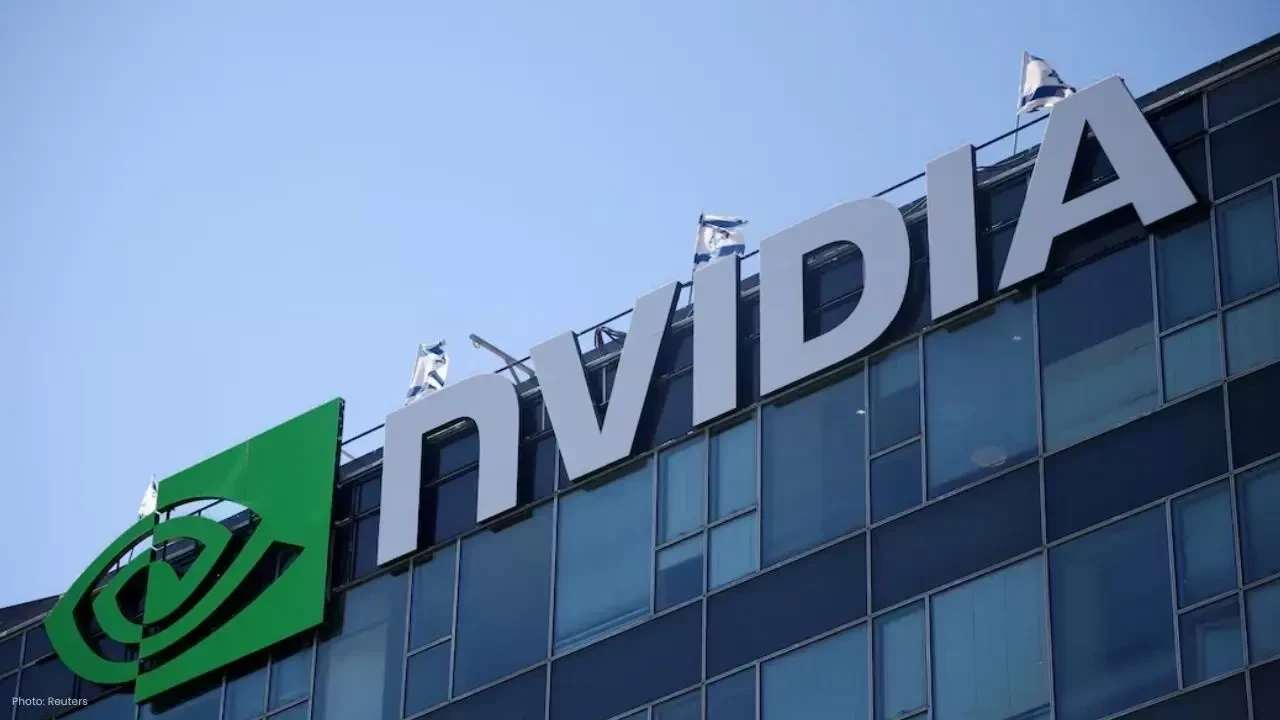
In a significant strategic move, Nvidia has formed an alliance with AI startup Groq, obtaining a license for its chip technology and welcoming Groq’s founder and CEO, Jonathan Ross, into its ranks. This partnership underscores Nvidia’s commitment to enhancing its influence in AI inference, a fast-growing area of the artificial intelligence landscape.
Instead of making a full acquisition, Nvidia chose a non-exclusive licensing agreement—an approach increasingly favored by tech giants seeking to access cutting-edge technology and exceptional talent while avoiding regulatory complications. Alongside Ross, Groq’s President Sunny Madra and several key engineers will also transition to Nvidia.
Renowned for its focus on AI inference, Groq excels at delivering quick responses from pre-trained AI models. Although Nvidia leads the AI training chip market, the inference sector presents growing competition from both established companies and new entrants.
Despite talks of a multibillion-dollar acquisition, Groq has reaffirmed its intention to operate independently. Simon Edwards has been designated as the new CEO, and the company's cloud services will continue to function.
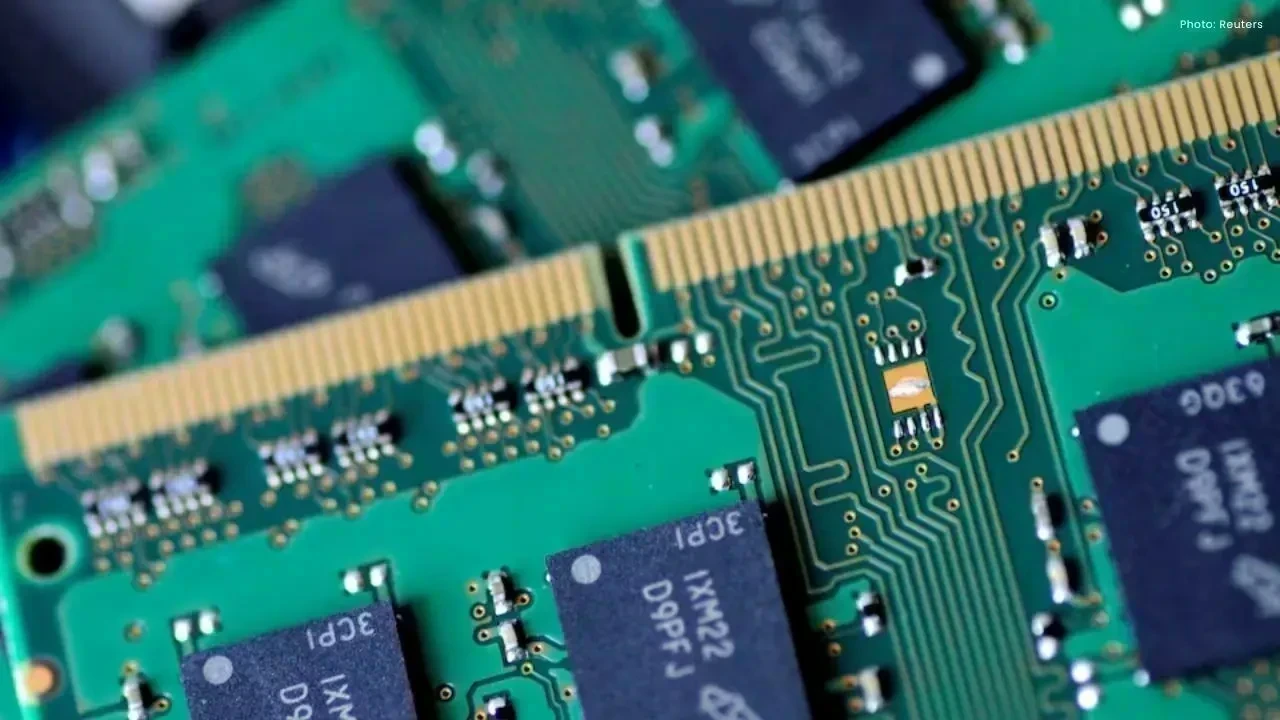
Groq's growth trajectory has been notable, with its valuation spiking over the last year post a significant funding round. The firm’s chip designs leverage on-chip memory, mitigating external supply chain issues and enhancing AI response times, albeit with some constraints on model size.
Industry analysts point out that these licensing and hiring strategies are increasingly prevalent in the tech sector as firms vie to acquire talent and innovate in artificial intelligence while carefully managing regulatory considerations.
Nvidia’s management remains confident in sustaining its market leadership as AI transitions from training systems to real-time inference capabilities, making the collaboration with Groq both timely and strategically advantageous.