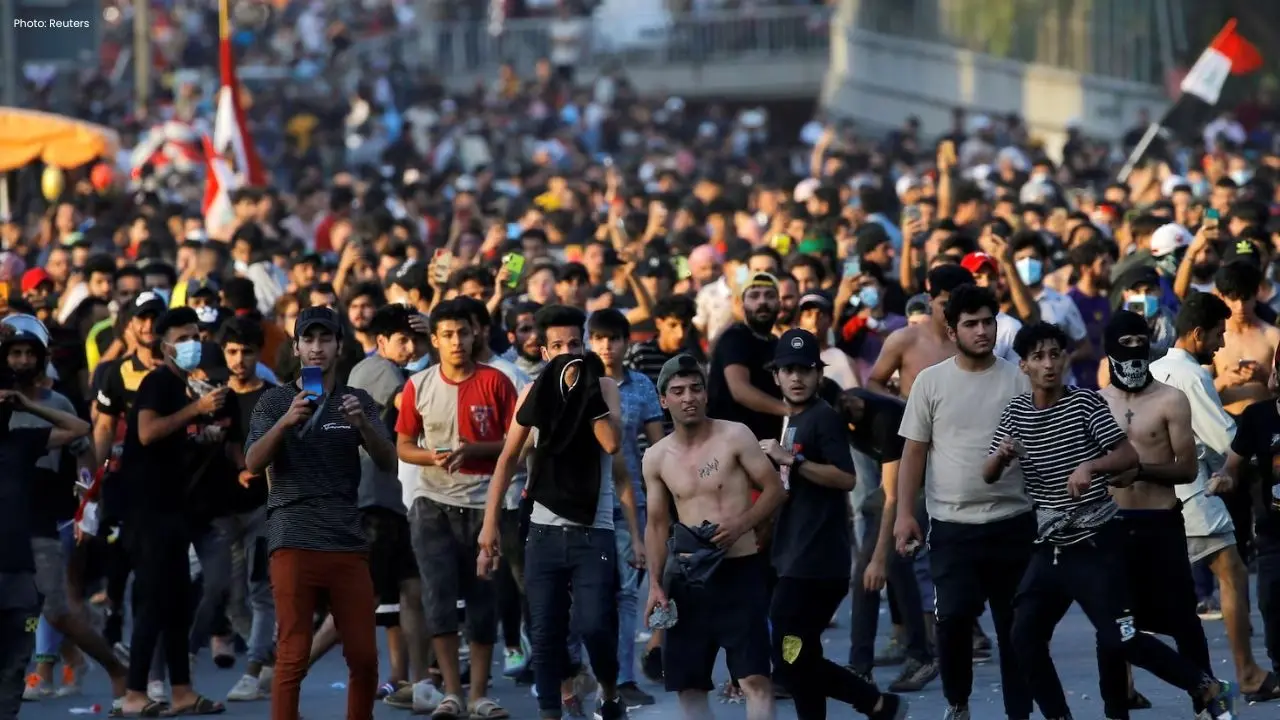
Protests are erupting in various regions of Nepal, particularly in border towns and major cities, after the government initiated strict customs duties for goods coming from India. This enforcement has sparked public unrest as locals face rising prices for essential items and challenges in cross-border trade.
Implemented under the leadership of Balendra Shah, the new policy has provoked significant demonstrations just weeks following his appointment, especially in border cities like Birgunj and the capital, Kathmandu.
Historically, the open border with India permitted smooth movement of goods and individuals, greatly benefiting communities dependent on Indian markets for cost-effective daily necessities. However, the newly enforced customs duties on goods valued over NPR 100 are dramatically shifting this established norm.
Local residents worry that this regulation is imposing additional financial strain. Many in border zones rely on Indian shops for basic groceries and medications, and duties ranging from 5 to 80 percent are making these essentials more costly.
Footage and reports from border crossings reveal intense interactions between citizens and law enforcement. Instances have been documented where even minor items like snack packs were confiscated, leading to public frustration and questioning the policy's feasibility.
The government defends its stance, asserting that the enhanced enforcement is necessary to prevent revenue losses and shield local enterprises. Officials maintain that the volume of cross-border shopping was adversely affecting Nepal's domestic markets and tax revenue.
Politically, the situation has escalated, with opposition factions and certain members from the ruling party labeling the decision as unworkable. Protests are growing, with threats of larger demonstrations if the regulations are not reconsidered, spotlighting increasing frustrations over economic and governance challenges in the nation.