Despite the escalating situation involving Iran and heightened risks in the Strait of Hormuz, NATO leaders have reaffirmed their confidence in the alliance's resilience. Recently dubbed a major global security issue, the crisis poses threats to international energy supplies and instabilities across the Middle East.
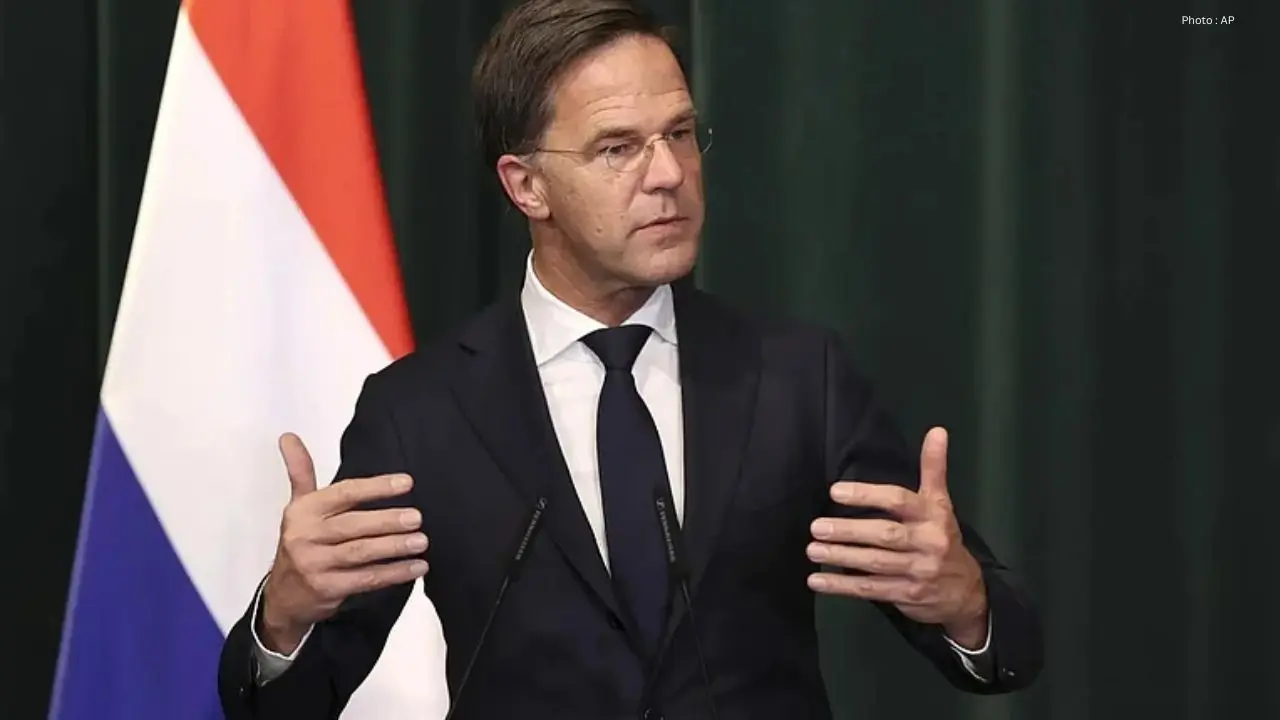
NATO Secretary General Mark Rutte emphasized the alliance's long-term optimism, stating that discussions surrounding Iran and maritime safety have become central to many diplomatic engagements. While in Europe, Rutte highlighted the collaborative efforts among NATO members to address the Gulf's complex challenges.
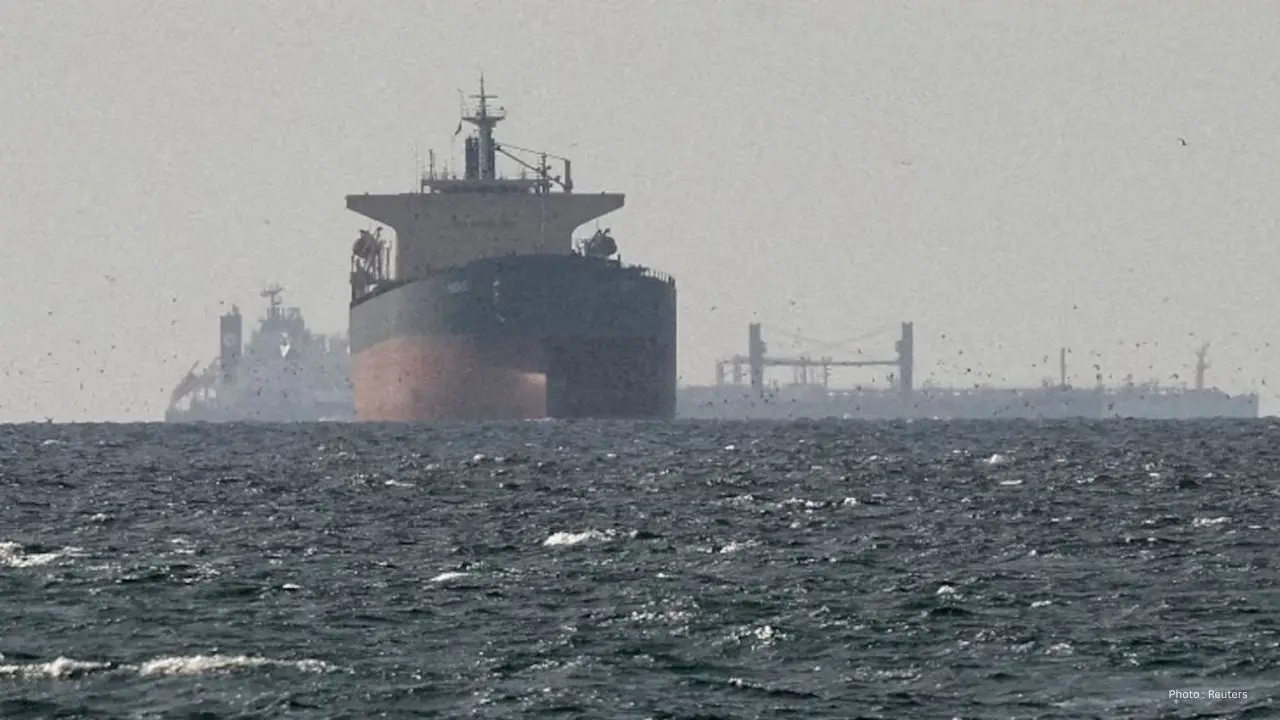
As a crucial oil transit zone, the Strait of Hormuz sees about 20% of the world’s oil and liquefied natural gas transit daily. Disruptions here would have immediate ramifications for international energy markets and trade.
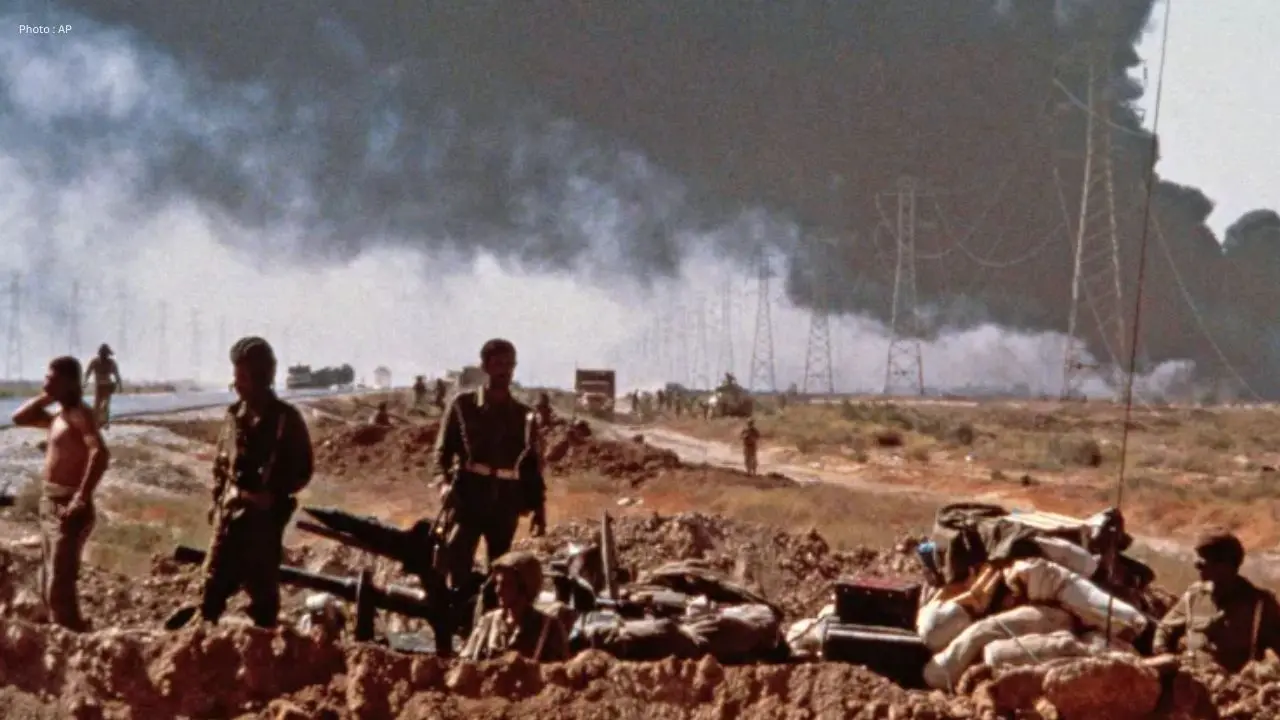
Tensions flared following confrontations involving Iran, U.S. forces, and their allies, leading to maritime incidents and threats impacting commercial vessels. Reports indicate that certain areas in the Strait have experienced decreased shipping activity due to mounting security worries.
In response to these growing tensions, NATO officials assert readiness to bolster regional security if needed. Mark Rutte mentioned that allied nations are exploring ways to enhance maritime security and maintain stability in the Gulf, with some countries considering military or logistical support should conditions worsen.
The tensions have also revealed divisions among NATO members, with some European states expressing hesitance towards direct military engagement. Concerns abound that aggressive actions could exacerbate hostilities with Iran and lead to a broader conflict, while others stress the importance of safeguarding shipping routes for both economic and energy security.
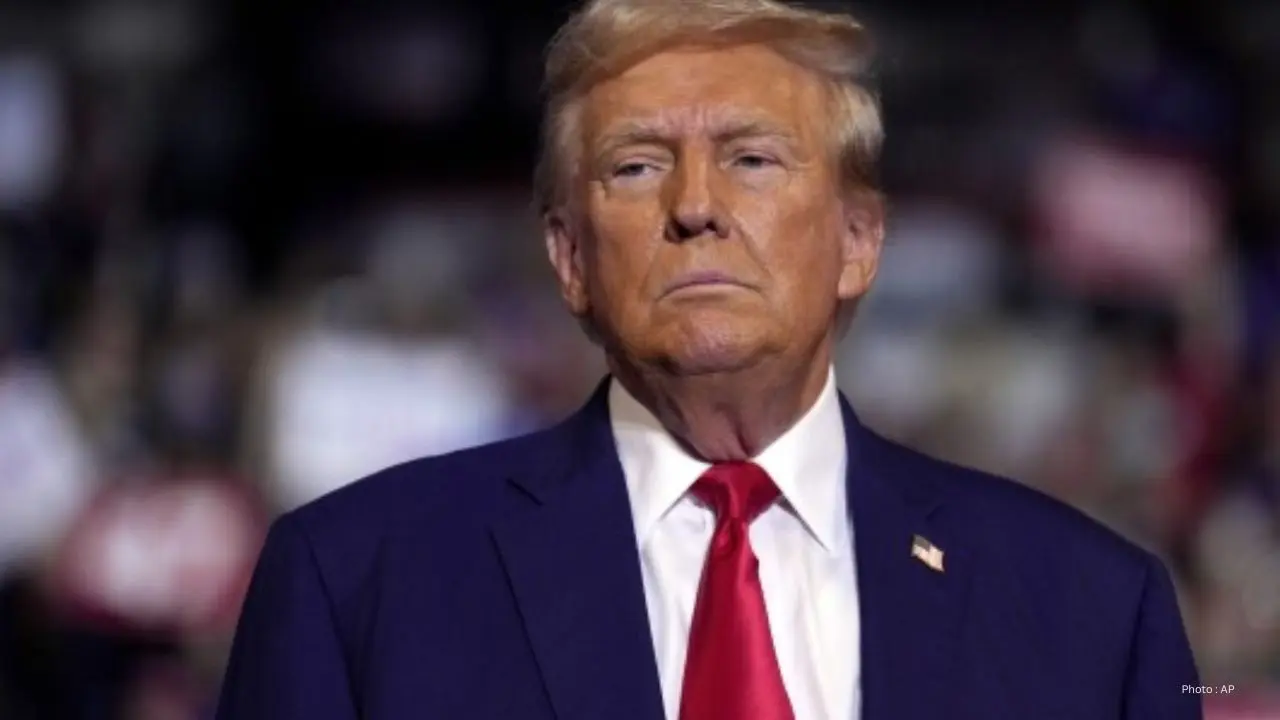
U.S. President Donald Trump has challenged certain NATO allies for their perceived delayed responses to the crisis. He has called for increased naval assistance from European partners to better safeguard maritime activity, which has caused ripples within the alliance yet leaders strive for a cohesive public portrayal.
Countries such as Germany, France, and Britain have supported diplomatic initiatives aimed at de-escalation, while simultaneously considering measures to ensure the security of shipping paths. They seek to avert a wider conflict while protecting vital trade and energy channels.
The ongoing crisis is creating substantial volatility in global financial markets, with fluctuating oil prices as investors watch developments in the Gulf closely. Experts warn that any significant attack on maritime operations or a blockade of the Strait could result in soaring oil prices, adversely influencing global economies.
According to military analysts, the current circumstances remain precarious, as securing the Strait of Hormuz is challenging amid ongoing conflict. The waterway's vulnerabilities to naval mines, drones, and strike boats complicate protective measures, even for capable military alliances.
NATO leaders continue to underscore their focus on collective security and stability during these strained times. They assure ongoing discussions among member states, emphasizing the importance of cooperation between North American and European allies amid rising tensions.