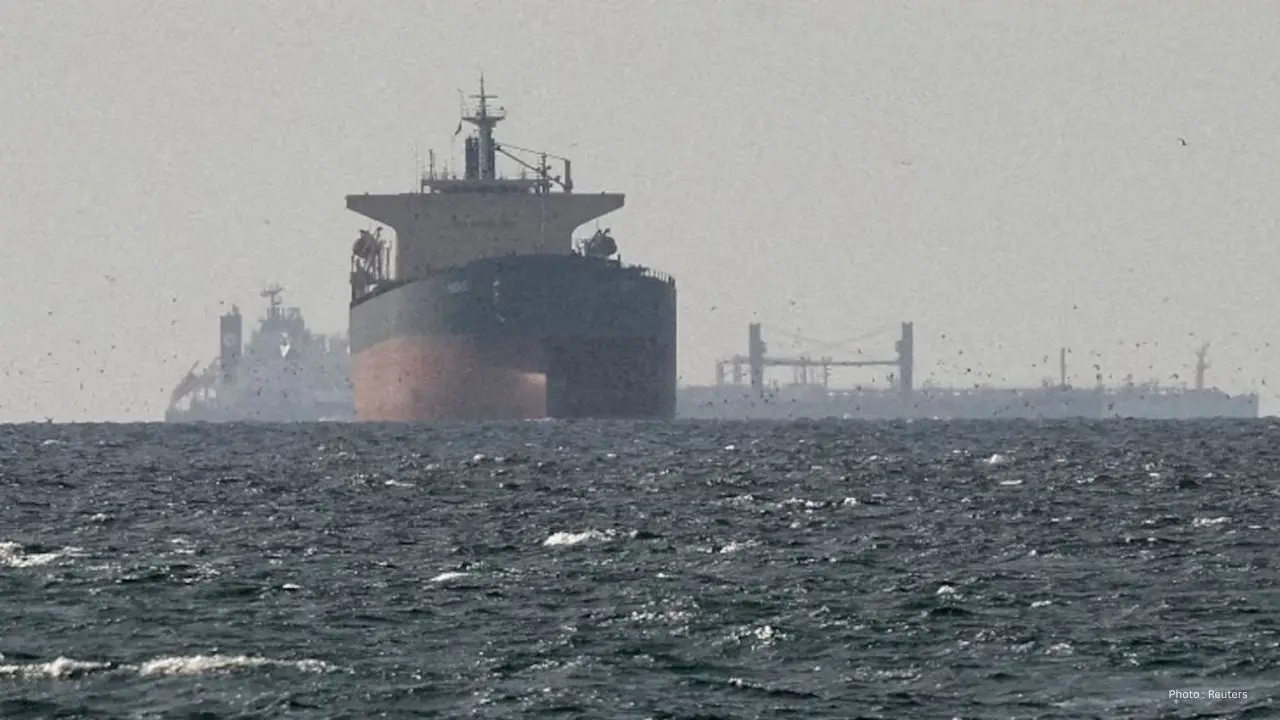
Iran is exerting greater control over the Strait of Hormuz, a critical oil trade passage, raising alarms among global energy stakeholders and Western authorities. This strategically vital chokepoint connects the Persian Gulf with the Gulf of Oman and the Arabian Sea, through which nearly 20% of the world's oil traditionally flows. Any disruption here could have immediate repercussions on global fuel costs, shipping rates, and international commerce.
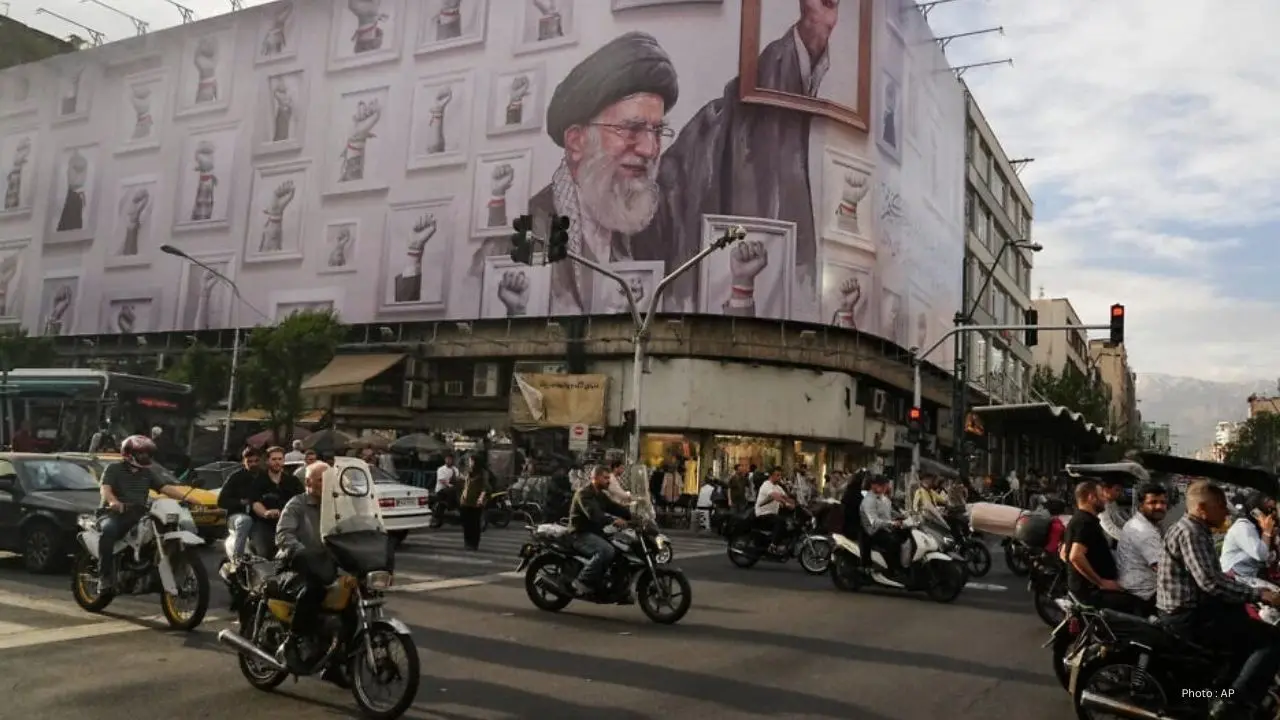
Recent assessments indicate that Iran has implemented a more stringent framework for vessels navigating the strait. Commercial ships must now acquire permission from Iranian officials before traversing certain regions, necessitating the submission of cargo specifics, crew details, and travel itineraries for scrutiny. It appears that the Islamic Revolutionary Guard Corps (IRGC) is playing an increasingly dominant role in overseeing and regulating maritime traffic in the vicinity.
Additionally, reports state that Iran has established an entity named the “Persian Gulf Strait Authority” to oversee shipping activities and grant transit licenses. Experts believe this initiative formalizes Iran's control over the strait, enhancing its negotiating position amid rising tensions with the United States and its allies. Concerns are growing among shipping firms and governments that Iran is transforming this passage into a restricted corridor rather than an open route.
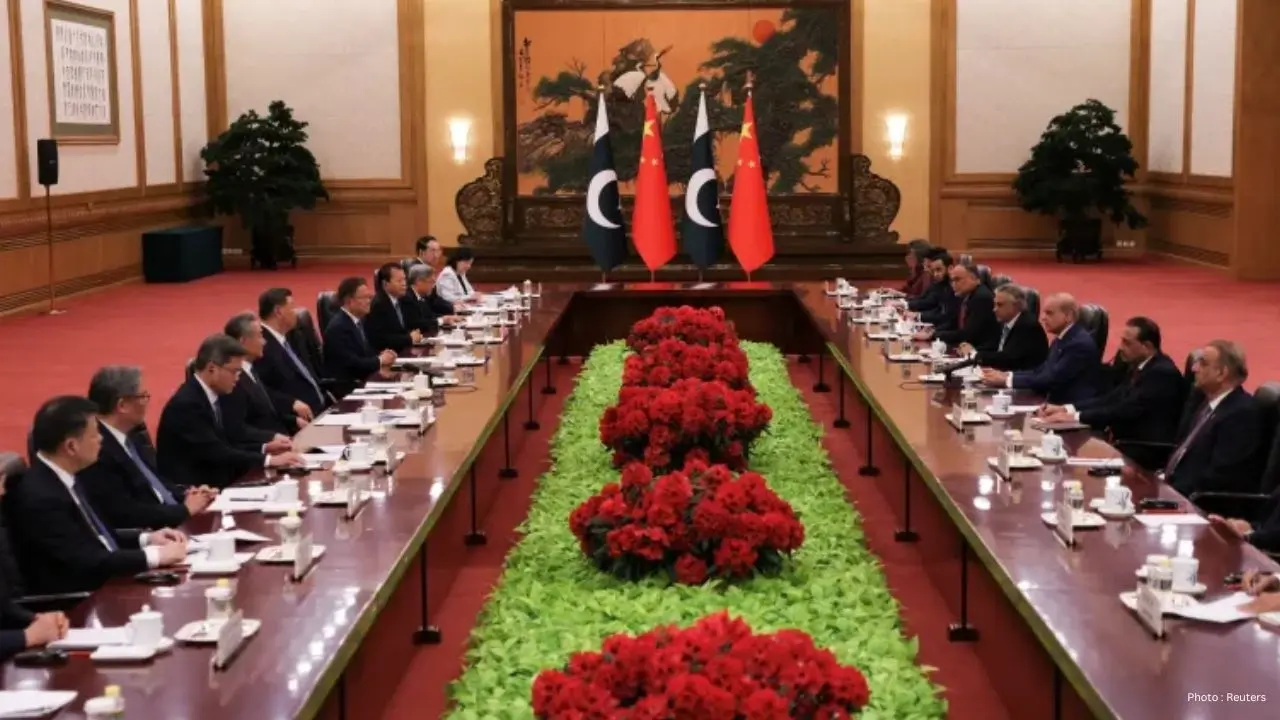
It's been noted that vessels affiliated with nations maintaining cordial relations with Iran, such as China, Russia, India, and Pakistan, enjoy comparatively smoother access through the strait. Conversely, ships from other nations may encounter delays, additional inspections, or even extra costs for passage. Some shipping operators have reportedly provided substantial unofficial “fees” to ensure safe transit. Iran contends that these actions are precautionary measures aimed at safeguarding regional waters amid ongoing military tensions.
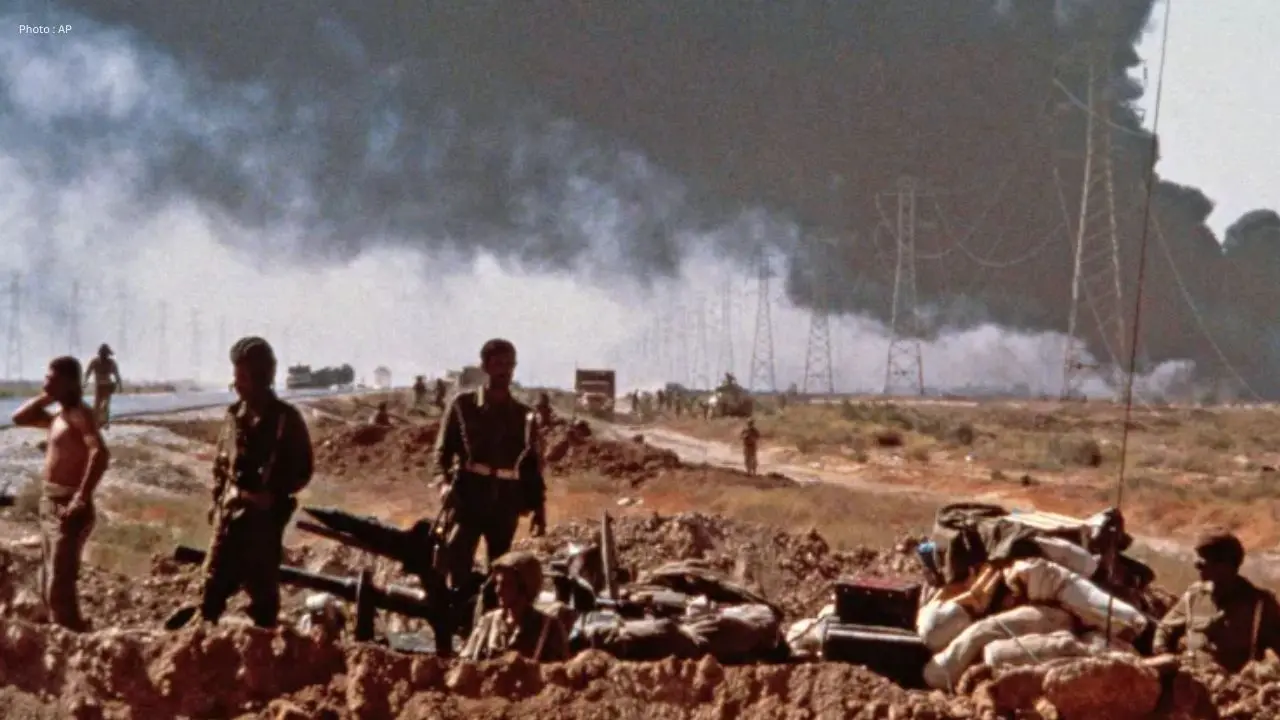
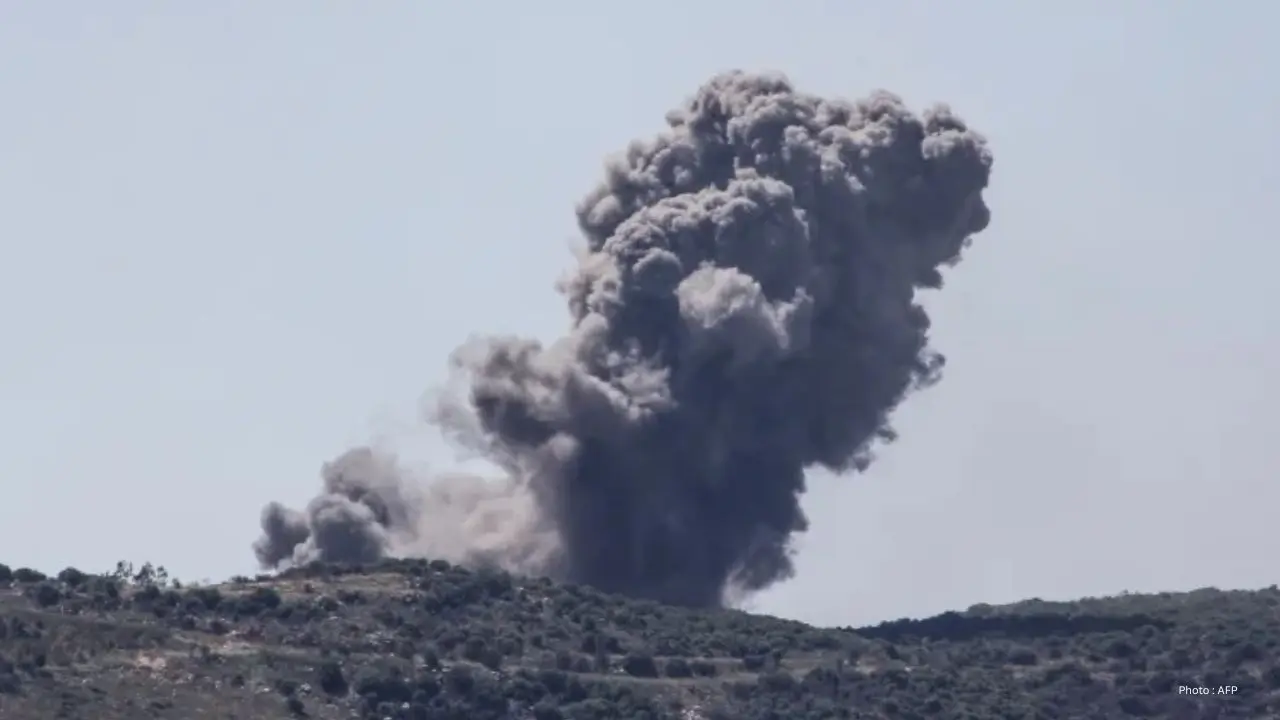
This escalation follows months of heightened conflict in the Middle East, marked by military strains involving Iran, Israel, and the U.S. Iran has consistently cautioned that foreign military presence near its waters jeopardizes regional stability. Consequently, Tehran has augmented its naval patrols and oversight activities in and around the strait. Analysts suggest that Iran is leveraging its geographic advantages strategically to exert pressure on Western nations while advancing its own interests.
The ramifications for global commerce and energy markets are becoming increasingly evident. Oil transport through the Strait of Hormuz has shown a significant decline recently, with rising insurance premiums and freight charges. Energy experts caution that continued tensions could further inflate fuel prices worldwide. Meanwhile, certain Gulf nations, including the UAE, are striving to lessen their reliance on the strait by developing alternative oil export pipelines.
Security analysts highlight the current challenges for global powers in ensuring safe maritime navigation across this crucial waterway. Even with military support from the United States and allied naval forces, numerous commercial vessels remain hesitant to traverse the area, citing threats from drones, naval mines, missile assaults, and potential inspections by Iranian military.
The Strait of Hormuz has long been recognized as a geopolitical flashpoint. Iran's reinforced grip over this critical passage is perceived as both a military maneuver and a tool for economic leverage. As diplomatic dialogues between Iran and Western powers proceed, the trajectory of global oil distributions through the strait remains precarious, keeping international markets and governing bodies on high alert.