A Night That Redefined Cultural Influence
There are nights that entertain, nights that impress, and then there are nights that quietly rewrite the rules of culture. The Met Gala 2026 was not just another red carpet event—it was a moment. A moment where fashion, identity, art, and influence merged into something larger than the event itself. For a few hours, the world did not just watch. It paused.
Long before the first guest arrived, there was a feeling in the air that something different was about to unfold. The anticipation was not built on a single theme or a celebrity lineup, but on a growing sense that this year’s gala would break away from tradition in ways no one could fully predict. And when the first images began to emerge, it became clear—this was not just evolution. It was transformation.
The Symbolism of the Green Carpet
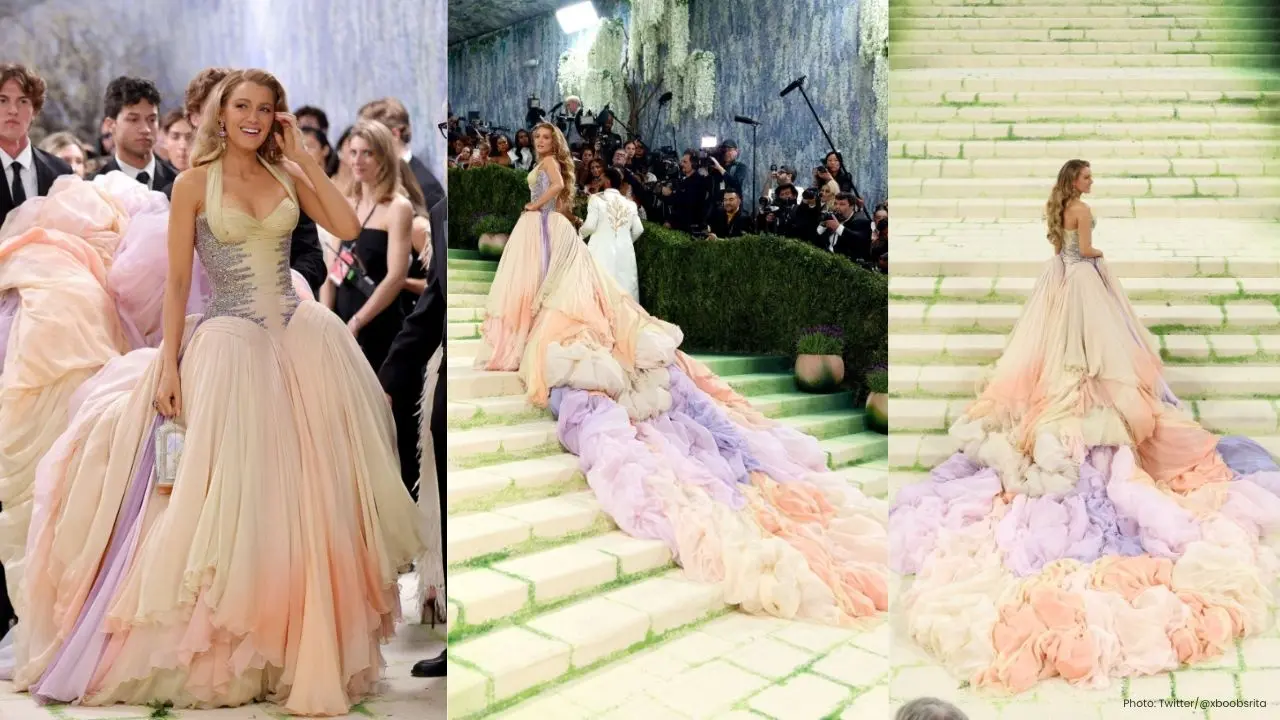
The most striking change was the carpet itself. For decades, the red carpet had been the defining symbol of glamour and status. It represented prestige, power, and a certain kind of untouchable elegance. But in 2026, that symbol shifted. The red was gone, replaced by a deep, unexpected green. At first glance, it seemed subtle, almost symbolic. But the more one looked, the more it revealed. This was not just a color change—it was a statement.
The green carpet carried a message that resonated far beyond fashion. It spoke of sustainability, of a world rethinking its priorities, of an industry beginning to acknowledge its impact. It created an immediate tension between expectation and reality. Guests stepped onto it not just as celebrities, but as participants in a larger narrative. Every step felt intentional.
Fashion as Narrative and Expression
And then came the arrivals
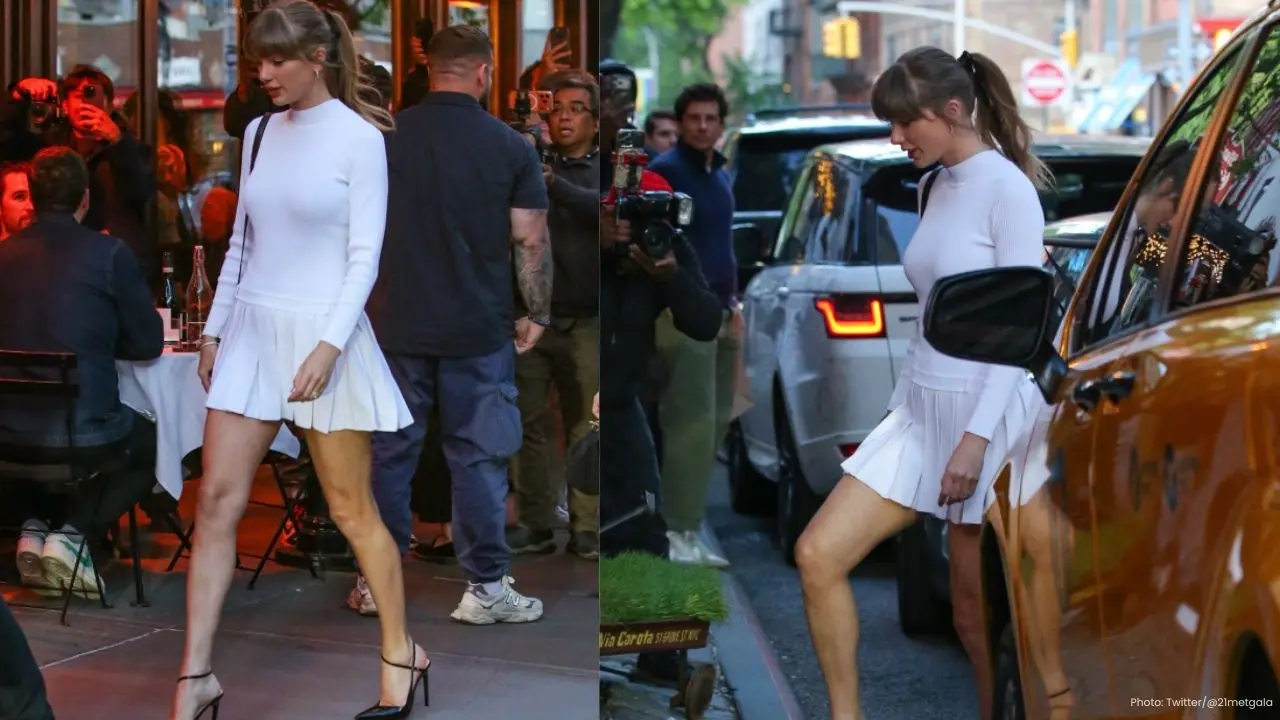
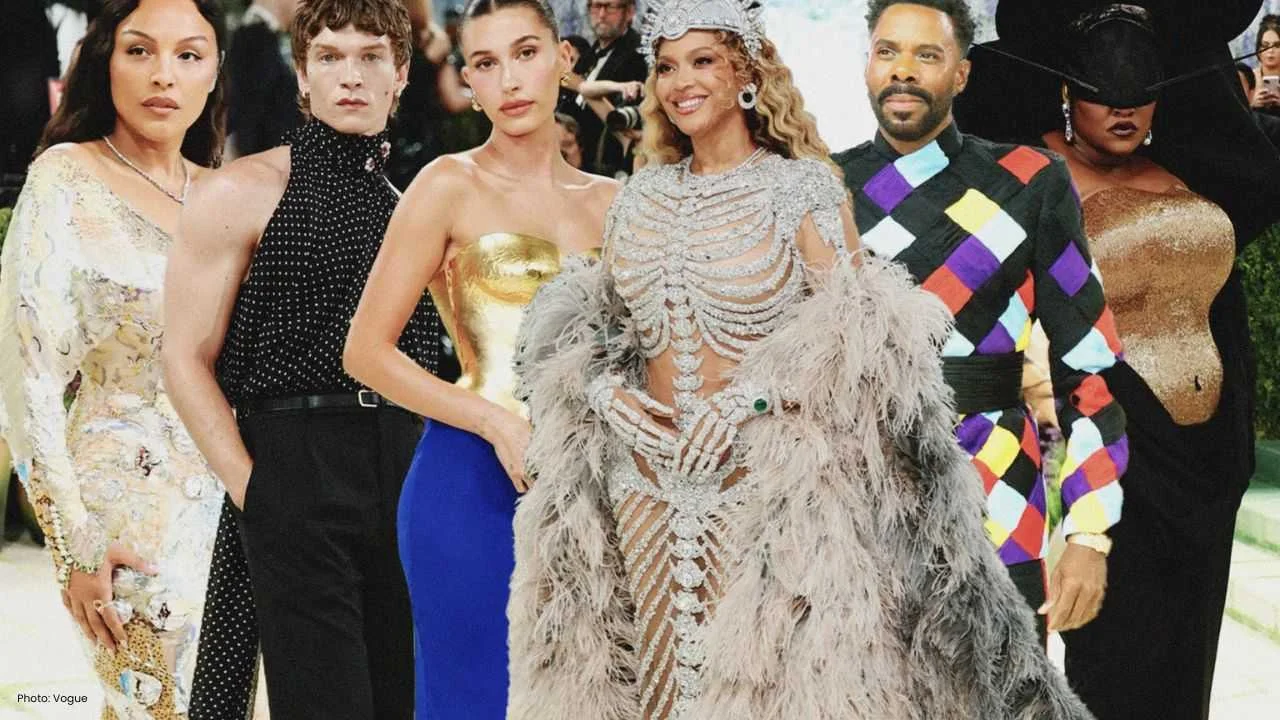
The first looks were elegant, almost restrained, as if testing the boundaries of the moment. But slowly, the energy began to build. Silhouettes grew bolder. Textures became more experimental. Colors shifted from soft tones to striking contrasts. It was as though the event itself was unfolding in layers, revealing its true identity piece by piece.
What made this year particularly captivating was the sense of unpredictability. In previous years, trends could be anticipated, themes interpreted in familiar ways. But in 2026, there was a deliberate move away from the expected. Designers pushed boundaries, not just in aesthetics, but in meaning. Outfits were no longer just garments—they were narratives.
Some guests arrived in designs that seemed to blur the line between fashion and sculpture, wearing pieces that transformed as they moved. Others embraced minimalism, using simplicity as a form of contrast against the surrounding spectacle. There were moments of quiet elegance and moments of overwhelming drama, existing side by side without competing.
A Shift in Influence and Global Perspective
But beyond the visual impact, there was something else—something less tangible but equally powerful. A shift in tone.
The Met Gala has always been about influence, but this year, influence felt different. It was not just about who wore what, but why it was worn. Conversations began to form around intention. Why this material? Why this design? Why this statement? The focus moved from appearance to meaning, from surface to substance.
Social media amplified every detail, but even there, something had changed. Instead of simply celebrating looks, audiences engaged in deeper discussions. They analyzed, interpreted, questioned. The gala became less of a spectacle and more of a dialogue. It was no longer just about being seen—it was about being understood.
As the night progressed, the atmosphere inside the event became almost mythic. While cameras captured the arrivals, what happened beyond those doors remained largely unseen, fueling curiosity and imagination. Stories began to circulate—of unexpected conversations, of collaborations forming in real time, of moments that would shape future projects and ideas.
There is always a sense of mystery surrounding the Met Gala, but in 2026, that mystery felt heightened. Perhaps it was the shift in tone, or perhaps it was the awareness that something significant was unfolding behind closed doors. Whatever the reason, the unknown became part of the experience.
The Lasting Impact of the Night
And then there were the individual moments—the ones that lingered.
A glance exchanged between two artists that hinted at a future collaboration. A designer adjusting a detail just seconds before stepping into the spotlight. A guest pausing, almost deliberately, as if aware that the moment would be remembered. These were not staged interactions, but fragments of something real, captured briefly before disappearing again.
Fashion has always had the power to reflect culture, but on this night, it seemed to do more. It challenged it. It questioned it. It redefined it.
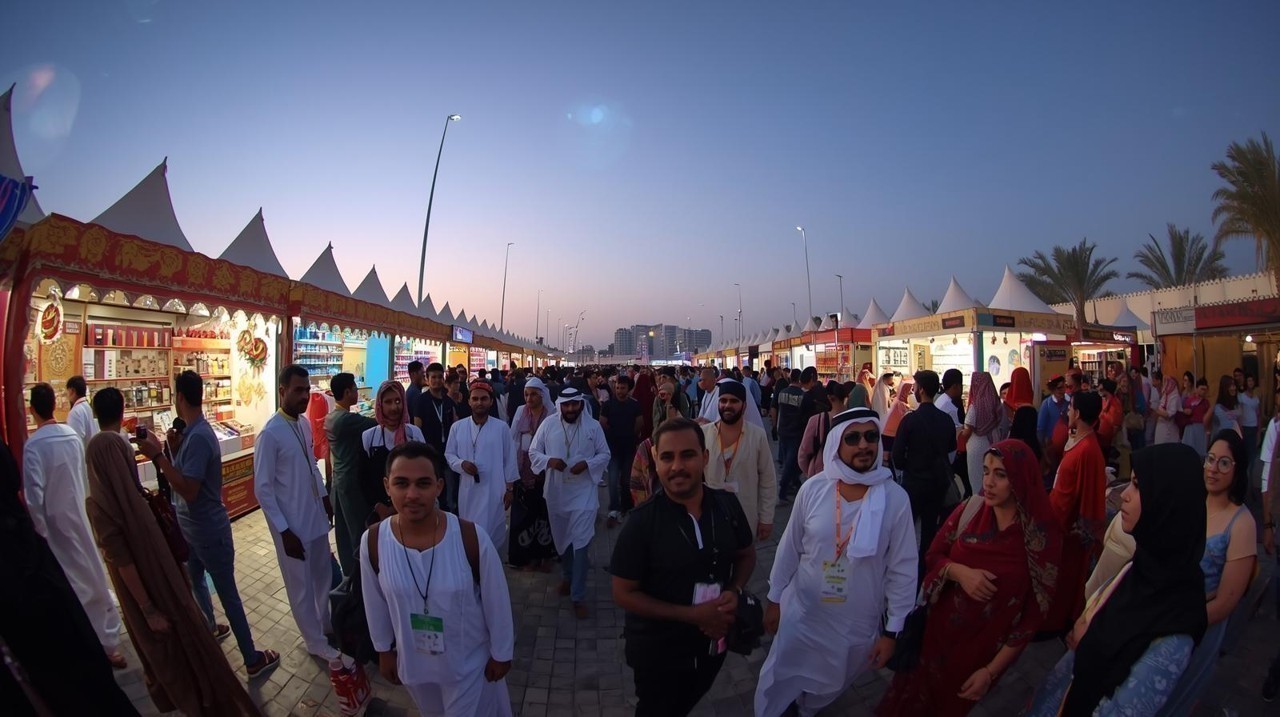
The presence of global stars added another layer to the narrative. This was no longer an event centered on one industry or one region. It had become a truly international stage, where identities, traditions, and perspectives from around the world converged. Each guest brought not just a look, but a story—a piece of their own cultural background translated into design.
This blending of influences created a sense of unity that felt both subtle and powerful. Differences were not minimized, but highlighted, celebrated as part of a larger whole. It was a reminder that culture is not static—it evolves, adapts, and grows through connection.
As the night drew to a close, the impact of the event began to settle in. The images continued to circulate, the conversations continued to grow, and the influence began to extend beyond the event itself. Designers would take inspiration from what was seen. Brands would adapt. Audiences would rethink their own perceptions of style and expression.
But perhaps the most lasting effect was the feeling it left behind.
There was a sense that something had shifted—not dramatically, not suddenly, but meaningfully. The Met Gala 2026 had not just presented fashion. It had presented a new way of thinking about fashion. A way that values intention as much as aesthetics, meaning as much as impact.
In the days that followed, the world continued to move, as it always does. News cycles changed, attention shifted, and new stories emerged. But the echoes of that night remained. In the designs that would follow, in the conversations that would continue, in the quiet realization that culture, once again, had been reshaped.
And perhaps that is the true power of the Met Gala—not just to reflect the world as it is, but to suggest what it could become.
In 2026, it did exactly that.