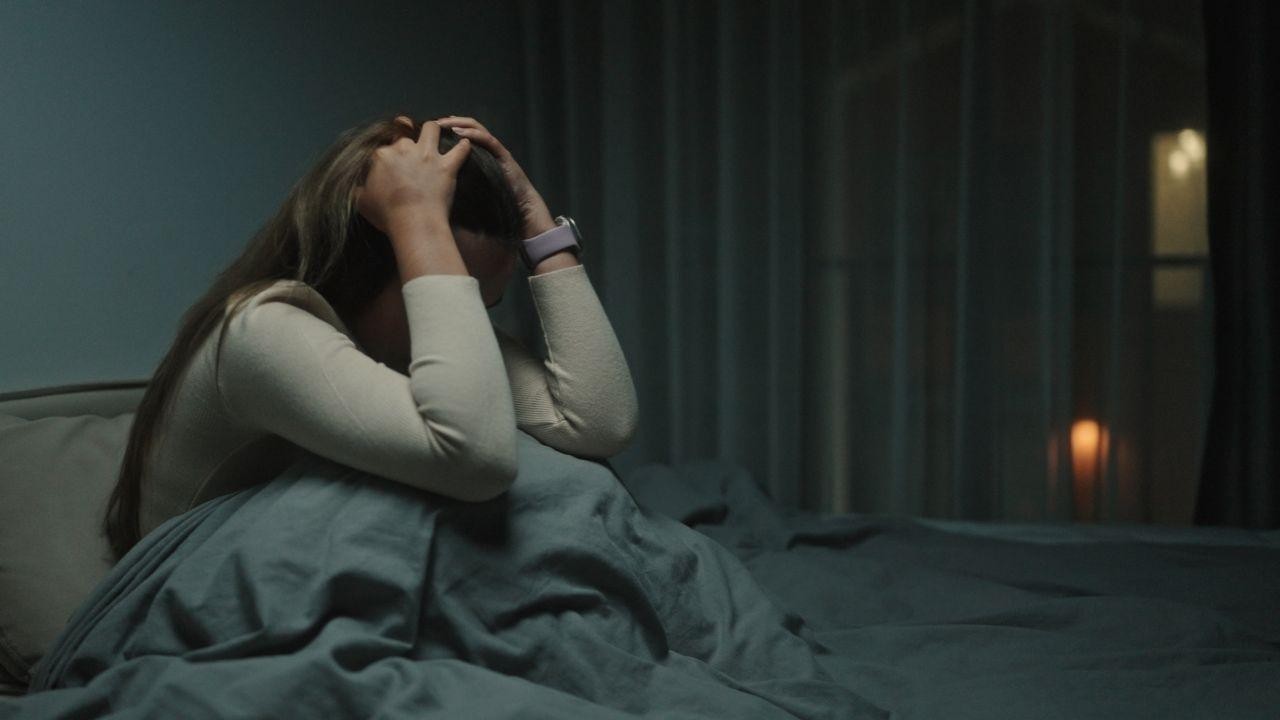
In today’s hyper-connected, always-on society, stress and worry have become nearly constant companions. More people than ever before are reporting feelings of unease, panic, and overwhelming fear. Understanding anxiety in the modern world has become essential—not just for mental health professionals, but for anyone trying to navigate the pressures of daily life.
What Is Anxiety?
Anxiety is a natural response to stress. It’s a feeling of fear or apprehension about what’s to come—whether it’s a job interview, a health scare, or an upcoming deadline. But when that fear becomes chronic and interferes with everyday life, it moves beyond a normal emotional response and into the territory of an anxiety disorder.
Why Is Anxiety Increasing in Modern Times?
Several factors unique to the modern age contribute to the rising rates of anxiety. Let’s explore some of the most common triggers:
1. Information Overload
We are constantly bombarded with news alerts, emails, social media updates, and notifications. The human brain is not wired to process this much information at once, leading to cognitive overload and mental fatigue.
2. Social Media Pressure
Platforms like Instagram and TikTok often show only the highlights of people’s lives, setting unrealistic standards. Comparing yourself to filtered perfection can fuel insecurity and feelings of inadequacy.
3. Workplace Stress and Burnout
With blurred lines between work and home—especially in remote or hybrid jobs—many people find it hard to switch off. The pressure to be constantly productive contributes to burnout, a key trigger for anxiety.
4. Economic Uncertainty
Rising living costs, job instability, and financial insecurity add another layer of stress. Economic pressure can create chronic worry, especially for young adults and families.
5. Global Crises and Uncertainty
From climate change to pandemics, the modern world presents challenges that are both global and personal. Living in a state of constant uncertainty keeps the body in a high-alert mode, contributing to long-term anxiety.
Common Symptoms of Anxiety
Anxiety doesn’t look the same for everyone, but some common symptoms include:
- Rapid heartbeat or palpitations
- Difficulty concentrating
- Restlessness or irritability
- Sleep disturbances
- Muscle tension
- Constant worrying or overthinking
- Panic attacks in severe cases
If any of these symptoms are interfering with your daily life, it’s essential to seek help from a healthcare professional.
How to Manage Anxiety in the Modern World
While anxiety can feel overwhelming, there are proven strategies that can help reduce its impact.
1. Mindfulness and Meditation
Practicing mindfulness through meditation, deep breathing, or yoga helps ground your thoughts in the present. It trains your brain to stay calm, even in stressful situations.
2. Digital Detox
Reducing screen time—especially before bed—can dramatically improve your mental clarity and reduce feelings of anxiety. Consider turning off notifications or taking regular breaks from social media.
3. Regular Physical Activity
Exercise is a powerful tool for managing anxiety. Even a 30-minute walk a day can release endorphins that help reduce stress levels and improve mood.
4. Therapy and Counseling
Talking to a licensed therapist can help you uncover the root causes of your anxiety and develop healthy coping mechanisms. Cognitive Behavioral Therapy (CBT) is particularly effective for anxiety disorders.
5. Healthy Lifestyle Choices
Nutrition, sleep, and hydration all play a role in how we feel mentally. A balanced diet, regular sleep schedule, and adequate water intake help keep your body and mind in optimal condition.
6. Set Boundaries and Say No
Overcommitting is a fast track to burnout. Learn to set boundaries at work and in your personal life. Saying no to unnecessary obligations can free up mental space and reduce stress.
When to Seek Professional Help
While lifestyle changes can be very effective, anxiety that significantly impacts your daily functioning should be treated by a mental health professional. If you’re experiencing frequent panic attacks, suicidal thoughts, or physical symptoms that don’t improve with self-care, it’s time to consult a doctor or therapist.