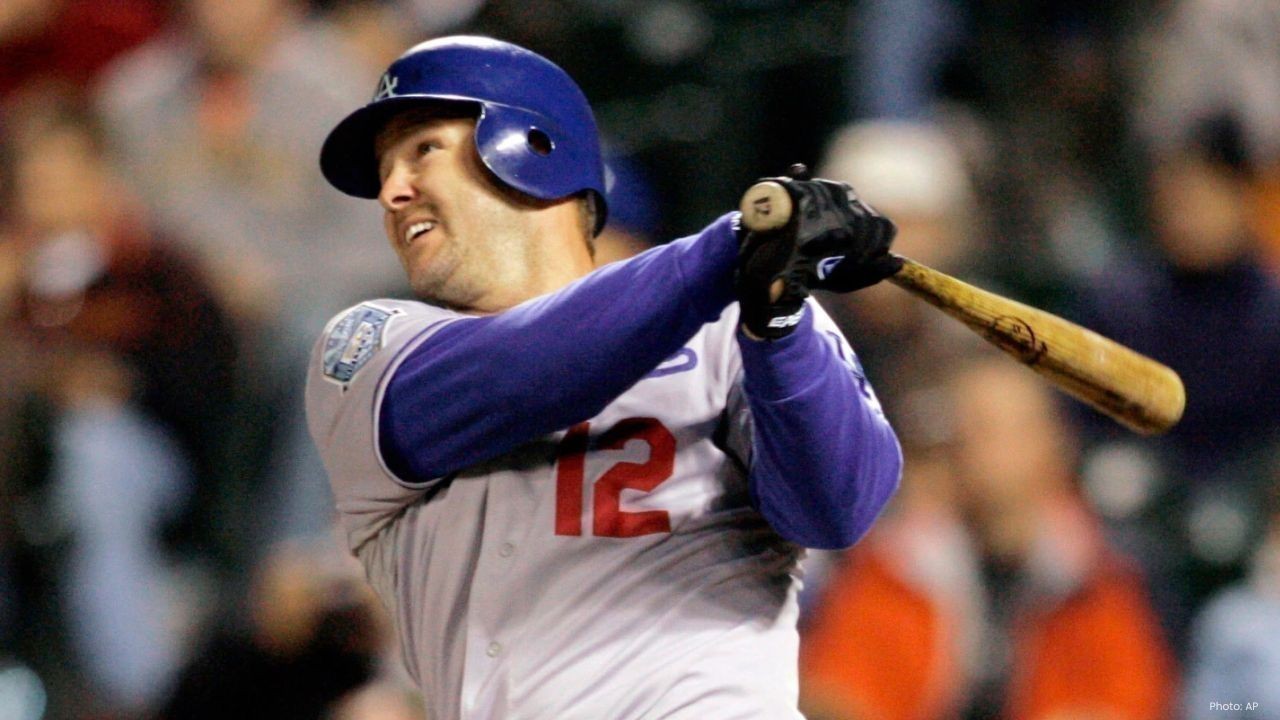
Jeff Kent’s voice trembled and his eyes welled up as he received the call he had waited more than 17 years to hear: he had finally been elected to baseball’s Hall of Fame. The former second baseman admitted he was “emotionally unstable” in the moment, overwhelmed as memories from his long career came rushing back.
Kent secured 14 of the 16 votes from the contemporary era committee, crossing the threshold by two votes. The result places him alongside the upcoming Baseball Writers’ Association of America selections, which will be announced on January 20, ahead of the July 26 induction ceremony in Cooperstown, New York.
A five-time All-Star, Kent built a powerful résumé over 17 seasons with six teams, hitting .290 with 377 home runs and 1,518 RBIs. His 351 home runs as a second baseman remain the most ever by a player at the position. His peak years came with the San Francisco Giants, where he shared the lineup—and occasional friction—with Barry Bonds.
Bonds and Roger Clemens, both linked to steroid allegations they deny, once again fell short, receiving fewer than five votes. Under the Hall’s updated rules, they won’t be eligible for this committee’s ballot until 2031.
Kent’s path to Cooperstown was long and often frustrating. He debuted on the BBWAA ballot in 2014 with 15.2% and climbed to 46.5% before aging off after 10 attempts. His candidacy frequently sparked debate, fueled in part by past controversies—including his 2002 wrist injury that the Giants suspected came from a motorcycle mishap rather than washing his truck, as he claimed.
Other candidates also faced mixed results. Carlos Delgado received nine votes, while Don Mattingly and Dale Murphy secured six each. Gary Sheffield and Fernando Valenzuela joined Bonds and Clemens among those falling under the five-vote mark.
The Hall’s evolving committee structure will next review contemporary managers, executives and umpires in 2026, with classic era players examined in 2027. That 2027 ballot marks the first possible appearance for Pete Rose following the end of his lifetime ban after his death in 2024.
For Kent, however, the wait is finally over. A career marked by power, grit, and moments of controversy now finds its closing chapter in Cooperstown—an emotional triumph he says hit him all at once, just as it did the day he stepped away from the field.