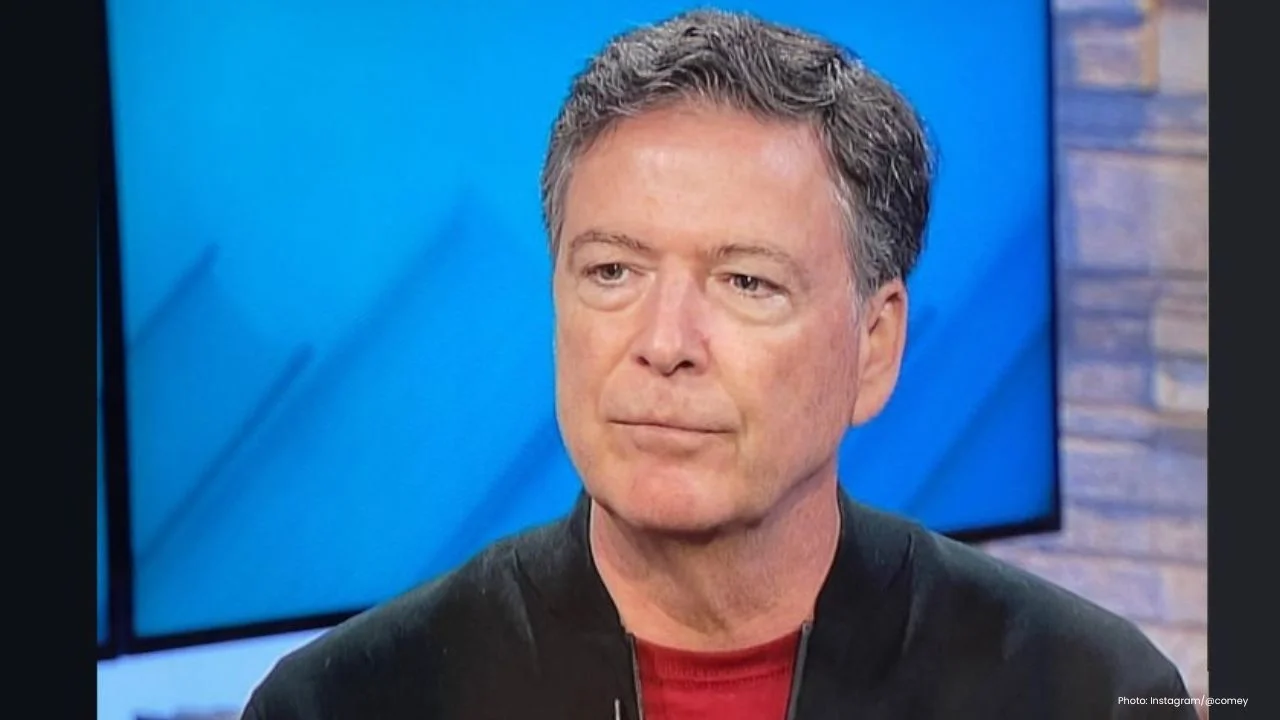
In today’s fast-moving political landscape, few names continue to spark as much debate as James Comey, the former Director of the FBI. Over the years, his career has been defined by high-profile investigations, controversial decisions, and intense political scrutiny. But the latest legal controversy surrounding him has brought his name back into global headlines, reigniting discussions about justice, politics, and the boundaries between law enforcement and political power in the United States.
The Case That Sparked the Controversy
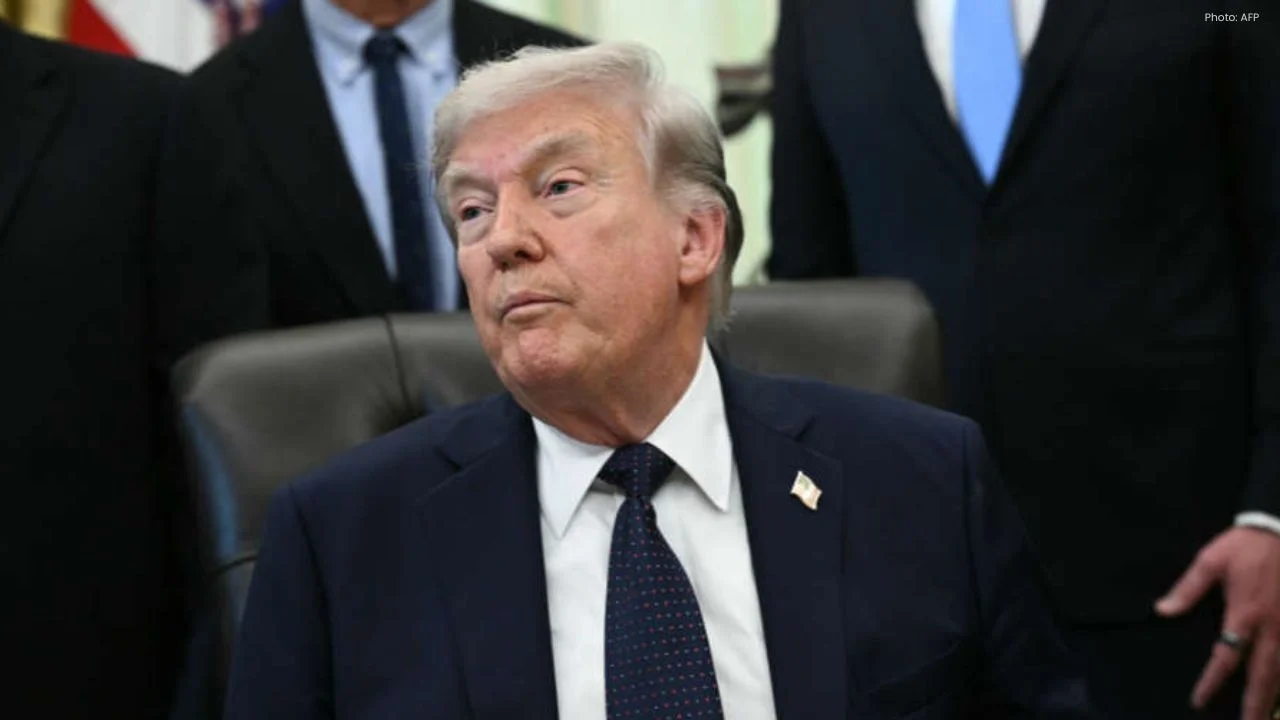
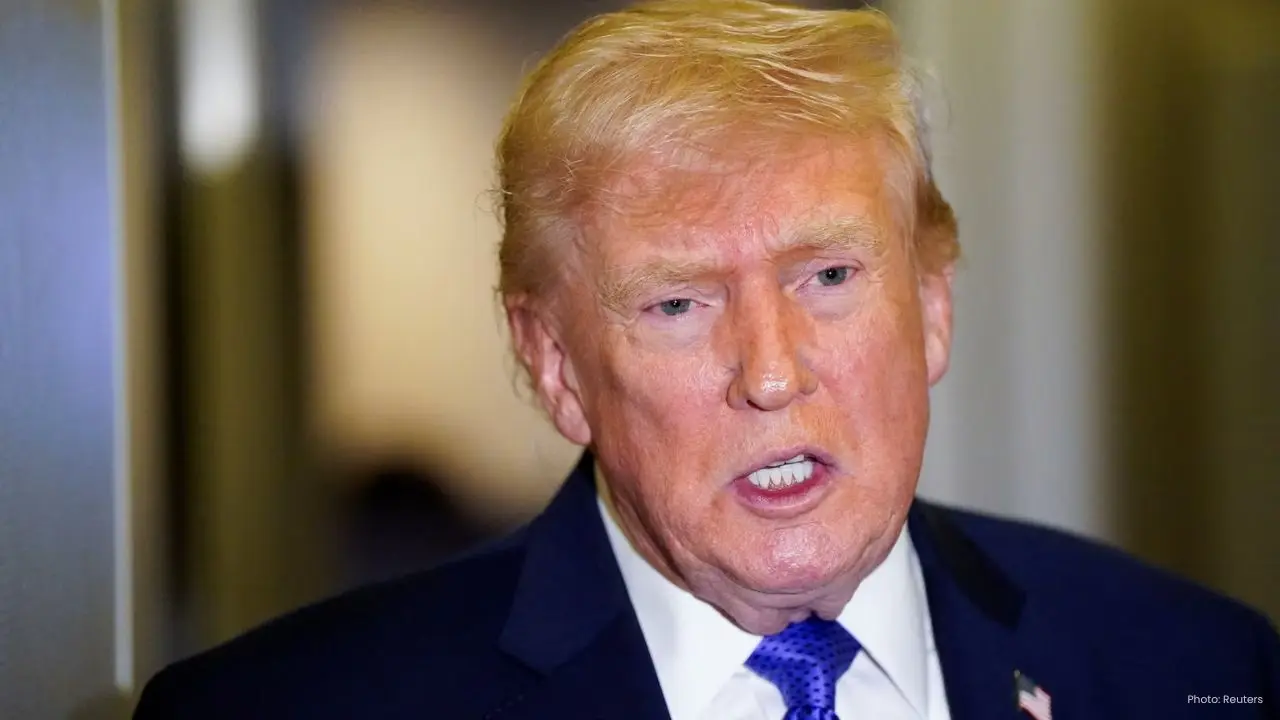
At the center of the current storm is a legal case linked to a social media post attributed to Comey, which authorities interpreted as potentially threatening toward U.S. President Donald Trump. The post reportedly involved an arrangement of seashells that some officials claimed carried a coded message. While supporters of Comey argue that the interpretation is exaggerated or politically motivated, prosecutors have moved forward with formal charges, turning the situation into one of the most unusual and widely discussed legal controversies in recent memory.
Who Is James Comey and Why He Matters
To understand why this case has captured so much attention, it is important to look at James Comey’s background. He is not a typical political figure. As a former FBI Director, he played a key role in several of the most sensitive investigations in modern U.S. history, including inquiries involving political leaders, national security matters, and high-level government operations. His decisions often placed him at the center of political debate, making him both respected and criticized depending on which side of the political spectrum one stands.
Because of this history, any legal issue involving Comey automatically attracts significant public interest. The current case is no exception. What makes it particularly unusual is not only the nature of the alleged incident but also the broader political environment in which it is unfolding. The United States remains deeply polarized, and nearly every major legal or political event is viewed through a partisan lens.
Supporters vs Critics: A Divided Narrative
Supporters of the investigation argue that no individual, regardless of their past position, should be above the law. From their perspective, the case represents a straightforward question of whether certain actions or communications crossed legal boundaries. They emphasize that the justice system must remain consistent and that public officials and former leaders must be held accountable when necessary.
On the other hand, critics of the case argue that the charges are disproportionate and potentially influenced by political tensions. They question whether a symbolic or ambiguous social media post should be treated as a criminal matter, especially given Comey’s history and visibility. Some legal analysts have also pointed out that interpreting symbolic imagery as a threat raises complex questions about free speech and intent.
The Role of Social Media and Digital Interpretation
As the case continues to develop, it has become more than just a legal dispute. It has evolved into a broader cultural and political conversation about trust in institutions, the role of law enforcement, and the limits of interpretation in the digital age. Social media has amplified every detail, with millions of users debating the meaning of the post, the fairness of the investigation, and the motivations behind the charges.
The controversy also highlights how modern communication has changed the legal and political landscape. In earlier decades, public statements were limited to speeches, interviews, or written documents. Today, a single image or post shared online can be analyzed, dissected, and interpreted in countless ways. This creates new challenges for legal systems that must determine intent in a digital environment where symbolism and ambiguity are common.
Legal Impact and Future Implications
Legal experts observing the case have noted that it could set important precedents for how online expression by public figures is interpreted in future investigations. The question of whether symbolic or artistic content can be considered threatening under the law is not simple. It requires careful consideration of context, intent, and public perception.
Meanwhile, the media coverage surrounding the case has intensified its visibility. News outlets, political commentators, and online creators have all contributed to a constant flow of analysis and opinion. This has turned the case into a daily topic of discussion, far beyond traditional legal circles.
Public reaction remains deeply divided. Some view the investigation as a necessary step in maintaining accountability, while others see it as a reflection of growing political tension and mistrust within institutions. This division mirrors a broader trend in modern politics, where legal cases involving public figures often become symbolic battlegrounds for larger ideological debates.
Conclusion: More Than Just a Legal Battle
Despite the controversy, James Comey himself has maintained a relatively restrained public stance, emphasizing legal processes and due procedure. His supporters argue that his long career in public service should be considered when evaluating the current situation, while critics insist that past service does not exempt anyone from scrutiny.
As the case moves forward, it is likely to remain in the public eye for some time. Court proceedings, legal filings, and public commentary will continue to shape the narrative, ensuring that the controversy remains a focal point in political discussions.
What makes this case particularly significant is not just the individual involved, but what it represents. It reflects the increasing intersection of law, politics, and digital communication in modern society. It also raises difficult questions about interpretation, intent, and fairness in a world where every action can be instantly broadcast and analyzed.
In the end, the James Comey controversy is more than a legal story. It is a reflection of a broader reality: that in today’s world, the boundaries between public communication and legal accountability are becoming increasingly complex. As society continues to adapt to this new environment, cases like this will likely shape how future generations understand justice, speech, and political responsibility.
Whether viewed as a matter of legal necessity or political controversy, one thing is clear—the case has become a symbol of a much larger debate about trust, power, and the role of institutions in an increasingly connected and divided world.