Israel is under increasing international scrutiny as it grapples with the implications of its military strategies during ongoing ceasefire initiatives spearheaded by the United States. While Israeli leaders have expressed support for intensified military action against regional threats, analysts suggest that the nation's options may be more constrained due to mounting diplomatic pressure, economic considerations, and escalating global criticism regarding the ongoing conflict.
These developments arrive as Washington pushes for a more comprehensive ceasefire agreement designed to mitigate violence and avert a larger regional conflict. American officials have reportedly ramped up diplomatic engagement with Middle Eastern nations and international partners to stabilize the situation. However, debates persist over the sustainability of the ceasefire and the need for continued military operations.
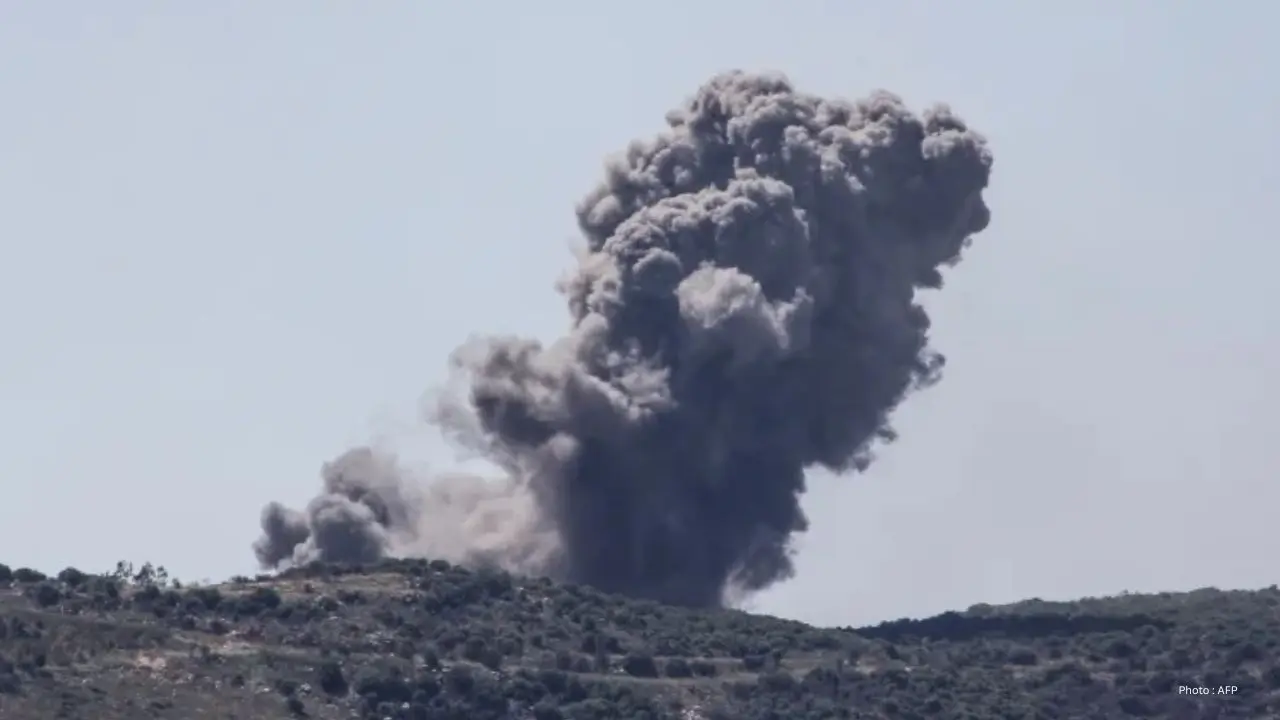
Israeli leaders contend that existing security threats necessitate military readiness and proactive defensive measures. They argue that armed factions and regional adversaries still present significant risks to national security, insisting that the continued military stance is crucial for safeguarding Israeli citizens. Government representatives have also endorsed recent military actions as an exercise of Israel's right to self-defense.
Simultaneously, international scrutiny of Israel has intensified. Numerous nations and humanitarian organizations are voicing alarm over civilian casualties, the devastation in conflict areas, and the increasingly dire humanitarian situation stemming from violence. Calls for restraint have intensified in recent weeks as global leaders advocate for diplomatic resolutions over extended military conflict.
Analysts argue that Israel's military and political options are becoming more complex due to an increasing reliance on international backing, particularly from the United States. Washington remains one of Israel's staunchest allies, yet American officials also face mounting pressure from global counterparts and domestic political factions advocating for a robust push toward peace and humanitarian safeguards.
Experts warn that Israel could encounter economic and strategic hurdles if the conflict escalates further. Extended military engagements may inflate defense expenditures, diminish investor confidence, disrupt regional commerce, and exert additional strain on the Israeli economy. Security analysts caution that a broader conflict could pull in various regional players, heightening instability across the Middle East.
The ceasefire negotiations are linked to wider dialogues related to regional security, hostage resolutions, humanitarian assistance, and diplomatic frameworks aimed at achieving lasting stability. International mediators, including Qatar, Egypt, and the United States, continue their efforts to facilitate communication among the involved parties in the conflict.
Political observers note that Israeli leadership is navigating several competing pressures simultaneously. On one front, hardline factions within the country are urging for more aggressive military action, while on another, international allies advocate for restraint and negotiations to avert a broader regional crisis.
The situation remains precarious, with diplomats warning that even minor incidents could swiftly escalate tensions once more. As ceasefire discussions proceed, many experts assert that the coming weeks will be pivotal in determining whether the region veers into wider conflict or returns to diplomatic negotiations.
This ongoing crisis has once again underscored the delicate security environment in the Middle East and the challenge of aligning military objectives with international diplomatic expectations. Global attention remains fixated on the forthcoming responses from Israel, the United States, and regional powers as the conflict unfolds.