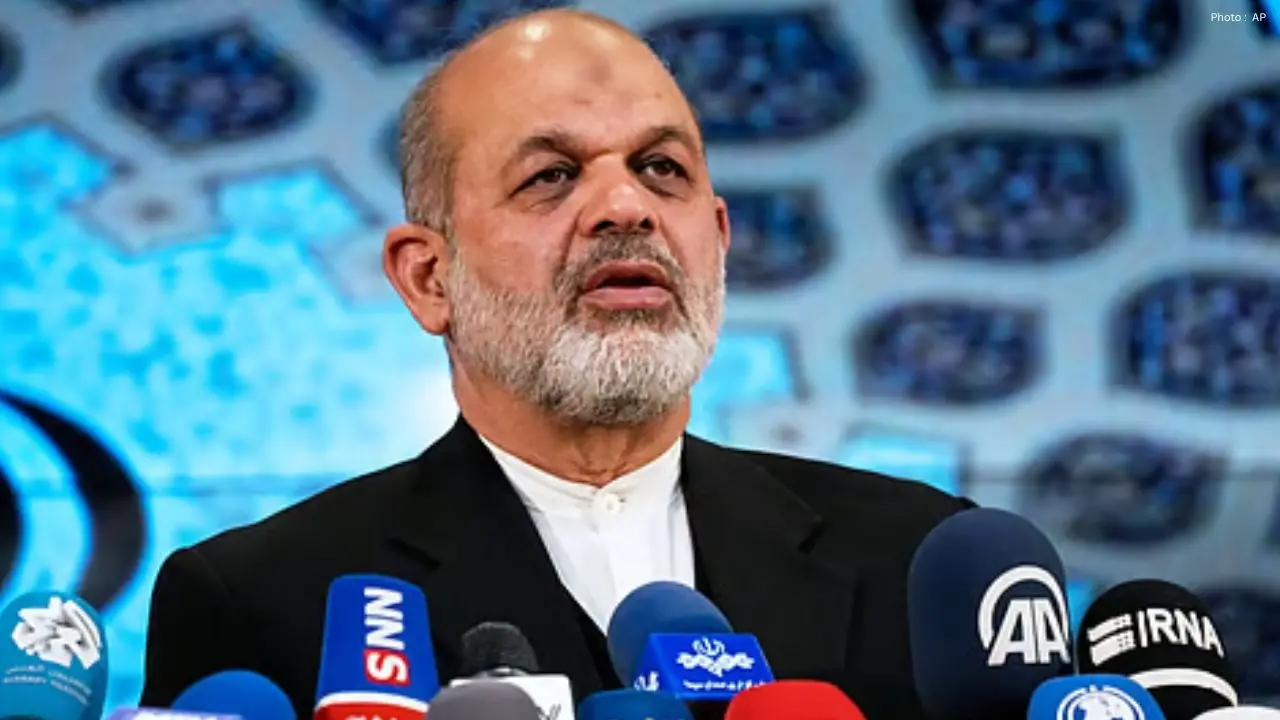
The Iranian foreign ministry recently announced that it has received perspectives from the United States and is now in the process of reviewing them. This announcement is significant in the realm of international relations, suggesting that some form of dialogue between the two nations persists.
Iran emphasized it will assess the U.S. positions in detail before offering any formal reply. While the specifics of the message remain undisclosed, officials in Tehran indicated that the evaluation is still in its preliminary stages.
This situation is crucial, considering the historically strained relations between Iran and the United States. Even minor diplomatic advancements are closely monitored by analysts, governments, and the media internationally.
The Iranian foreign ministry underscored its preference for thoughtful deliberation on sensitive international issues instead of hasty decisions. This indicates Tehran's intent to grasp the U.S. stance comprehensively before formulating a reaction.
Long-standing disagreements over sanctions, nuclear programs, and regional dominance have created barriers to direct negotiations. Nevertheless, indirect dialogues and message exchanges continue through various channels.
By stating that “Iran received U.S. views,” it suggests that a set of positions has been conveyed to Tehran, whether formally or informally. Although the details remain private, they likely connect to ongoing diplomatic efforts.
Iran’s choice to evaluate the message instead of responding immediately exemplifies a prudent diplomatic maneuver. Experts assert that such careful responses are customary in sensitive international discussions, where each remark and decision can significantly sway future relations.
Simultaneously, the U.S. is anticipated to monitor Iran's response closely. Tehran's forthcoming reply could greatly impact subsequent policy decisions or diplomatic tactics.
Currently, a clear timeline for Iran's response is not apparent, with officials stating the review is underway. This suggests that behind-the-scenes discussions may continue prior to any public declarations.
This recent development does not signal a resolution to the conflict, nor does it indicate a communications breakdown. Instead, it illustrates that channels for dialogue remain accessible, albeit limited and indirect.
The relationship between Iran and the U.S. has always been intricate. Over the years, both nations have confronted various disagreements, yet have managed to communicate through diplomatic channels to mitigate tensions and prevent escalation.
Experts suggest that such exchanges, however minor, are vital for sustaining stability, enabling both sides to comprehend each other's positions without direct confrontation.
In the forthcoming days, all eyes will be on whether Iran issues a formal response upon finalizing its review. A favorable reply could pave the way for further discussions, while a negative outlook may lead to enduring tensions.
For the moment, the essential takeaway is clear: Iran acknowledges receipt of U.S. views and is in the process of careful review, demonstrating that diplomacy remains alive between the two nations, albeit tentatively and slowly.