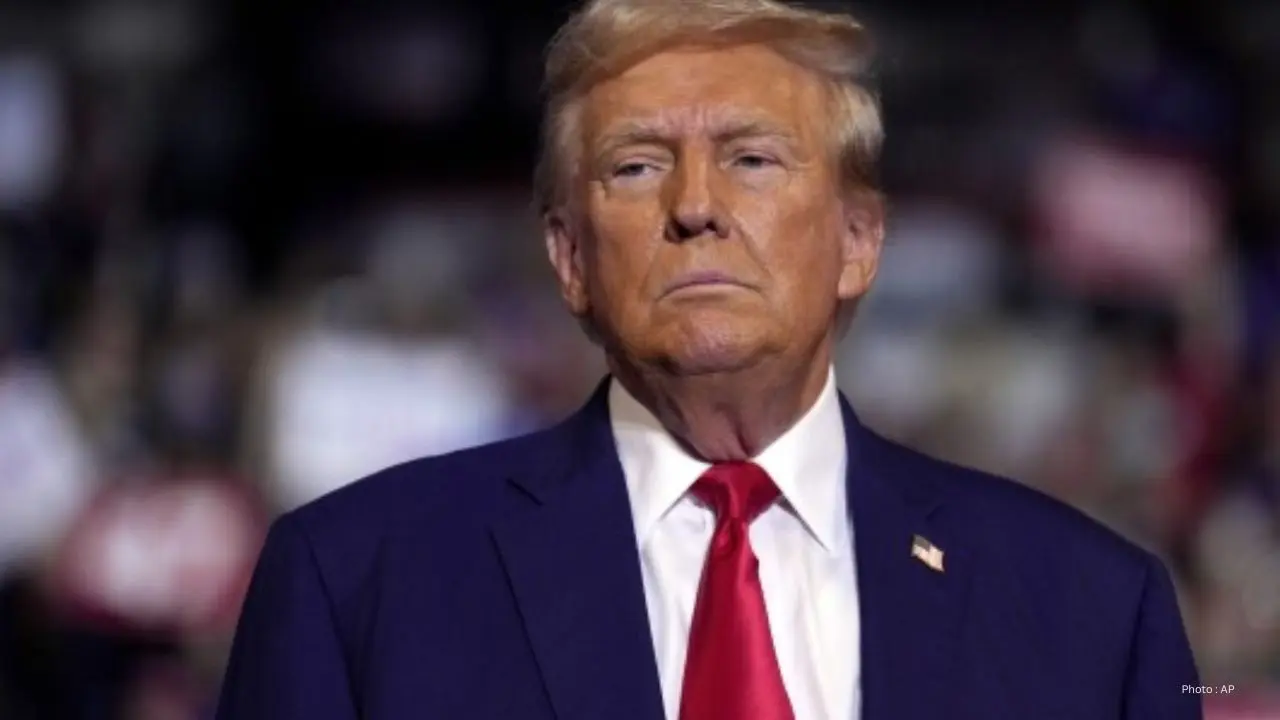
Iran has issued a powerful response to US President Donald Trump’s recent remarks regarding a potential agreement with Tehran. Iranian officials and state media referenced significant battles and historical events to underscore that the nation will not bow to pressure or intimidation during negotiations. This reaction follows Trump’s assertion that his administration is nearing a significant understanding with Iran concerning regional issues and the vital Strait of Hormuz.
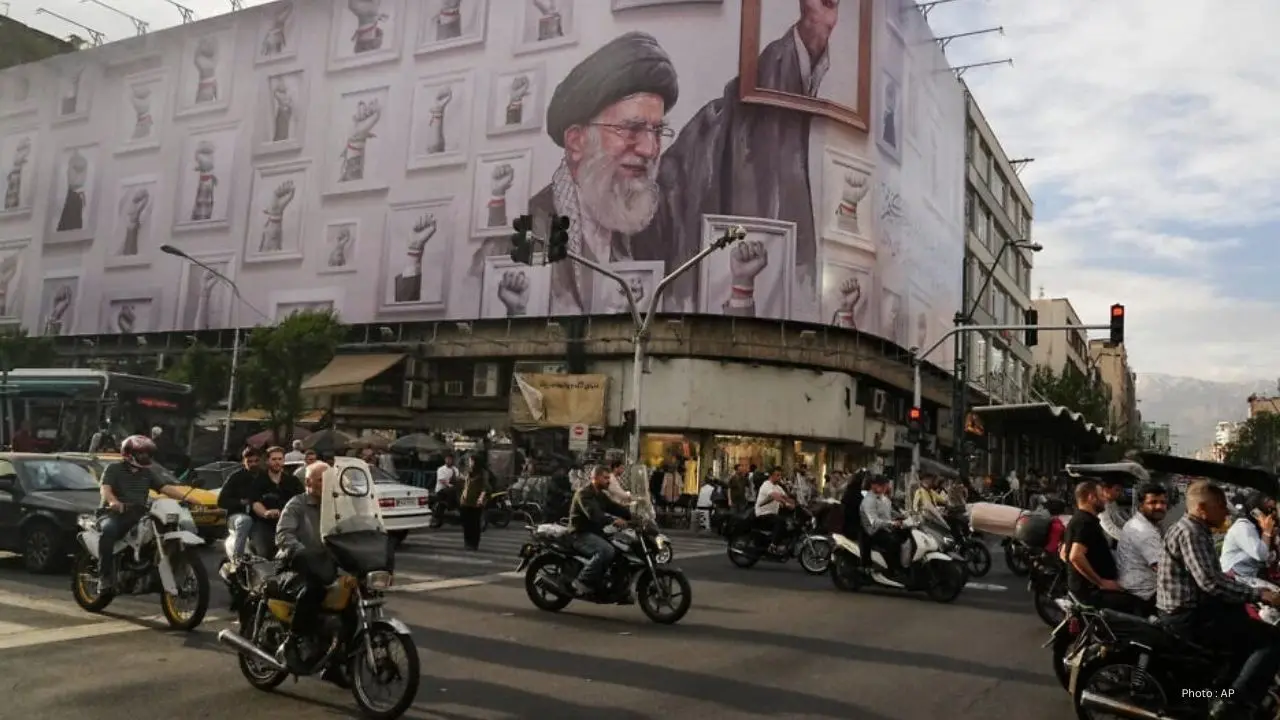
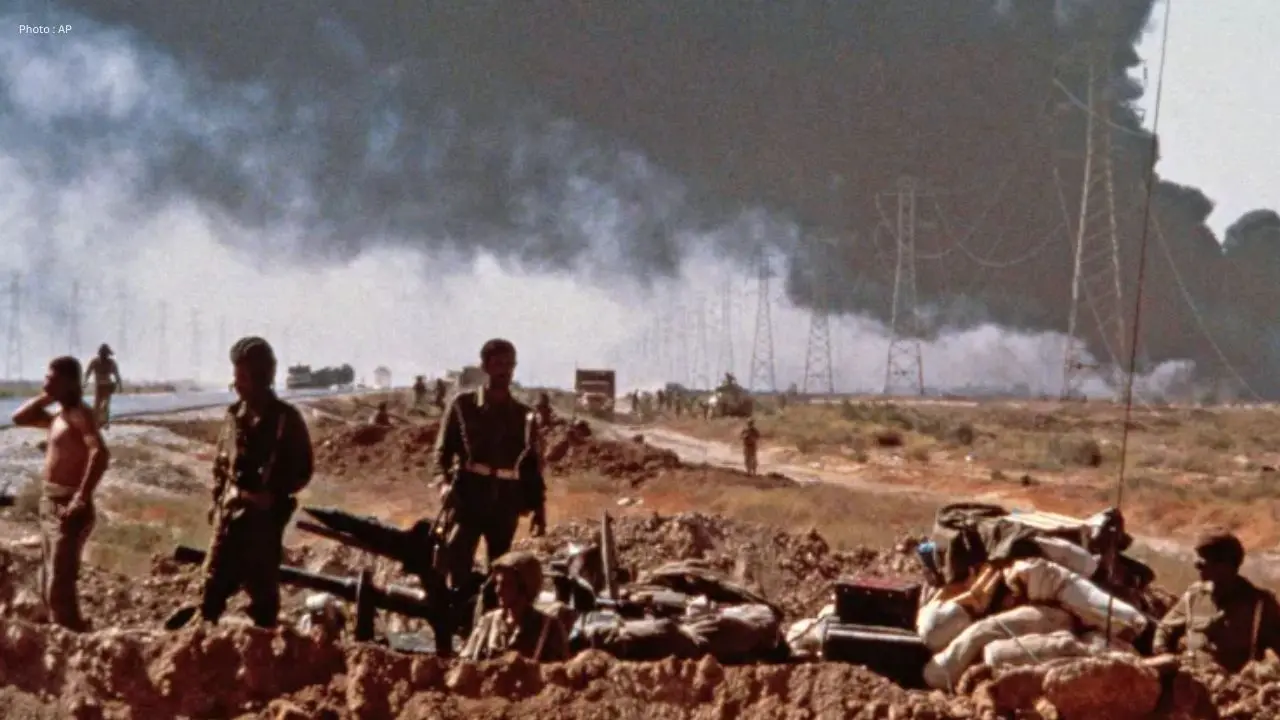
Reports from Iranian media suggest that officials invoked past conflicts to highlight the nation’s history of resisting foreign influence. They emphasized that Iran has consistently defended its sovereignty and national interests in the face of adversity. This statement appeared to counter Trump’s claims that a promising new deal could be finalized soon.
Trump recently indicated that the dialogues between the US and Iran had made notable strides towards establishing a peace framework. He noted that the crucial Strait of Hormuz could potentially be fully reopened if both nations reach a consensus. His comments drew significant attention as tensions between Iran, the US, and Israel have escalated in recent months against a backdrop of military confrontations, sanctions, and disagreements regarding Iran’s nuclear endeavors.
Nevertheless, Iran has expressed significant skepticism about Trump’s remarks. Iranian news outlets reported discrepancies between some of the president’s statements and the actual state of negotiations. Officials in Tehran emphasized that no formal agreement has been achieved, insisting that any terms must prioritize national sovereignty and security. They also reiterated a deep-seated mistrust of unexpected political pledges from Washington, citing historical instances where agreements failed or sanctions were imposed.
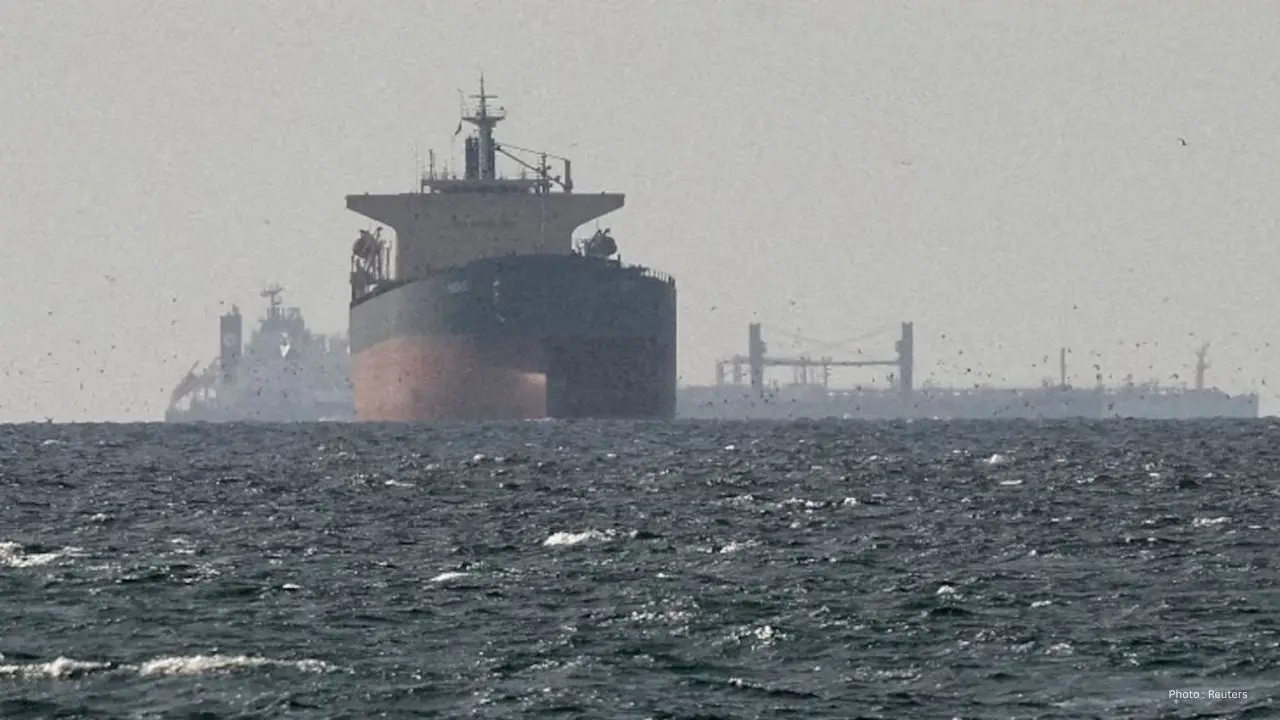
The ongoing discussions are believed to encompass topics such as sanction relief for Iran, mitigating military tensions regionally, and ensuring safer navigation through the Strait of Hormuz. Observers stress the importance of these negotiations given that the strait is a critical artery for global oil transport. Disruptions in this area could have far-reaching impacts on global oil prices and international commerce, prompting close scrutiny from neighboring Middle Eastern nations whose stability largely hinges on US-Iran relations.
Simultaneously, political fragmentation is intensifying within the United States regarding Trump’s diplomatic strategy towards Iran. Certain lawmakers and political entities have voiced concerns that any prospective agreement may excessively favor Iran without adequately addressing long-term security dilemmas. Conversely, a faction advocates for diplomacy to avert a broader regional conflict and to alleviate tensions affecting global markets and security.
Experts suggest that the latest exchanges between Tehran and Washington reveal the fraught and intricate nature of the negotiations. While both sides publicly entertain the notion of potential advancement, significant rifts remain regarding sanctions, military conduct, and Iran’s nuclear program. Analysts postulate that the historical anecdotes referenced by Iran aim to convey a message of resilience to both domestic and international observers during this pivotal negotiation phase.