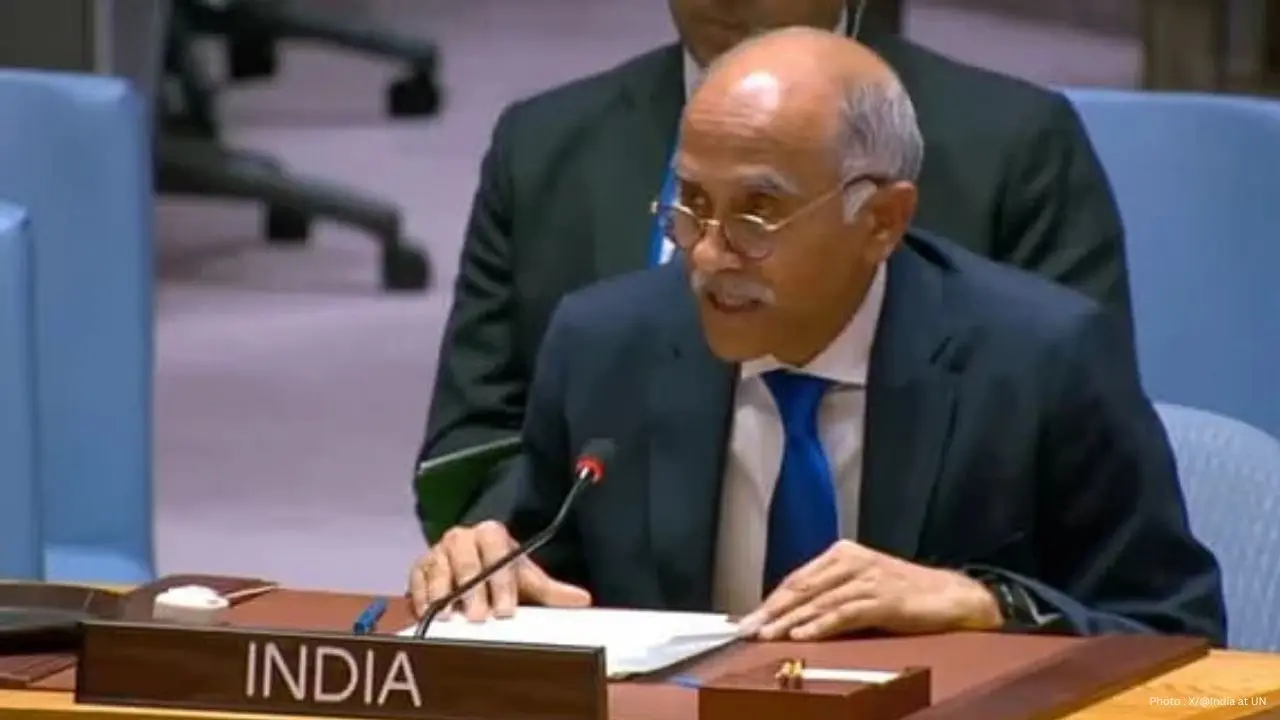
During a pivotal discussion at the United Nations, India vehemently criticized Pakistan for its so-called “heinous acts” of aggression, remarking that such behavior is unsurprising from a nation that has historically “bombed its own people.” These strong statements were delivered by India’s Permanent Representative at the UN, Ambassador Parvathaneni Harish, amidst a debate focused on global peace and security.
India charged Pakistan with perpetuating terrorism and engendering instability in the region while simultaneously portraying itself as a victim to the international community. In his address, Ambassador Harish outlined Pakistan’s long-standing issues with violence, extremism, and internal attacks. He emphasized that a nation conducting military campaigns against its own citizens is not in a position to advocate for peace or human rights.
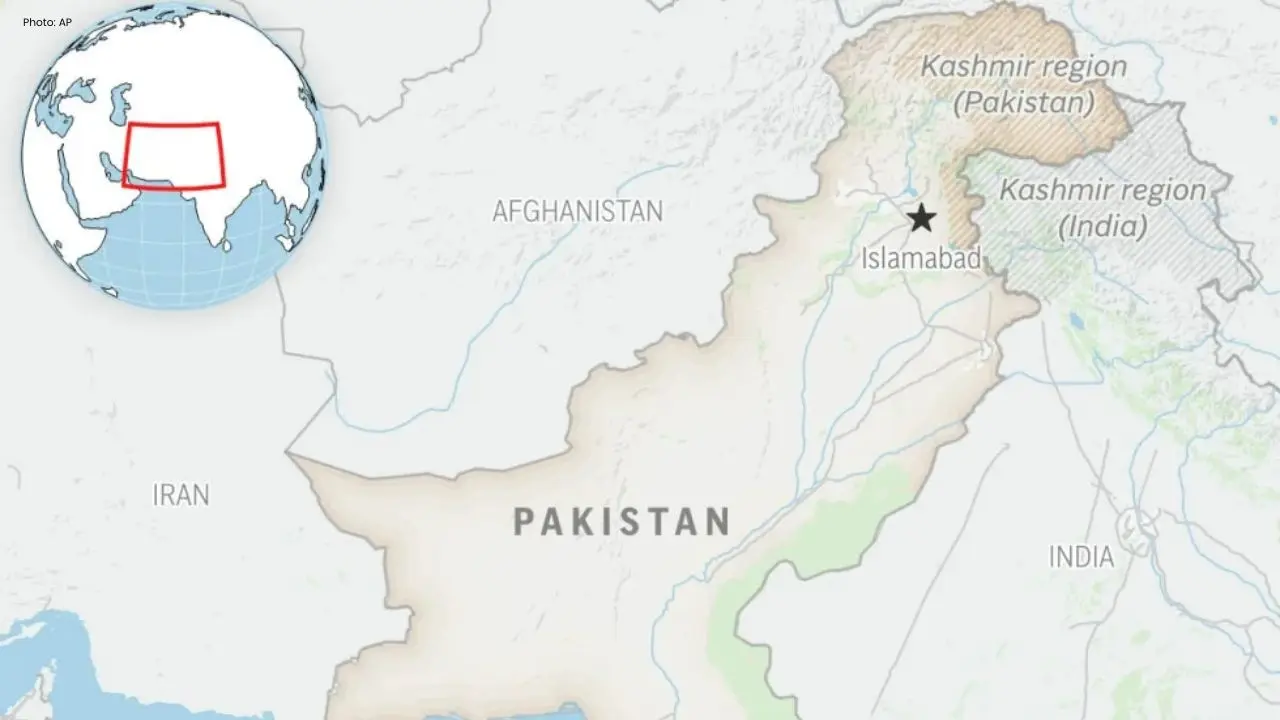
These remarks followed Pakistan’s concerns raised at the UN regarding heightened tensions and security challenges bordering Kashmir and cross-border conflicts. India firmly rejected Pakistan's assertions, reiterating that terrorism remains the most significant threat to peace in South Asia. New Delhi has consistently accused Islamabad of harboring and facilitating extremist factions that act against India.
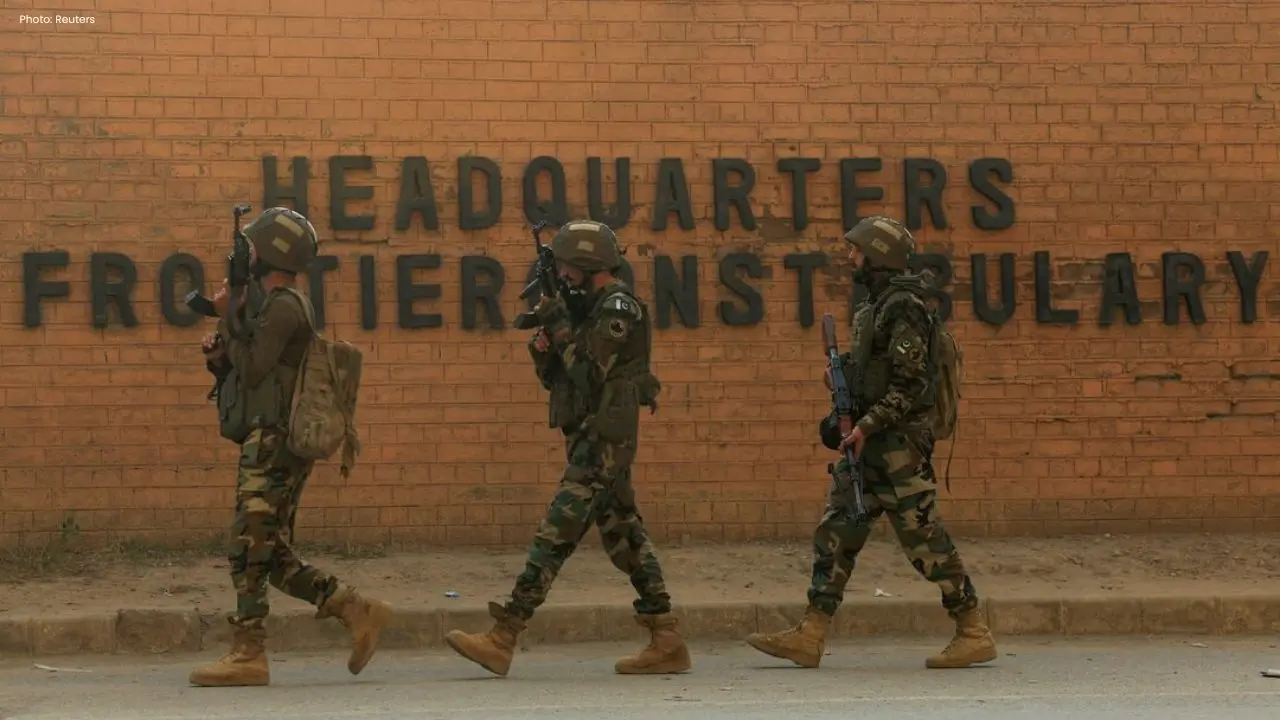
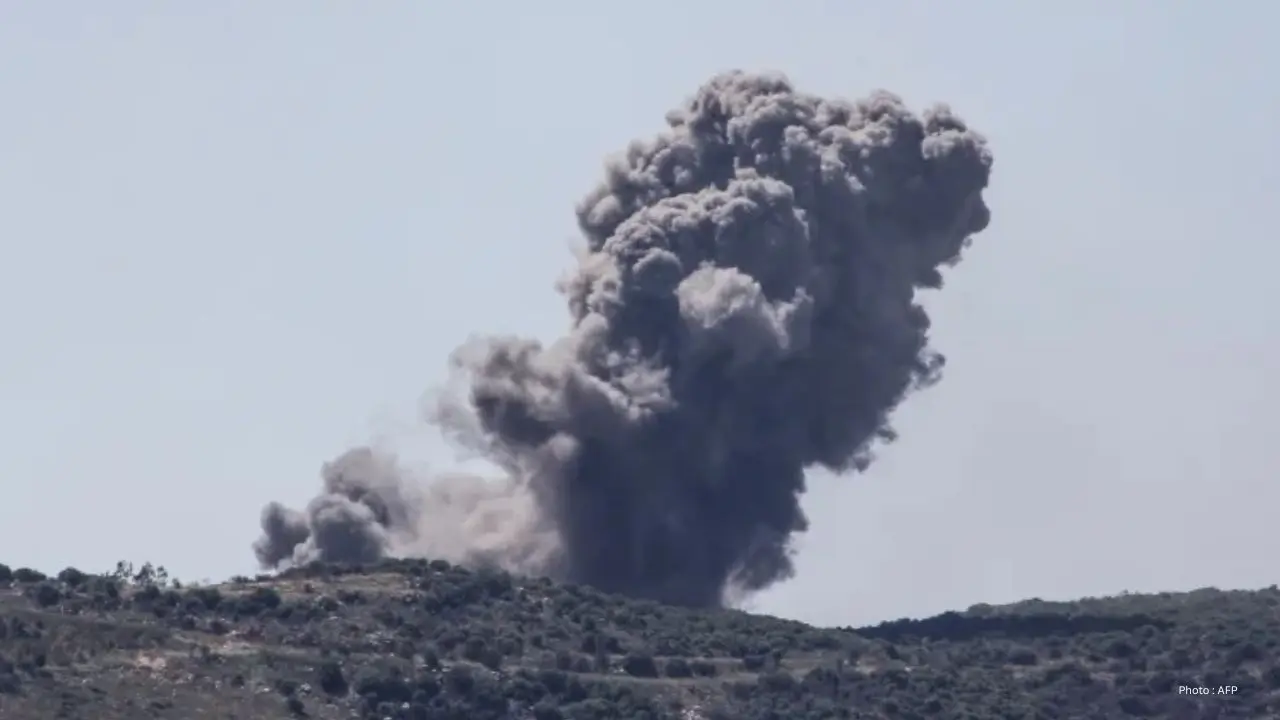
India also cited Pakistan’s military operations in regions such as Balochistan and Khyber Pakhtunkhwa, where local security forces have faced backlash due to airstrikes and military actions against insurgent and separatist groups. Indian officials contended that Pakistan cannot overlook its internal disputes while asserting criticism towards neighboring nations on international platforms.
This exchange underscores the ongoing strains between the two nuclear-armed rivals. India and Pakistan's relations have been fraught for decades over Kashmir, border security, terrorism, and diplomatic tensions. Recent military engagements and statements from both sides have further escalated tensions in the region.
Global observers indicate that both nations utilize international forums, including the United Nations, to affirm their positions and counter each other's narratives diplomatically. Despite numerous appeals from world powers for dialogue and peace in South Asia, the relationship between New Delhi and Islamabad remains highly volatile and politically charged.