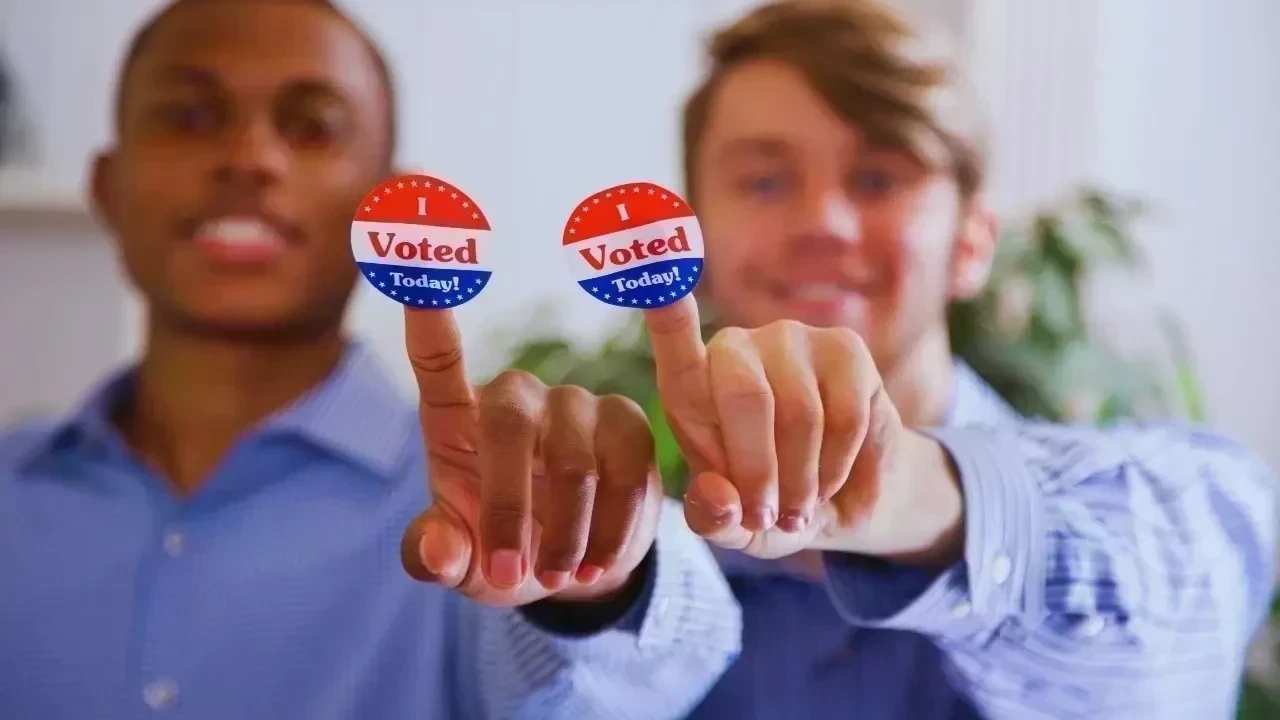
A Generation Commanding Attention
The impact of young voters on politics has long been a topic of discussion, but in 2026, the landscape has irrevocably changed. They are no longer mere demographic statistics in political dialogues; young individuals are key shapers of policy and election outcomes. Governments, once dismissive of their concerns, are now recalibrating their policies to reflect the priorities of this influential group.
This shift isn't just notable due to the sheer numbers of young voters, but also due to their unique engagement. Today's youth are well-informed, tech-savvy, and proactive. Their involvement transcends traditional voting, extending into digital campaigns, social movements, and ongoing advocacy, thereby reshaping policies on employment, education, and climate action.
Decoding the Youth Vote Today
Who Are Today’s Youth Voters?
In 2026, youth voters cover a wide spectrum; they include individuals from their late teens to early thirties, including students, young professionals, and entrepreneurs. Although their backgrounds vary, they unite over concerns like economic stability and social progression.
The experiences of today's youth—shaped by global crises and rapid technological advancements—have fostered a pragmatic political outlook that prioritizes practical solutions over mere ideology. Grasping this context is crucial to understanding their growing power.
Heightened Awareness and New Priorities
These young voters are acutely aware of how governmental choices affect their lives. With pressing issues such as housing costs and climate change at the forefront, they are demanding that politicians address these critical challenges through substantial actions rather than empty promises.
Harnessing Digital Tools for Political Engagement
Sparking Mobilization Through Social Media
Digital activism has emerged as a significant tool in the political toolkit of youth voters in 2026. Social media platforms serve as venues for political discussions, where young voters not only absorb content but also actively critique and shape narratives, ensuring their voices are heard.
This shift has prompted political leaders to engage with the public more transparently. Political policies are now subject to real-time scrutiny, making it risky for governments to overlook public sentiment driven by youth-led online discussions.
Transforming Online Engagement into Real-World Action
The engagement of youth does not stop at the click of a button. Online dialogues often lead to organized campaigns and influence voting behaviors. Youth tend to prioritize issues over party loyalty, driving political conversations to focus on accountability rather than personalities.
Youth-Driven Influence on Economic Policies
Job Security at the Heart of Youth Demands
Economic concerns are paramount for today’s youth. They are vocal in pushing for governmental attention on job security, advocating for not just job creation but meaningful positions with fair wages and growth potential.
In response, governments are increasingly focusing on vocational training and job-specific education reforms, recognizing the political ramifications of ignoring youth expectations for quality employment.
Pressing for Affordable Living Conditions
Housing affordability and the rising costs of living are critical issues for young voters. They challenge existing policies that seemingly favor older generations while neglecting the younger populace, sparking conversations around housing regulations and urban development.
Pushing for Educational Reforms
Demanding Relevant Learning Opportunities
Young voters are increasingly concerned about the disconnect between education and career opportunities. They want a shift toward practical education that prepares them for the realities of the job market, pushing for reforms that prioritize skill development and lifelong learning.
Calls for integrating practical training into educational curricula are rising, emphasizing the need for learning to be a continuous journey rather than a singular phase.
Education Affordability as a Central Issue
As educational costs soar, affordability becomes a pressing concern for youth voters urging for reforms that lower financial obstacles, viewing education as essential for economic progression.
Climate Action and Accountability
Climate Change – A Top Priority
For young voters, climate change is not merely an ideological battle; it’s an existential threat. They demand immediate actions from governments to mitigate environmental risks, embodying a sense of urgency.
Governments face increasing pressure to justify their decisions through the lens of long-term sustainability rather than short-term gain.
Youth Advocacy Shifting Policy Focus
The influence of youth-led advocacy is reshaping national priorities around climate initiatives, compelling leaders to present actionable and impactful plans rather than merely symbolic gestures.
Evolution of Political Communication
The Shift Away from Conventional Campaigning
Youth voters show little tolerance for traditional political discourse filled with grandiose promises. In 2026, the focus has shifted toward clear, transparent communication from leaders.
Politicians are adopting a more relatable tone, utilizing digital avenues to clarify policies and engage with the electorate, acknowledging the youth's preference for honesty and authenticity.
Expectations for Ongoing Accountability
Today's youth demand accountability beyond just election cycles; they expect ongoing engagement with policy decisions, contributing to a culture of transparency and responsiveness.
Youth Voting Trends and Impacts
Dynamic Voters Not Bound by Tradition
Unlike older generations, youth voters are not rigidly attached to parties. They are inclined to shift support based on relevance and responsiveness to their concerns, making them a significant electoral force.
Political parties are adapting by creating tailored policy messages that resonate with youth, enhancing competition in the electoral landscape.
Increasing Participation Rates
Youth voter engagement is on the rise, countering previous assumptions regarding apathy. Generating interest through critical issues and digital campaigns is making young voices relevant in elections.
Challenges Facing Youth Influence
Understanding Diversity Within Youth
While united by common issues, youth voters are diverse in their perspectives, shaped by different backgrounds and experiences. Policymakers must consider these nuances to effectively address their needs.
Avoiding Disillusionment
If genuine demands are met with empty rhetoric, disillusionment can swiftly take root. Sustainable engagement necessitates real progress rather than symbolic gestures.
Conclusion: Transformative Political Engagement
The role of youth voters in 2026 signifies a lasting alteration in political paradigms. Their combined efforts in digital engagement and advocacy have transformed the relationship between the governed and those in power. As governments increasingly face scrutiny based on long-term impacts, adapting to this new reality will determine their future relevance.
This generation’s political acumen is likely to deepen, ensuring that youth not only influence policies but redefine governance itself.
Disclaimer:
This article aims to provide a comprehensive overview of current political trends and does not advocate for any specific political party or policy.