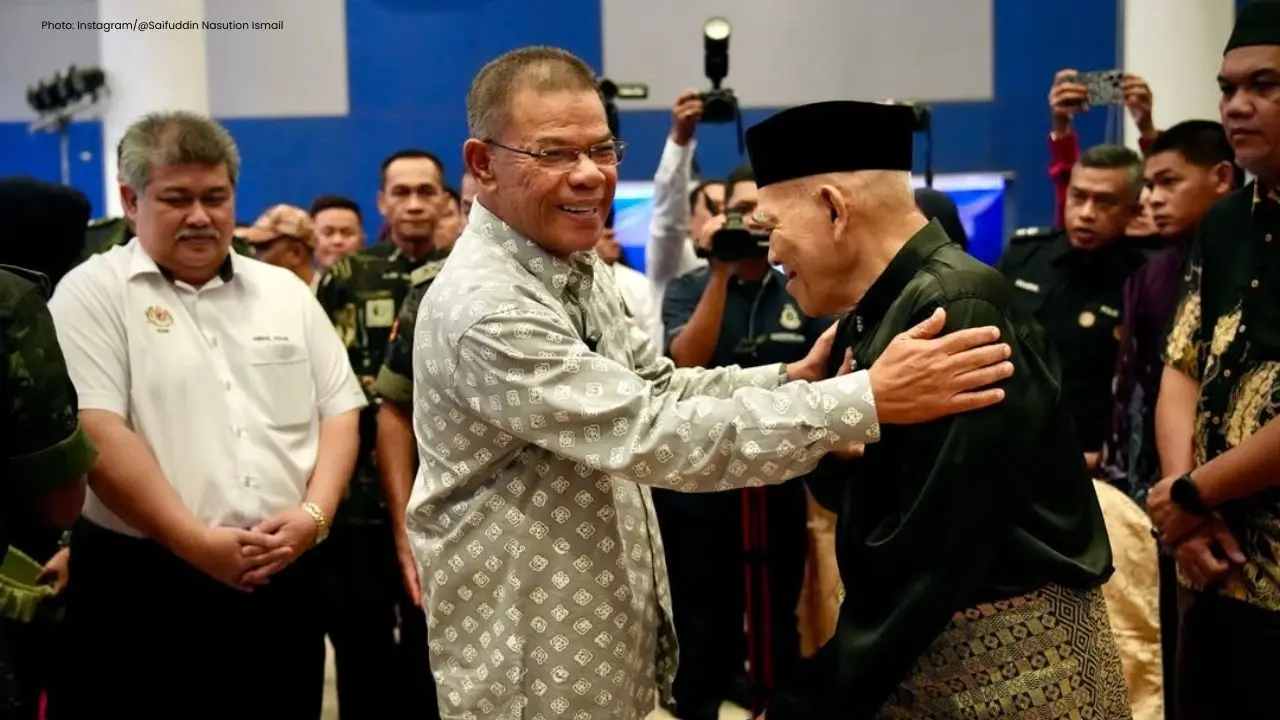
Datuk Seri Saifuddin Nasution Ismail, Malaysia’s Home Minister, has firmly rejected claims that he improperly granted citizenship to Chinese nationals, branding these allegations as fabrications aimed at sowing discord and stirring public outrage. He indicated that such allegations are part of a persistent tide of misinformation that has circulated despite earlier government clarifications.
In a statement posted on social media, Saifuddin Nasution highlighted that the citizenship granting process is meticulously regulated by the Federal Constitution and national legislation. He pointed out that every citizenship request undergoes rigorous background investigations, legal assessments, and security vetting before any sanctioning occurs. According to the minister, no citizenship approvals are issued without adhering to established legal frameworks, and none are based on political expediency.
The minister noted that he has consistently addressed similar accusations in parliamentary sessions and media discussions. He mentioned that the government has offered abundant information and factual data about citizenship approvals, yet deceptive flyers and social media posts persist in propagating misinformation. Some content even reflects sensitive issues linked to religion, race, and royalty, commonly referenced in Malaysia as the “3R” concerns, which can incite social strife and jeopardize national harmony.
Saifuddin Nasution cautioned Malaysians against believing unverified online claims and urged them to obtain information from legitimate and official sources. He stressed that the proliferation of fake news and defamatory content could erode public confidence and instigate unwarranted anxiety at a time when Malaysia is grappling with economic and global challenges. He described the dissemination of false political propaganda during times of economic turmoil as not only irresponsible but detrimental to the nation.
The Home Minister additionally called upon those disseminating these allegations to cease their activities immediately. He characterized such behavior as unethical and a potential threat to the nation’s stability and unity. He asserted that the government is concentrating on critical national matters, including escalating living expenses, supply chain pressures, and economic recovery efforts, and that attention should not be diverted by baseless political claims.
Political analysts in Malaysia suggest that this matter may influence broader discussions regarding citizenship policies, immigration, and national identity as political landscapes evolve. With Malaysia’s ethnically and religiously diverse population, issues surrounding citizenship approvals have traditionally been sensitive. Experts warn that misinformation related to race and nationality can spread rapidly online and foster discord if not swiftly managed by authorities.
In response to the growing threat of fake news and misinformation that could undermine public order or racial harmony, the Malaysian government has recently amplified its initiatives. Authorities continue to advise citizens to verify information prior to sharing and to refrain from disseminating unconfirmed assertions. The Home Ministry reiterated that matters concerning citizenship are strictly monitored under legal mandates and that every application is scrutinized in line with constitutional requirements and national security priorities.