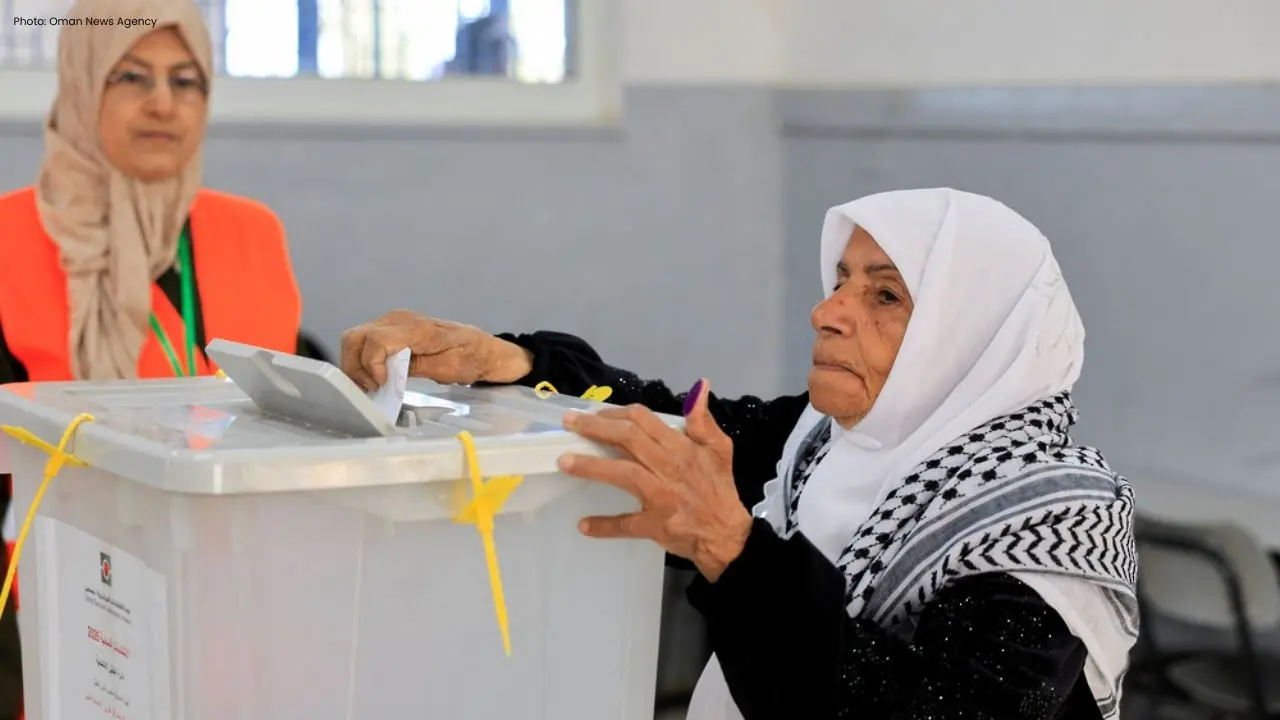
Palestinians commenced voting in their first municipal elections across the West Bank and select regions of the Gaza Strip since the conflict escalated. This electoral event underscores the significance of preserving democratic practices in the face of adversity and instability.
As reported by the Central Election Commission in Ramallah, about 1.5 million eligible voters are casting their ballots in the West Bank, alongside roughly 70,000 voters from the Deir al-Balah region in Gaza. Despite challenges regarding logistics and security, efforts are being made to keep polling stations functional and accessible to voters.
Candidates hail from various political factions, showcasing the diverse political fabric within Palestine. Many municipalities feature candidates from different political parties, including those representing the Popular Front for the Liberation of Palestine, emphasizing the competitive political climate and efforts to bolster influence locally.
Organizing these elections amidst current circumstances demanded thorough planning and collaboration. Election authorities have implemented measures to uphold transparency, fairness, and integrity in the voting process. Monitoring systems are in place, ensuring swift responses to any disruptions, thus maintaining public trust.
UN coordinator Ramiz Alakbarov commended the electoral commission's efforts, deeming the process credible despite ongoing difficulties. He underscored the importance of conducting elections in such challenging times as a testament to commitment to democratic governance.
These elections stand as a rare chance for citizens to assert their democratic rights during a time when normal political functions are hindered. Local governance participation is crucial for meeting community needs and fostering civic engagement.
Furthermore, the elections aim to bolster democratic principles and public confidence in institutions. By allowing citizens to select their representatives, it instills stability and continuity, even amid tumult.
The results from these municipal elections will significantly influence local decision-making, especially concerning infrastructure, public services, and community development, while signaling resilience and the potential for ongoing democratic engagement.