Healthy Habits That Actually Stick: How to Stop Thinking in “All or Nothing”
In today’s busy world, we often hear advice like “eat healthy,” “exercise every day,” or “stick to a strict routine.” These words sound motivating, but many people find it hard to follow them for a long time. The main reason is the “all or nothing” way of thinking. This mindset tells us that if we can’t do something perfectly, it’s not worth doing at all.
For example, if you skip one day of exercise, you might feel like giving up entirely. Or if you eat a piece of cake, you might think your diet is ruined. This kind of thinking can make us feel frustrated, guilty, and even hopeless. As a result, many people stop trying to build healthy habits.
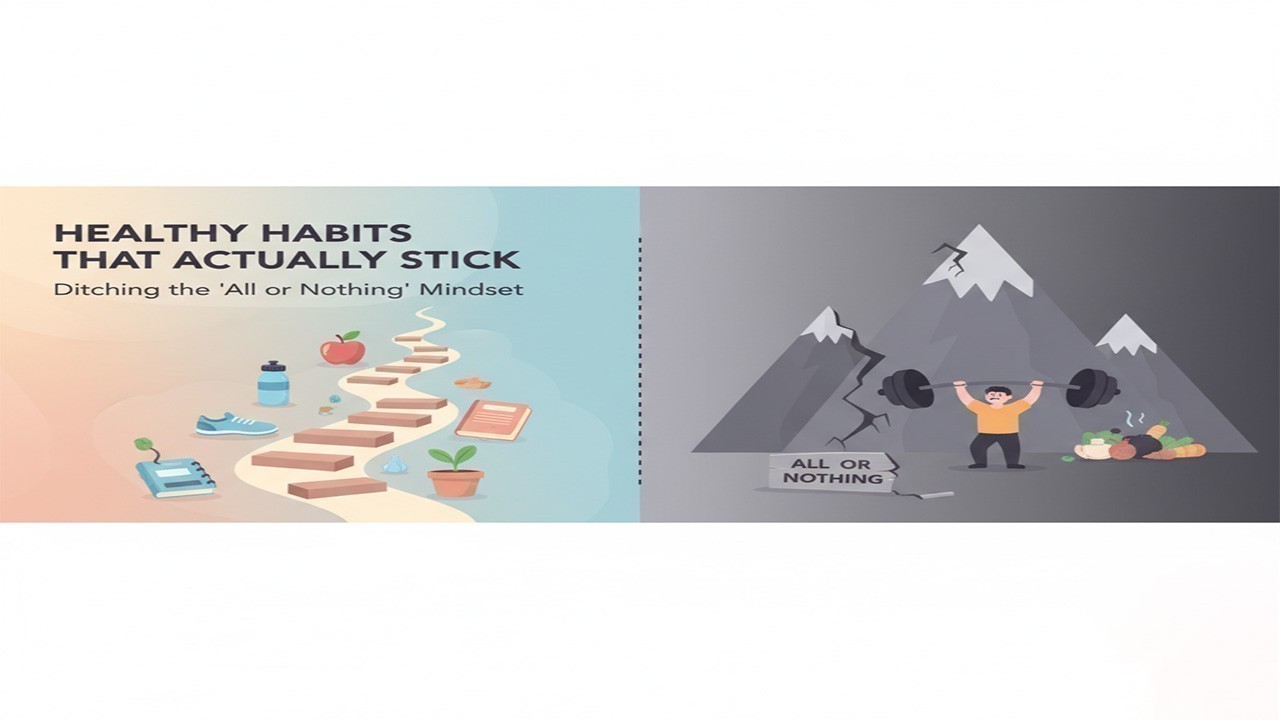
The good news is, healthy habits do not have to be perfect to make a real difference. Small, steady actions are often more effective than trying to change everything at once. By making small improvements and being consistent, anyone can create habits that last for life.
What Is the “All or Nothing” Mindset?
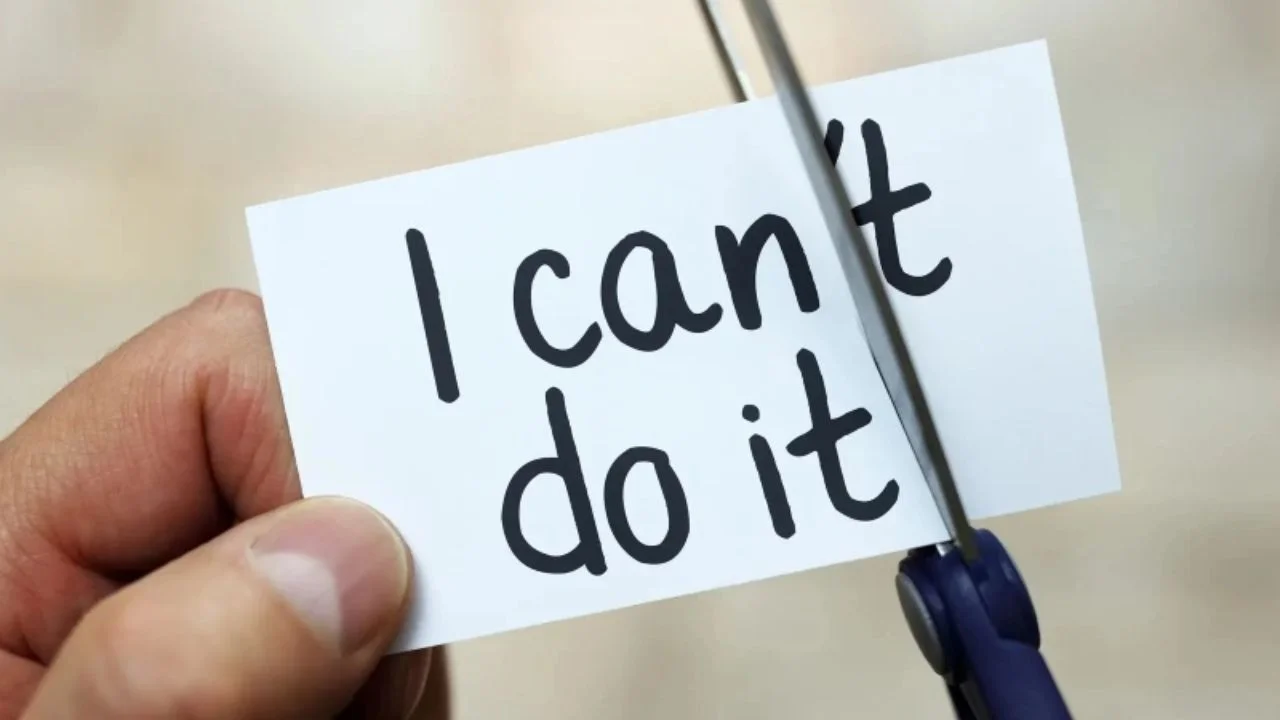
The “all or nothing” mindset is the belief that success comes only if we do everything perfectly. Missing one day of a workout, one meal, or one healthy choice can feel like a total failure. While this might seem like a motivator at first, it often backfires.
Experts say this mindset can increase stress and make people feel like they are failing. When we expect too much from ourselves, even a small mistake can feel like a big setback. Instead of feeling proud of what we accomplish, we end up feeling guilty or frustrated. This is why many people give up on healthy habits completely.
To break free from this mindset, we need to focus on progress, not perfection. Even small steps forward are important. Every tiny improvement counts and adds up over time.
Why Small Changes Work Better
Research shows that small, simple changes are easier to keep up with than drastic, sudden changes. When we try to completely change our lifestyle overnight, it often feels overwhelming, and we may fail. Gradual changes, on the other hand, are more realistic and easier to follow.
Here are some small changes that can make a big difference:
-
Drink one extra glass of water every day: Staying hydrated keeps your energy up, helps digestion, and supports overall health.
-
Add a short walk to your daily routine: Even a five-minute walk can improve circulation, boost mood, and reduce stress.
-
Swap one sugary snack for a healthy one: Replacing a cookie or candy with a fruit or nut reduces sugar intake without making you feel deprived.
The great thing about small habits is that they grow over time. A small action today can become a big improvement in the future. After weeks and months, these small steps can lead to noticeable results, making you feel confident and motivated.
How to Build Habits That Last
Creating habits that stick requires more than just motivation. It also needs planning and smart strategies. Here are some tips that really help:
1. Start Small
Don’t try to change everything at once. Begin with one or two small habits that you can manage. Once these become part of your routine, you can add more gradually.
2. Focus on Consistency, Not Perfection
Doing a little every day is better than doing a lot only once in a while. For example, exercising for 10 minutes daily is more effective than doing an hour-long workout only once a week. Making habits a regular part of your day is more important than being perfect every time.
3. Celebrate Small Wins
Even tiny progress matters. Did you drink enough water today? Did you take a short walk? Did you eat a healthy snack instead of junk food? Celebrate these victories. Recognizing small wins keeps you motivated and reinforces your good habits.
4. Make Habits Fun
We are more likely to continue doing things we enjoy. If you dislike running, try dancing, swimming, yoga, or even cycling. When you enjoy what you do, habits become easier to stick with.
5. Plan for Setbacks
Everyone makes mistakes. Skipping a workout or eating an extra treat does not mean you have failed. Accept that setbacks happen, learn from them, and keep moving forward. This builds resilience and helps habits last longer.
6. Keep Track of Your Progress
Writing down your habits in a journal or using an app helps you see how far you’ve come. Tracking small achievements gives you a sense of accomplishment and encourages you to continue.
Focus on Progress, Not Perfection
The key to lasting habits is changing your mindset. Instead of asking, “Can I do this perfectly?” ask, “Can I do this today?” This small shift reduces stress and helps you feel good about what you are doing. Missing a day does not erase all your effort. Small, steady improvements are easier to maintain than trying to be perfect all the time.
Long-Term Benefits of Sustainable Habits
Building habits gradually and focusing on progress has many long-term benefits:
-
Better Physical Health: Regular, manageable habits improve heart health, maintain weight, and increase energy.
-
Improved Mental Health: Reducing stress and guilt enhances mood and confidence.
-
Stronger Resilience: Learning to deal with setbacks strengthens willpower and persistence.
-
Lifelong Lifestyle Changes: Enjoyable habits are more likely to continue for years, leading to a healthier life.
Remember, health is not about perfection; it is a journey. Small, consistent steps every day add up to big improvements over time.
Healthy habits do not have to be perfect. By letting go of the “all or nothing” mindset, celebrating small achievements, and focusing on gradual progress, anyone can build habits that last a lifetime. Start small, stay consistent, and remember that every tiny step matters. Over time, these small actions will lead to a healthier, happier, and more balanced life.
Disclaimer
The content in this article by DXB News Network is for educational purposes only and does not constitute professional medical or health advice. Readers are encouraged to consult certified health professionals before making significant lifestyle, dietary, or exercise changes.