Each year, millions of muslims from around the world gather in the Kingdom of Saudi Arabia for one of the most profound spiritual journeys in Islam: Hajj. It is not simply a journey of distance, but a journey of faith, reflection, unity, and renewal. As preparations build for the 2026 Hajj season, the scale, organization, and care behind this sacred event continue to evolve in remarkable ways.
The Spiritual Significance of Hajj
Hajj is one of the five pillars of Islam, making it a once-in-a-lifetime obligation for Muslims who are physically and financially able. The pilgrimage takes place in and around the holy city of Mecca, drawing people from every corner of the globe. Regardless of language, nationality, or background, pilgrims wear simple white garments, symbolizing equality and humility before God. This powerful image of unity remains one of the defining features of Hajj.
But behind this spiritual gathering lies one of the largest logistical operations in the world. Managing millions of people over a short period requires careful planning, advanced infrastructure, and seamless coordination. For 2026, Saudi Arabia is intensifying its preparations to ensure that the pilgrimage is not only spiritually fulfilling, but also safe, comfortable, and efficient.
Massive Infrastructure and Transportation Upgrades
One of the most important aspects of Hajj preparation is infrastructure. Over the years, Saudi Arabia has invested heavily in expanding and modernizing key sites. The Grand Mosque in Mecca continues to undergo enhancements to accommodate growing numbers of pilgrims. Transportation networks, including high-speed trains and expanded road systems, are being optimized to handle the massive flow of people between holy sites such as Mina, Arafat, and Muzdalifah.
The Haramain High Speed Railway plays a crucial role in this system. It allows pilgrims to travel quickly and safely between major cities, reducing congestion and improving overall mobility. For the 2026 season, efforts are focused on increasing capacity, improving scheduling, and ensuring smooth operations during peak times.
Technology, Health, and Crowd Management Innovations
Technology is also transforming the Hajj experience. Digital platforms are being used to manage registrations, issue permits, and provide real-time updates to pilgrims. Mobile applications help guide individuals through rituals, offer navigation assistance, and deliver important alerts. These tools are designed to reduce confusion and enhance safety, especially for first-time pilgrims.
Health and safety remain top priorities. With such a large gathering of people, careful planning is essential to prevent health risks. Saudi authorities are working closely with international organizations to implement health protocols, provide medical services, and ensure rapid response capabilities. Hospitals and clinics are strategically located, staffed with multilingual professionals ready to assist pilgrims from diverse backgrounds.
Crowd management is another critical area. Advanced monitoring systems, including surveillance and data analysis, are used to track movement and prevent overcrowding. Trained personnel are deployed throughout the pilgrimage sites to guide pilgrims and maintain order. For 2026, these systems are being further refined, incorporating artificial intelligence to predict and manage crowd flow more effectively.
Sustainability, Services, and the Future of Hajj
Sustainability is becoming an increasingly important focus. With millions of people gathering in one place, the environmental impact can be significant. Saudi Arabia is introducing initiatives to reduce waste, promote recycling, and improve energy efficiency. From eco-friendly transportation to sustainable facilities, the goal is to make Hajj more environmentally responsible without compromising the experience.
Another key element of preparation is accommodation. Pilgrims stay in a variety of facilities, from hotels in Mecca to tent cities in Mina. These accommodations are being upgraded to provide better comfort, safety, and accessibility. Air conditioning, improved sanitation, and modern amenities are now standard features, helping pilgrims focus on their spiritual journey.
The role of volunteers and service workers cannot be overstated. Thousands of individuals dedicate their time to assisting pilgrims, offering guidance, and ensuring smooth operations. Their efforts reflect the spirit of hospitality and service that defines Hajj. For 2026, training programs are being expanded to equip workers with the skills needed to handle diverse situations and provide high-quality service.
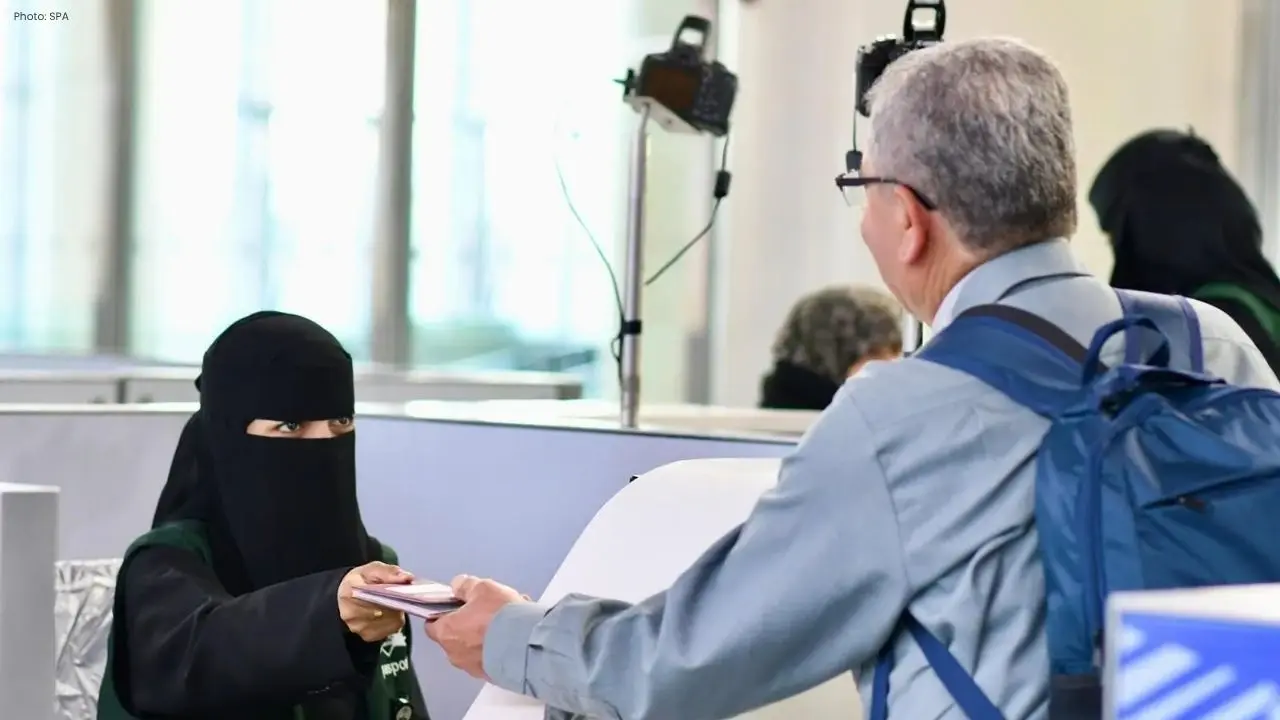
International coordination is also essential. Pilgrims travel from nearly every country, requiring close collaboration between Saudi authorities and governments worldwide. Visa processes, travel arrangements, and health requirements must be carefully managed. For the upcoming season, improvements in digital systems are expected to streamline these processes, making it easier for pilgrims to prepare for their journey.
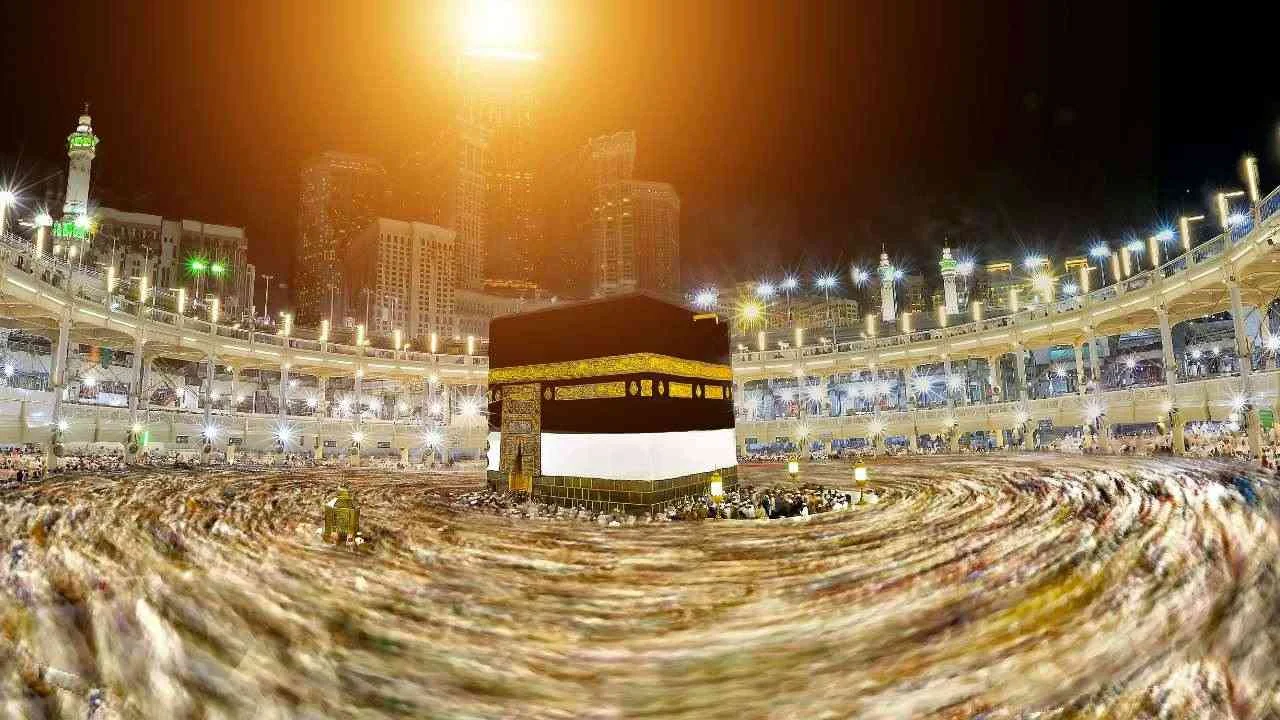
Beyond logistics, Hajj remains a deeply personal and spiritual experience. Pilgrims perform a series of rituals that trace the footsteps of Prophet Ibrahim (Abraham) and his family. These include the Tawaf (circling the Kaaba), the Sa’i (walking between Safa and Marwah), standing at Arafat, and the symbolic stoning of the devil. Each ritual carries profound meaning, encouraging reflection, patience, and devotion. The emotional impact of Hajj is often described as life-changing. For many, it is a moment of clarity and renewal—a chance to seek forgiveness, strengthen faith, and reconnect with purpose. The shared experience of millions performing the same rituals creates a powerful sense of unity that transcends differences.
As Saudi Arabia prepares for the 2026 Hajj, there is a strong emphasis on enhancing this spiritual journey while maintaining the highest standards of organization and care. The combination of tradition and innovation is key. While the rituals themselves remain unchanged, the way they are supported continues to evolve.
Conclusion: A Timeless Journey in a Modern World
Looking ahead, the future of Hajj is likely to be shaped by continued advancements in technology and infrastructure. Smart systems, data-driven planning, and sustainable practices will play an even greater role. These developments aim to ensure that Hajj can accommodate growing numbers of pilgrims while preserving its sacred essence. At the heart of it all is a simple yet powerful goal: to make the journey as meaningful and accessible as possible. Every improvement, every innovation, and every effort is ultimately focused on serving the pilgrims and supporting their spiritual experience.
The story of Hajj is one of faith, unity, and human connection. It is a reminder that despite differences, people can come together with a shared purpose and a shared sense of devotion. As the world looks toward the 2026 season, that message remains as strong as ever.
In a rapidly changing world, Hajj stands as a constant—a timeless tradition that continues to inspire millions. And with each passing year, the preparations behind it reflect a commitment not only to excellence, but to the values that define the pilgrimage itself: humility, compassion, and unity.