2026: A Pivotal Year for Tech
Rather than abrupt transformations, technology progresses through subtle yet significant changes that reshape how we live and interact. The year 2026 stands out as a key moment in this evolution. Following years of fast-paced trials, various emerging technologies are transitioning from being mere novelties to essentials in our daily activities. Artificial intelligence is now integral to our lives, smart devices are seamlessly integrating into routines, and the importance of digital ethics is increasingly recognized alongside innovation.
This year's tech landscape is characterized by convergence—multiple technologies advancing simultaneously and influencing one another. AI stimulates creativity, hardware evolves to match human behaviors, software is geared towards prediction rather than reaction, and sustainability is now a design principle rather than an afterthought.
This article dives into the 11 key tech trends for 2026, detailing not just their existence, but their significance and the ways they'll influence industries, lifestyles, and priorities worldwide.
1. AI Transitions from Tool to Teammate
Collaborative AI Takes Center Stage
In 2026, artificial intelligence evolves beyond basic functionalities. Instead of merely assisting, AI systems become collaborators, offering insights and strategies. These tools now maintain context, understand user preferences, and provide proactive recommendations.
Within workplaces, AI acts as an strategic aide, summarizing discussions, predicting outcomes, and suggesting subsequent actions. For individuals, AI stimulates informed decisions across areas like health and finance.
Importance of This Shift
The evolution from AI as a mere tool to a collaborative partner significantly boosts productivity. This transition fosters informed decision-making, though it raises challenges related to trust, dependence, and accountability.
2. Rise of Autonomous AI Agents
Independently Functioning Software
A defining trend in 2026 is the emergence of AI agents, systems capable of executing complex tasks without continual human oversight. These agents manage bookings, negotiate deals, and oversee workflows.
In business contexts, AI agents handle customer interactions and inventory tasks. In personal life, they serve as smart assistants, organizing calendars and long-term aspirations.
Significant Shift in Computing
This change signifies a move away from “command-driven” to goal-oriented computing, where users focus on defining their aims rather than instructing how to achieve them.
3. Human-Centric Hardware Design
Tech Aligns with Human Experience
In 2026, hardware innovation becomes increasingly human-centric. Devices interact based on voice, gestures, and environmental factors, reducing reliance on rigid commands. Smart wearables and ambient tech integrate seamlessly into daily life.
Instead of revolving around smartphones, technology is dispersed through various interfaces—ears, wrists, homes, and vehicles.
Daily Life Enhancements
This trend minimizes digital fatigue and makes technology feel less intrusive while enhancing user experience.
4. Ambient Computing Grows Quietly
Invisible Technology at Work
Ambient computing refers to systems that quietly operate in the background, foreseeing user needs without being obtrusive. Homes will automatically adjust conditions, while workplaces will streamline processes based on activity trends.
This promotes calm technology—design that respects user concentration and minimizes distractions.
Significance of This Approach
Amid rising concerns of digital fatigue, ambient computing offers a route to benefit from technology without feeling overwhelmed.
5. Emphasis on Privacy-First Technology
Demand for Data Control
2026 sees an important shift towards privacy-oriented technology, with users increasingly seeking transparency and control over their personal data.
New systems will focus on on-device processing, secure communication, and minimal data collection.
Implications for the Global Community
Failure to address digital trust by governments and businesses may lead to eroded public confidence. Privacy is evolving into a standard expectation rather than an added feature.
6. Sustainable Tech Becomes the Norm
Embedding Sustainability in Design
In 2026, sustainability is no longer an option. The use of energy-efficient components, recyclable materials, and environmentally-conscious designs is rising.
Tech firms will take responsibility for their products throughout their lifecycle—from sourcing to disposal.
Why This Trend Matters
With increasing pressure from consumers, legislators, and investors, a drive for measurable environmental accountability is reshaping innovation.
7. Creator Economy Transforms into Formal Businesses
Creators as Business Entities
In 2026, content creators evolve from casual freelancers to full-fledged enterprises leveraging AI tools, analytics, and automation. Areas like video production, music creation, and design are increasingly facilitated by intelligent systems.
Monetization strategies are shifting from volume to value, rewarding creativity and engagement over mere reach.
Cultural Reflections
This evolution alters storytelling methods, the voices behind them, and how audiences interact with narratives globally.
8. Practical Use Cases for Spatial Computing
Augmented Reality Beyond Entertainment
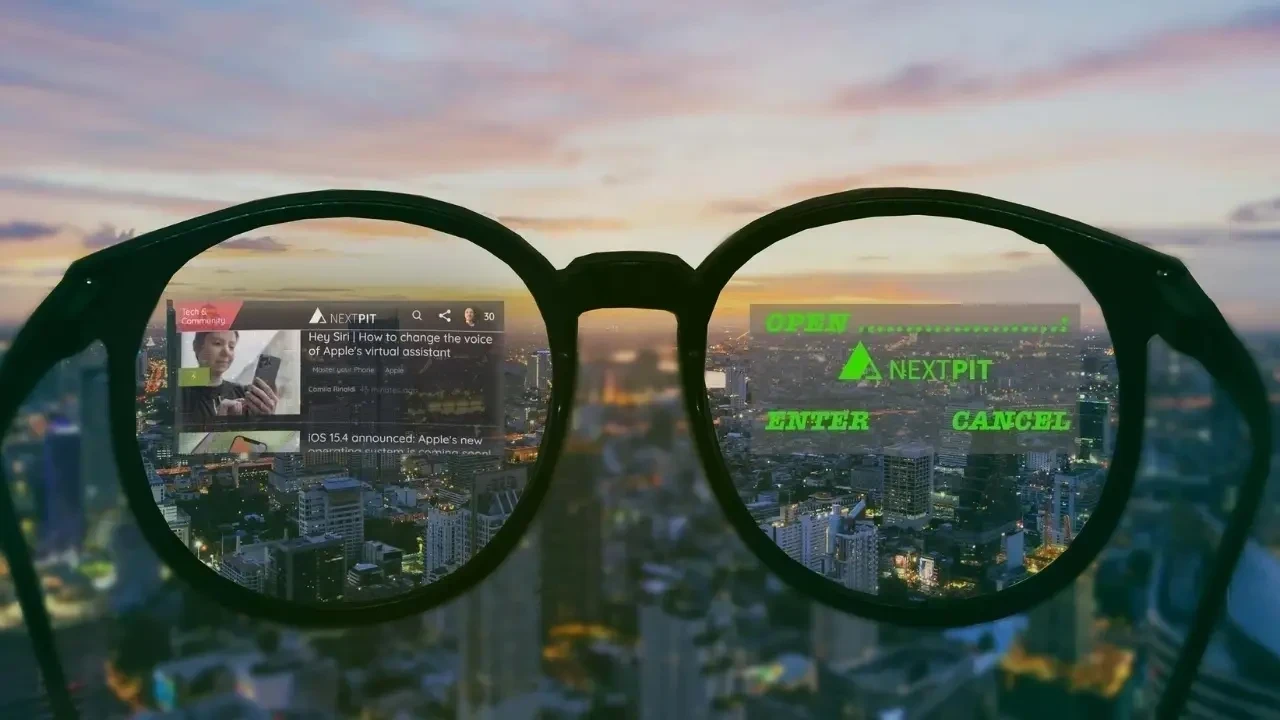
Extended reality technologies—augmented, virtual, and mixed—are now finding practical applications in 2026, influencing fields such as training, education, remote collaboration, healthcare, and design.
These innovative systems overlay critical information instead of merely replacing reality.
Factors for Accelerated Adoption
Improved user comfort, seamless software integration, and tangible productivity enhancements are driving the rapid uptake of XR.
9. Intelligent Healthcare Goes from Theory to Reality
Proactive Approaches to Wellness
Health technology in 2026 emphasizes predictive healthcare, with wearables monitoring health metrics, AI identifying anomalies, and personalized insights guiding overall wellness.
Tools aimed at mental health and stress management become integral to daily habits.
Transformative User Experience
Healthcare evolves from sporadic treatment to continuous, enabling individuals to manage their own long-term health.
10. Data-Driven Smart Cities
Urban Technologies Become Effective
By 2026, smart city technologies mature, with traffic systems adapting in real-time and public services dynamically responding to needs.
Cities will lean towards modular solutions, utilizing data to optimize performance and resource use.
Global Impacts
For fast-growing urban areas like India, adopting smart infrastructure is crucial for sustainability and enhancing living conditions.
11. Accountability in Technology Takes Charge
Moral Responsibility in Innovation
One of the most critical themes for 2026 is not technological advancement but ethical considerations. A rising demand for ethical AI, transparent algorithms, and responsible innovation is shaping tech development.
Issues like bias, misinformation, job displacement due to automation, and digital addiction are gaining much-needed attention.
Why This is Vital for the Future
Building trust in technology is essential for scalability. Ethical principles are becoming as crucial as technical skills.
Interconnections Among These Trends
What distinguishes 2026 is not just the individual trends but their interconnections:
-
AI enhances personalization and creativity.
-
Privacy and ethics guide AI application.
-
Sustainability influences hardware and infrastructure.
-
Design prioritizes human experience.
Together, these elements foster an ecosystem prioritizing value over mere hype.
Implications for India and the Global Stage
In India, these trends usher in extensive opportunities in AI solutions, digital infrastructures, wellness tech, and creator-centric media. On a global scale, they redefine competitive dynamics and innovation strategies.
Early adopters will reap efficiency and trust gains, while those hesitant to evolve face potential obsolescence.
Conclusion: Meaningful Technology Takes Precedence in 2026
The hallmark tech trends for 2026 resonate with a singular theme: technology should enhance, not overwhelm. Progression is pivoting from disruptive trends to thoughtful integration in the fabric of daily life.
The partnership with AI, human-focused hardware, established sustainability, and an increased focus on ethics will define this maturing digital era—an era where advancement is gauged by its impact, accountability, and intrinsic value.
The year 2026 will not be characterized by a singular breakthrough but celebrated as the year technology matured.
Disclaimer:
This article serves solely for informative and educational purposes. The pace of technological trends might differ based on regional and industrial factors including policy changes and economic conditions.