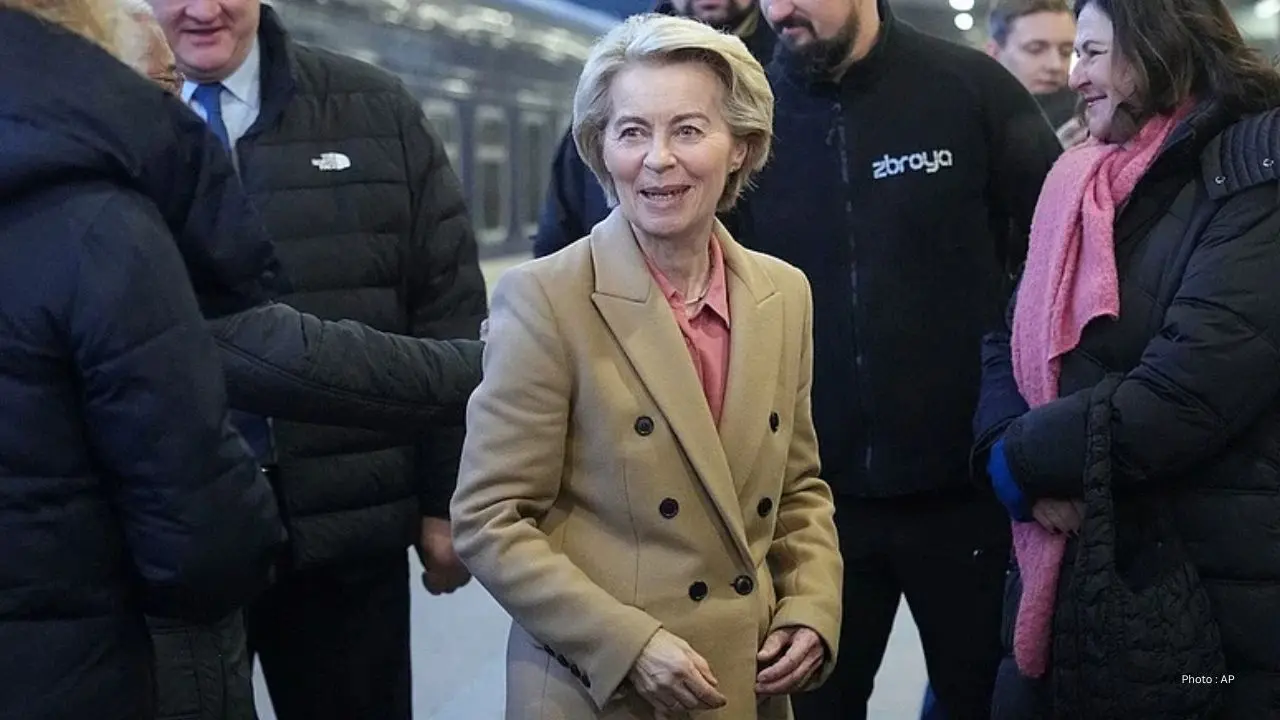
As geopolitical tensions escalate, Europe is grappling with skyrocketing energy costs, incurring an additional $32 billion for oil and gas imports since the crisis involving the United States, Israel, and Iran took root, as stated by Ursula von der Leyen. She delivered this warning during a press briefing in Berlin, describing the emerging situation as potentially the second significant energy crisis for Europe in just four years.
Representing the European Commission, von der Leyen drew parallels between the current disruptions and the 2022 energy crisis triggered by Russia’s cutoff of gas supplies to Europe. She underscored Europe’s ongoing vulnerability stemming from its heavy reliance on fossil fuel imports amidst shifting global political dynamics.
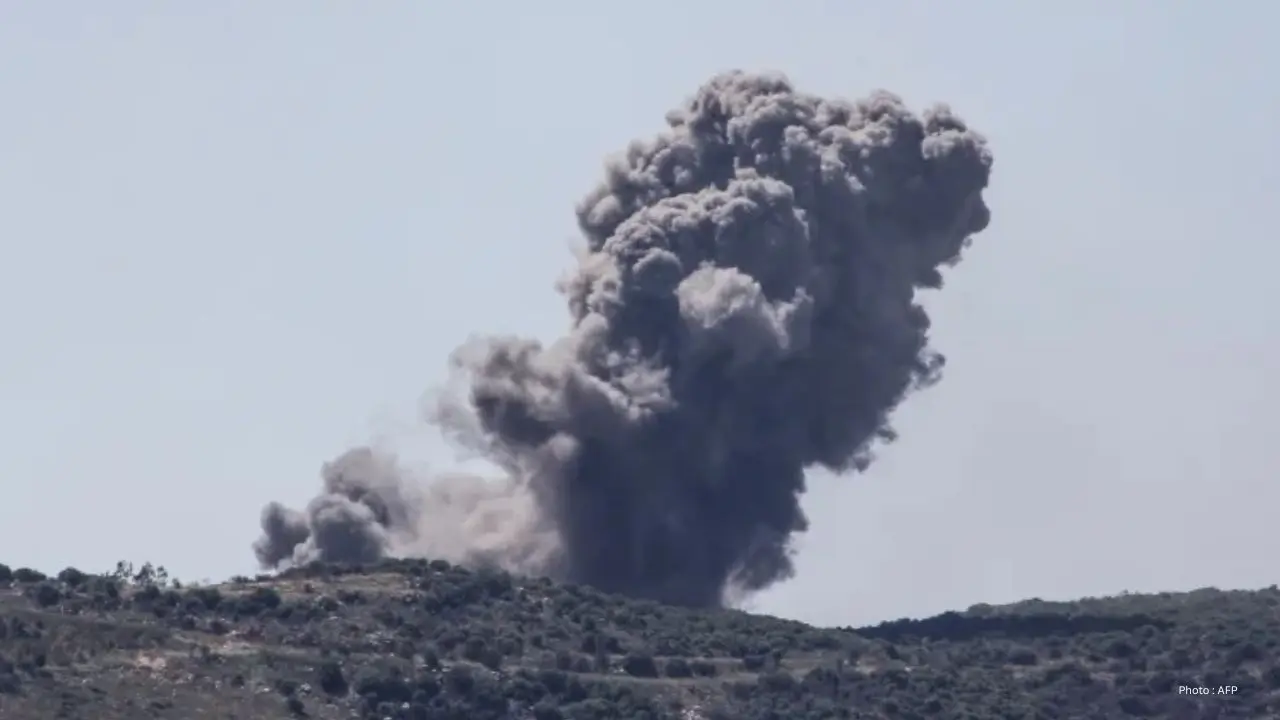
A central factor contributing to the surging prices is the instability surrounding the Strait of Hormuz, a crucial passageway for a large portion of the world’s oil supply. The existing tensions linked to Iran have heightened uncertainties in the global energy market, leading to increased costs for European nations.
Von der Leyen emphasized that the ramifications of the current crisis extend beyond immediate price surges, posing long-term challenges for energy security. She pointed out that disruptions in supply chains can swiftly exert economic pressure, impacting industry, businesses, and households throughout Europe.
In response, EU leaders are calling on member states to hasten their transition towards cleaner, more sustainable energy solutions. This strategy encompasses boosting renewable energy production, including wind and solar, alongside investing in advanced technologies such as nuclear energy and small modular reactors. These initiatives aim to diminish reliance on imported fossil fuels and bolster Europe’s energy independence.
Von der Leyen also clarified that there are no current discussions on easing sanctions against Iran. She indicated that any potential decision regarding sanctions relief would necessitate substantial and fundamental changes from Iran, reflecting a prudent stance amidst ongoing geopolitical tensions.
These developments underscore the growing apprehension among European leaders that persistent instability in global politics may result in prolonged periods of elevated energy prices. As Europe navigates rising costs, the urgency for energy diversification and self-sufficiency to safeguard economic stability becomes ever more pressing.