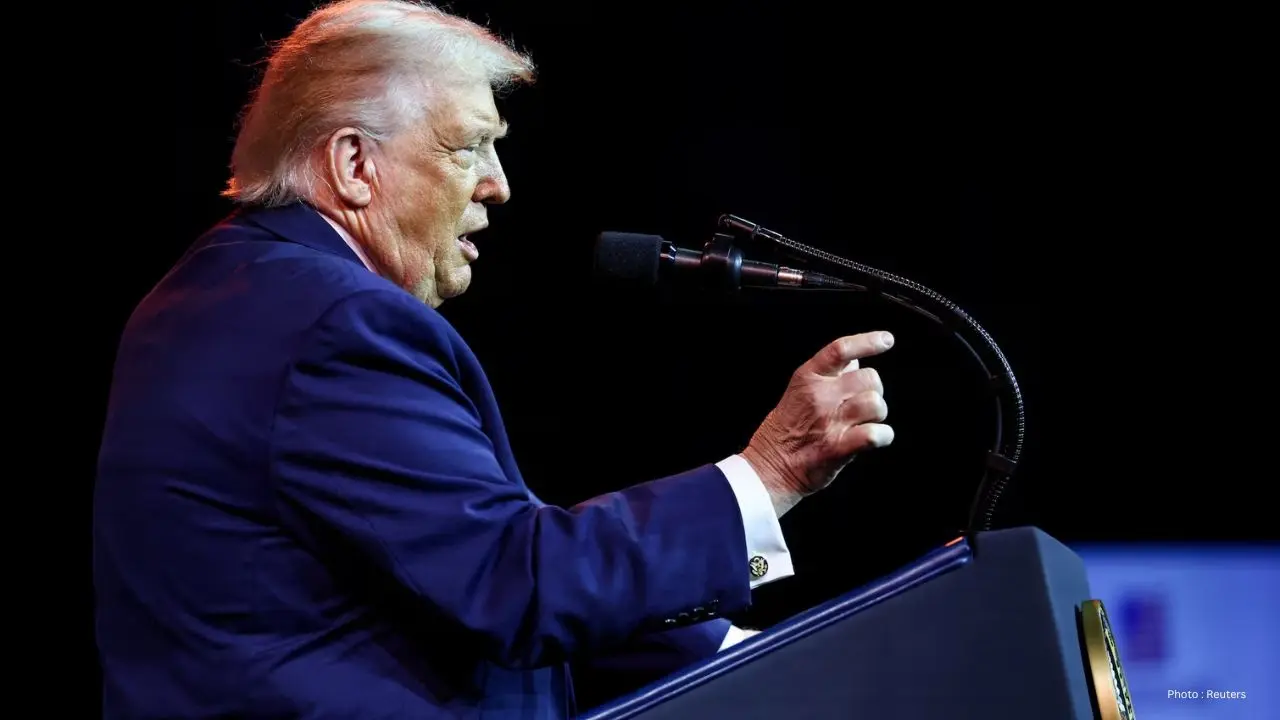
Donald J. Trump's proposal to elevate the United States defense budget to a staggering $1.5 trillion has ignited intense political discussions. Should this budget be approved, it would stand as the largest military financial commitment in U.S. history, even when inflation is considered.
This budget suggests a remarkable increase from earlier proposals, including those made during Joe Biden's tenure, which neared the $1 trillion mark. Analysts are expressing concerns over the practicality of such a sudden 50 percent surge in funding within a single fiscal year.
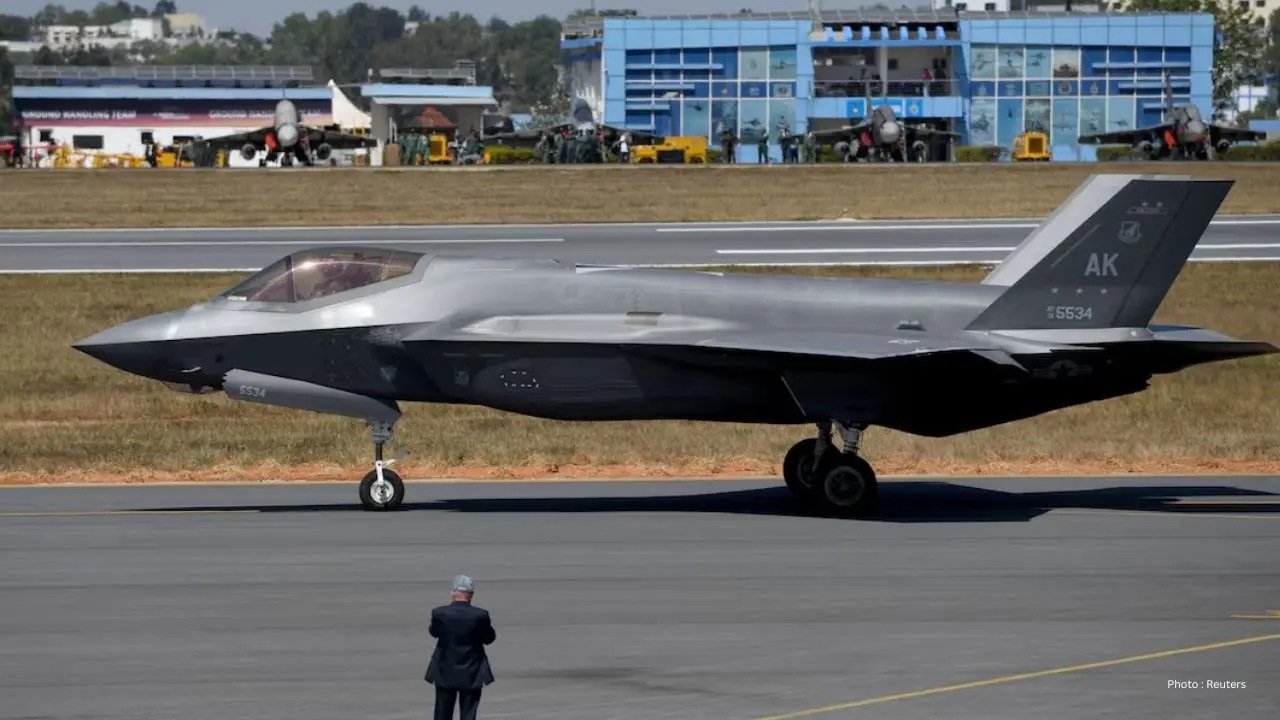
A significant share of the budget is anticipated to be allocated for advanced weapons and military technology. There is an expected sharp rise in arms procurement, alongside enhancements in research and development focusing on cutting-edge systems, satellites, and artificial intelligence. However, many experts are highlighting that a large portion of this funding still emphasizes traditional military hardware like warships and combat aircraft.
Moreover, practical limitations have come under scrutiny. Reports indicate that the U.S. might currently be ill-equipped to handle such a vast production demand for military supplies. Particularly in shipbuilding, a shortage of skilled labor and issues with the supply chain could derail the effective deployment of these allocated resources.
Another pressing issue is the financial ramifications of this plan. The funding increases are paired with cuts to essential domestic services like education, housing, healthcare, and agriculture. This trade-off carries inherent political risks, particularly in an election year, where voters may react unfavorably to reduced support for social programs.
Even within the Republican Party, some legislators are voicing worries regarding the surging federal deficit. The anticipated uptick in defense spending could exacerbate fiscal challenges, even with planned reductions in other government areas.
The discussion also encompasses military strategy implications. Experts are questioning if the weaponry prioritized aligns well with contemporary warfare, particularly with the advancements in drone and cyber technologies. Concerns arise that investments in high-priced systems may not always yield superior results compared to lower-cost alternatives seen in recent military operations.
While proponents assert that heightened defense spending is crucial amid rising global tensions, critics caution that without clear justification or a solid plan, this initiative could lead to both economic difficulties and political strife.
In summary, this ambitious defense budget proposal is at the forefront of U.S. political discourse, shedding light on the ongoing debates around national security, governmental spending priorities, and strategic foresight.