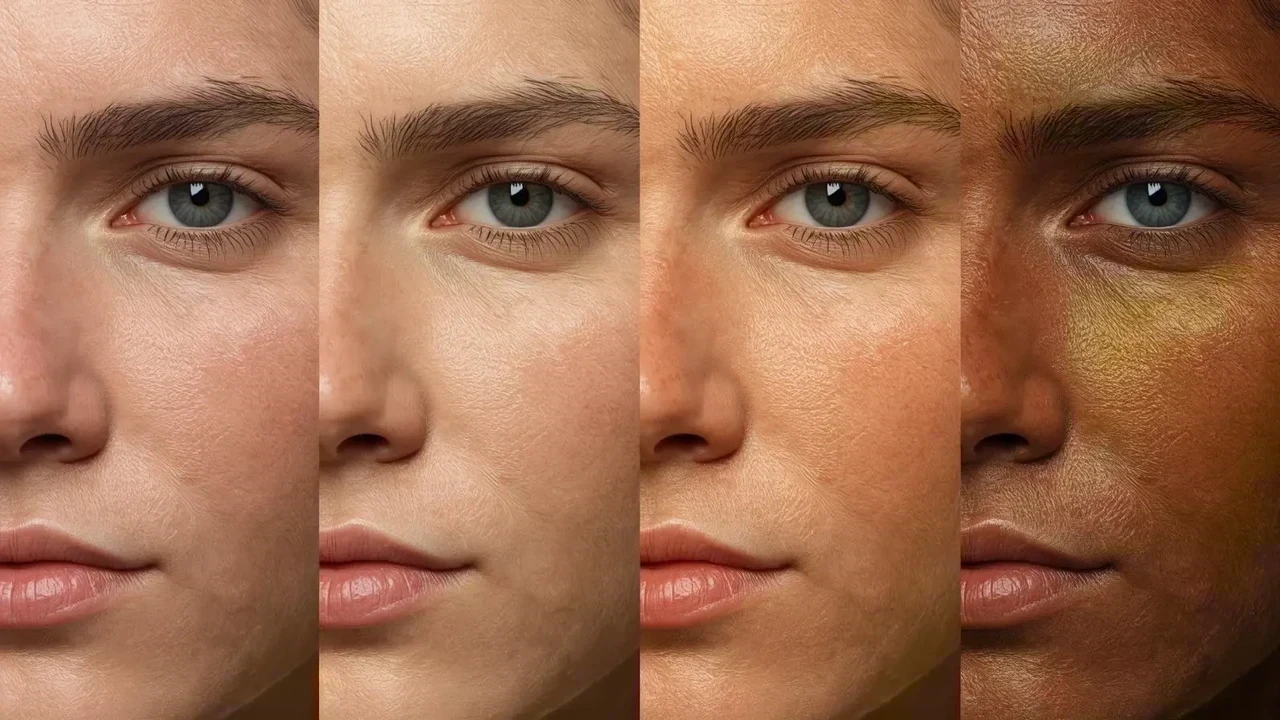
Skin Changes That Appear Long Before Visible Signs of Aging
Most people believe skin aging starts when wrinkles, fine lines, and sagging become visible. In reality, aging begins years earlier at a cellular and structural level, long before anything noticeable appears in the mirror. These early skin changes are subtle, gradual, and often mistaken for temporary issues like stress, dehydration, or seasonal dullness.
Understanding these early warning signs of skin aging allows you to protect your skin proactively instead of trying to reverse damage later. This guide explains the hidden skin changes that appear long before visible aging, why they happen, and how lifestyle, habits, and environment quietly accelerate the process.
Aging Starts Beneath the Surface of the Skin
Skin aging is not just about appearance—it’s about declining skin function. Even when skin looks smooth, internal processes may already be slowing down.
Key internal changes include:
-
Slower cell turnover
-
Reduced collagen and elastin production
-
Weakening skin barrier
-
Increased oxidative stress
-
Lower hydration retention
These changes usually begin in the mid-to-late 20s, long before visible aging becomes obvious.
Slower Skin Cell Turnover
Healthy skin constantly renews itself by shedding dead cells and producing new ones.
What changes early
-
Cell renewal slows gradually
-
Dead skin accumulates on the surface
-
Skin appears dull and uneven
This doesn’t look like aging initially—it looks like tired or dehydrated skin.
Why it matters
Slower cell turnover means:
-
Poor glow
-
Uneven texture
-
Delayed healing
-
Increased pigmentation risk
This creates the foundation for fine lines later.
Weakening Skin Barrier Function
One of the earliest and most overlooked signs of skin aging is skin barrier damage.
What the skin barrier does
-
Retains moisture
-
Protects against pollution and bacteria
-
Prevents irritation and inflammation
Early signs of barrier weakening
-
Skin feels tight after cleansing
-
Products sting or burn
-
Increased sensitivity
-
Frequent breakouts despite dryness
Barrier damage often appears years before wrinkles.
Reduced Natural Hydration Retention
Hydration is not just about applying moisturizer—it’s about the skin’s ability to hold water.
Early hydration-related changes
-
Skin feels dry even after moisturizing
-
Makeup sits poorly
-
Increased fine texture when smiling
-
Skin loses plumpness temporarily
This happens due to declining natural moisturizing factors and lipid production.
Early Loss of Skin Elasticity
Elasticity allows skin to bounce back after movement.
What happens first
-
Skin becomes slower to recover after stretching
-
Mild laxity appears around eyes and mouth
-
Facial contours soften subtly
This stage often goes unnoticed because it develops gradually.
Chronic Low-Grade Inflammation
Modern lifestyles expose skin to constant micro-inflammation.
Triggers of early inflammation
-
Pollution
-
UV exposure
-
Stress hormones
-
Poor sleep
-
Processed diets
This inflammation damages collagen slowly, leading to premature aging later.
Oxidative Stress Builds Up Early
Oxidative stress occurs when free radicals overpower skin’s antioxidant defenses.
Why this happens early
-
UV radiation
-
Blue light exposure
-
Smoking or passive smoke
-
Air pollution
-
High stress levels
Oxidative stress weakens skin long before visible damage appears.
Subtle Pigmentation Changes
Pigmentation doesn’t start as dark spots.
Early pigmentation signs
-
Uneven skin tone
-
Slight shadowing around mouth or eyes
-
Loss of brightness
-
Mild redness that lingers
These changes indicate melanin regulation disruption, often linked to sun exposure and inflammation.
Changes in Skin Microbiome
Healthy skin hosts beneficial bacteria that protect it.
Early microbiome imbalance signs
-
Increased sensitivity
-
Frequent minor breakouts
-
Difficulty tolerating products
-
Slower healing
A disrupted microbiome weakens skin resilience and accelerates aging.
Decline in Collagen Production Begins Early
Collagen loss starts earlier than most people realize.
Timeline of collagen decline
-
Begins in mid-20s
-
Decreases by about 1% per year
-
Accelerates with UV exposure and stress
Early collagen decline doesn’t create wrinkles immediately but reduces structural support.
Eye Area Changes Before Wrinkles
The eye area shows aging earliest due to thin skin.
Early eye-area changes
-
Slight hollowness
-
Mild creasing when smiling
-
Dark circles not linked to sleep
-
Fine dryness lines
These changes signal reduced hydration and collagen support.
Increased Skin Reactivity
Aging skin becomes less tolerant.
Early signs
-
Sudden product reactions
-
Redness from mild triggers
-
Increased itchiness
This happens as nerve endings become more exposed due to barrier thinning.
Sleep Deprivation Accelerates Invisible Aging
Skin repair happens during deep sleep.
Early effects of poor sleep
-
Reduced overnight repair
-
Increased cortisol
-
Dull complexion
-
Weak barrier recovery
Chronic sleep deprivation accelerates invisible aging more than genetics.
Blue Light Exposure and Digital Aging
Prolonged screen exposure affects skin.
How blue light damages skin
-
Generates free radicals
-
Triggers pigmentation
-
Disrupts circadian rhythm
-
Reduces repair hormones
This contributes to early dullness and uneven tone.
Nutrient Deficiencies Show Up on Skin First
Skin reflects internal nutrition status.
Common deficiencies linked to early aging
-
Vitamin C deficiency reduces collagen support
-
Vitamin D impacts skin immunity
-
Zinc affects healing
-
Omega-3 fats maintain barrier strength
Deficiencies may not affect health immediately but weaken skin resilience.
Stress Hormones and Premature Skin Aging
Chronic stress elevates cortisol.
Effects of cortisol on skin
-
Breaks down collagen
-
Increases inflammation
-
Delays repair
-
Worsens sensitivity
Stress-related aging often appears before chronological aging.
Lifestyle Habits That Accelerate Early Skin Aging
Even without wrinkles, these habits cause invisible damage:
-
Skipping sunscreen
-
Over-cleansing
-
Smoking or vaping
-
Crash dieting
-
Excess caffeine without hydration
Damage accumulates quietly.
How to Slow Skin Aging Before It Becomes Visible
Strengthen the skin barrier
-
Use gentle cleansers
-
Avoid over-exfoliation
-
Focus on barrier-repair ingredients
Prioritize sun protection daily
-
Sunscreen is anti-aging prevention, not cosmetic care
Support skin from within
-
Balanced nutrition
-
Adequate protein
-
Hydration
Improve sleep and stress regulation
-
Consistent sleep schedule
-
Stress management routines
Reduce environmental exposure
-
Cleanse pollution gently
-
Limit unnecessary screen time
Prevention works best when started early.
Why Early Awareness Matters More Than Treatments
Most anti-aging treatments focus on correcting visible damage. Addressing pre-aging changes:
-
Preserves natural skin function
-
Delays visible aging
-
Reduces need for aggressive treatments
-
Maintains long-term skin health
Skin ages quietly long before it wrinkles.
Final Perspective on Invisible Skin Aging
Aging is not sudden—it is a slow, layered process that starts beneath the surface. By recognizing early skin changes, you can support your skin when it is still strong, adaptable, and responsive. Prevention is not about fear of aging—it’s about protecting skin health for the long term.
Healthy skin ages better, slower, and more gracefully.
Disclaimer
This article is intended for informational and educational purposes only and does not replace professional dermatological or medical advice. Skin changes and aging patterns vary by individual based on genetics, health conditions, environment, and lifestyle. For persistent skin concerns or personalized treatment, consult a qualified dermatologist or healthcare professional.