Soybean farmers across the Midwest are encountering severe financial challenges, as surging production costs, international conflicts, and shifting trade policies place immense pressure on their operations. As the crucial planting season approaches, challenges seem to multiply.
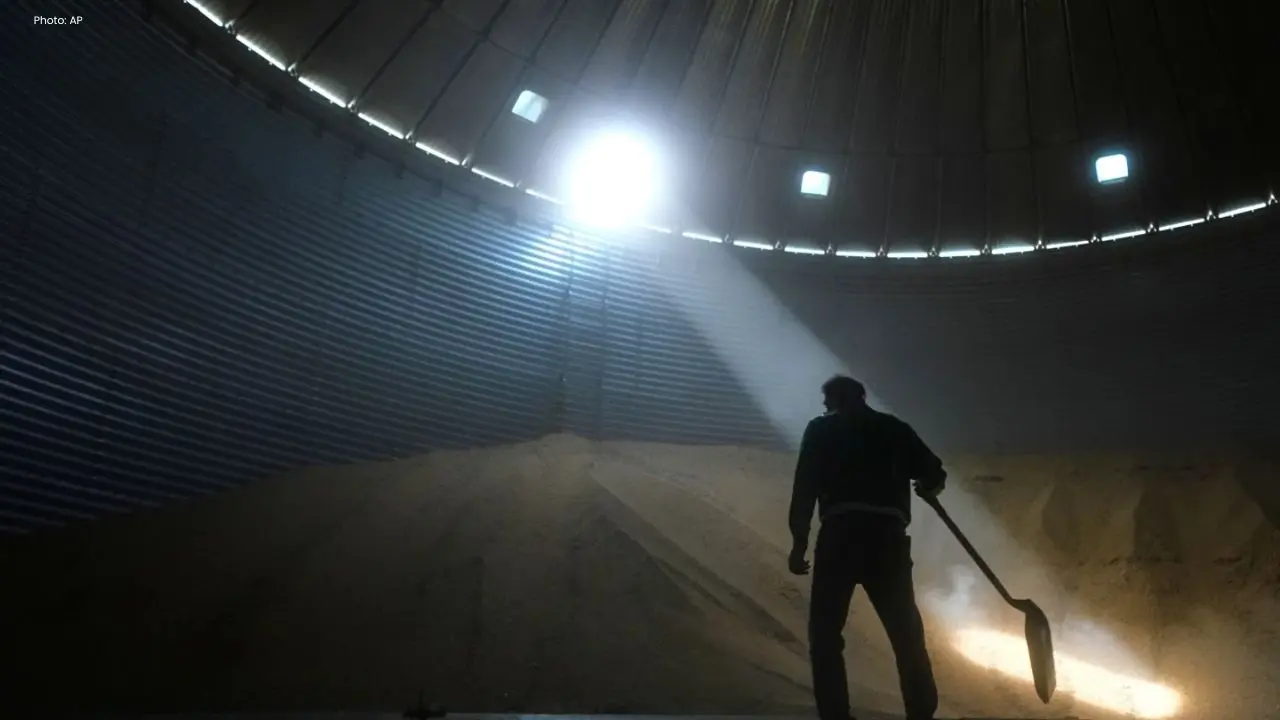
At his Nebraska farm, Doug Bartek reveals the stress caused by skyrocketing input expenses such as fuel, fertilizer, and machinery. Coupled with depressed soybean prices, these issues are slashing profit margins, leaving farmers anxious about the future.
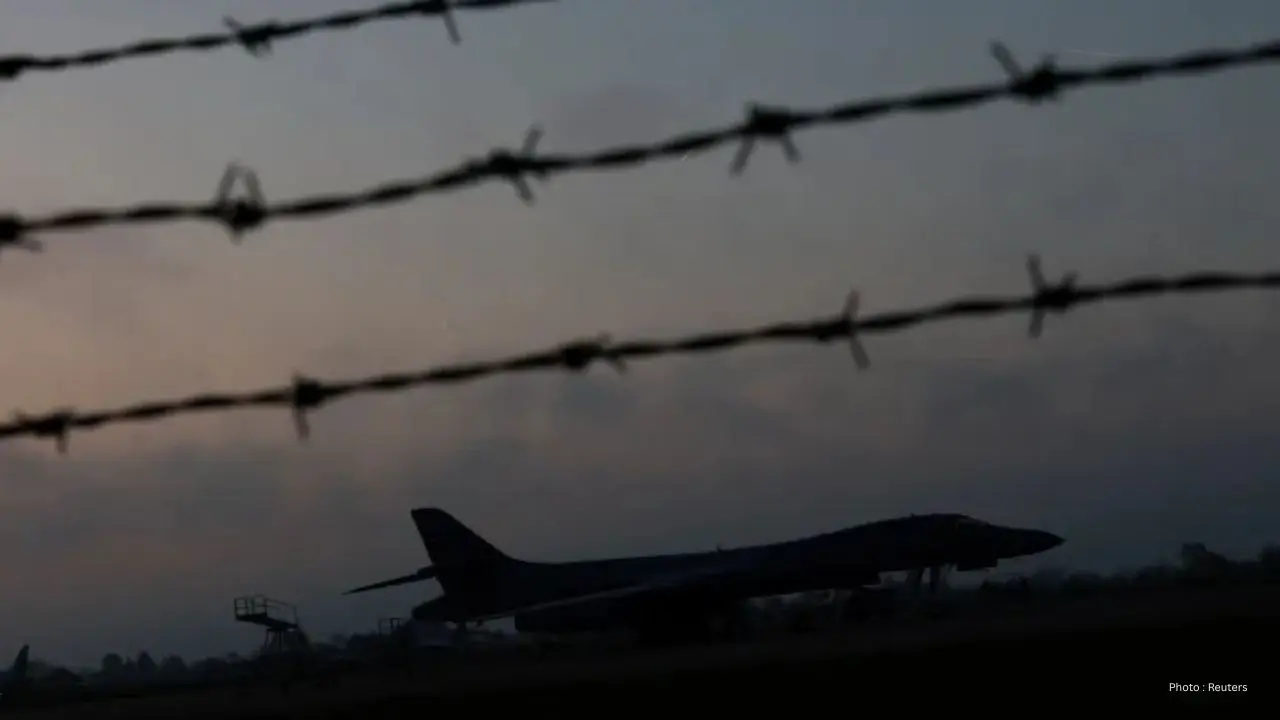
The conflict in Iran has compounded the crisis by disrupting vital global shipping routes, which has escalated the prices of fertilizers and fuels. Access to essential agricultural supplies is constrained due to supply chain disturbances, particularly in the Strait of Hormuz, leading to significant price hikes.
Trade disputes have also exacerbated the situation. Tariffs set during Donald Trump’s presidency ignited tensions with China, once a leading buyer of American soybeans. Although some agreements were made subsequently, farmers note that the repercussions on export markets persist.
Moreover, an oversupply of soybeans globally, especially from countries like Brazil, is keeping prices low. Simultaneously, operational costs are rising, resulting in a financial pinch for growers.
Experts caution that many farmers are operating at a loss, with some barely managing essential expenses. Farm bankruptcies are on the rise, and surveys suggest a significant number of producers are in a worse financial position than last year.
Despite their dedication to agriculture, a growing number feel anxious about what lies ahead. Surging costs, unstable market conditions, and uncertain global factors contribute to an increasingly grim outlook for U.S. soybean growers.