China has called for an enduring ceasefire in West Asia along with an immediate reopening of crucial international shipping lanes, as geopolitical tensions continue to disrupt global trade, oil prices, and regional stability. Chinese officials have asserted that a sustainable peace and reliable maritime routes are essential to mitigative economic downturns and lower the chances of an escalated international crisis.
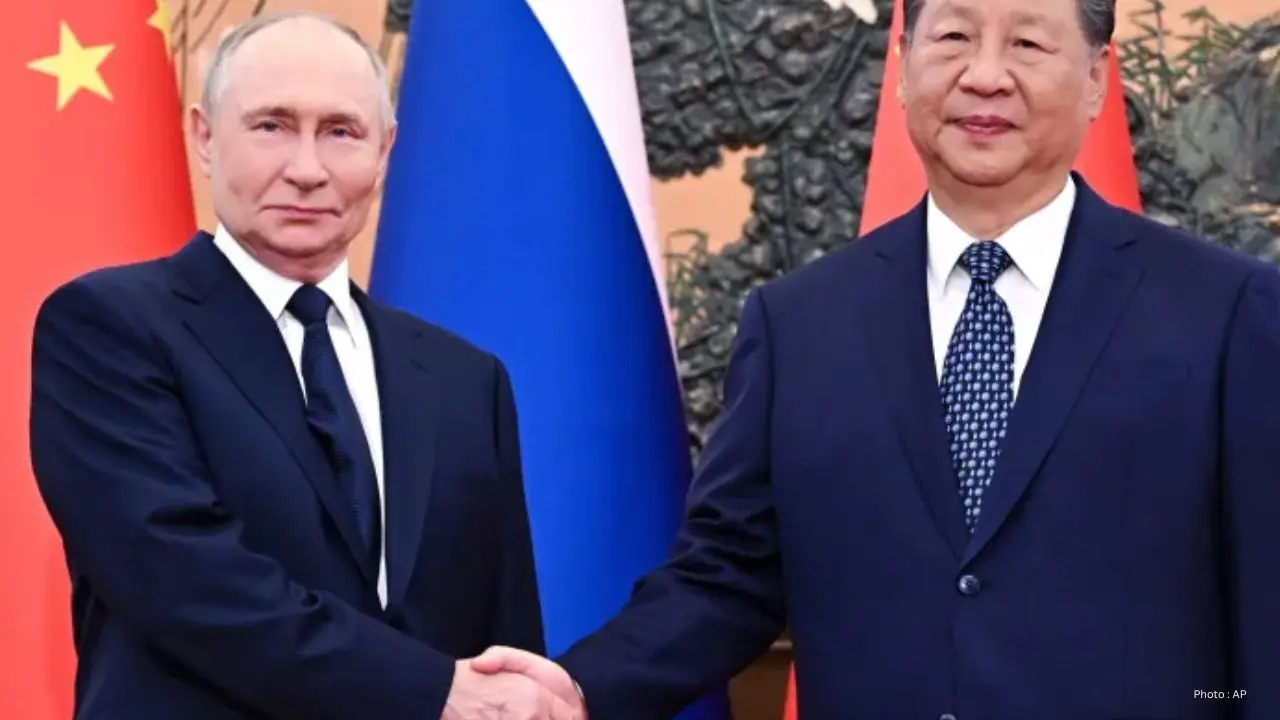
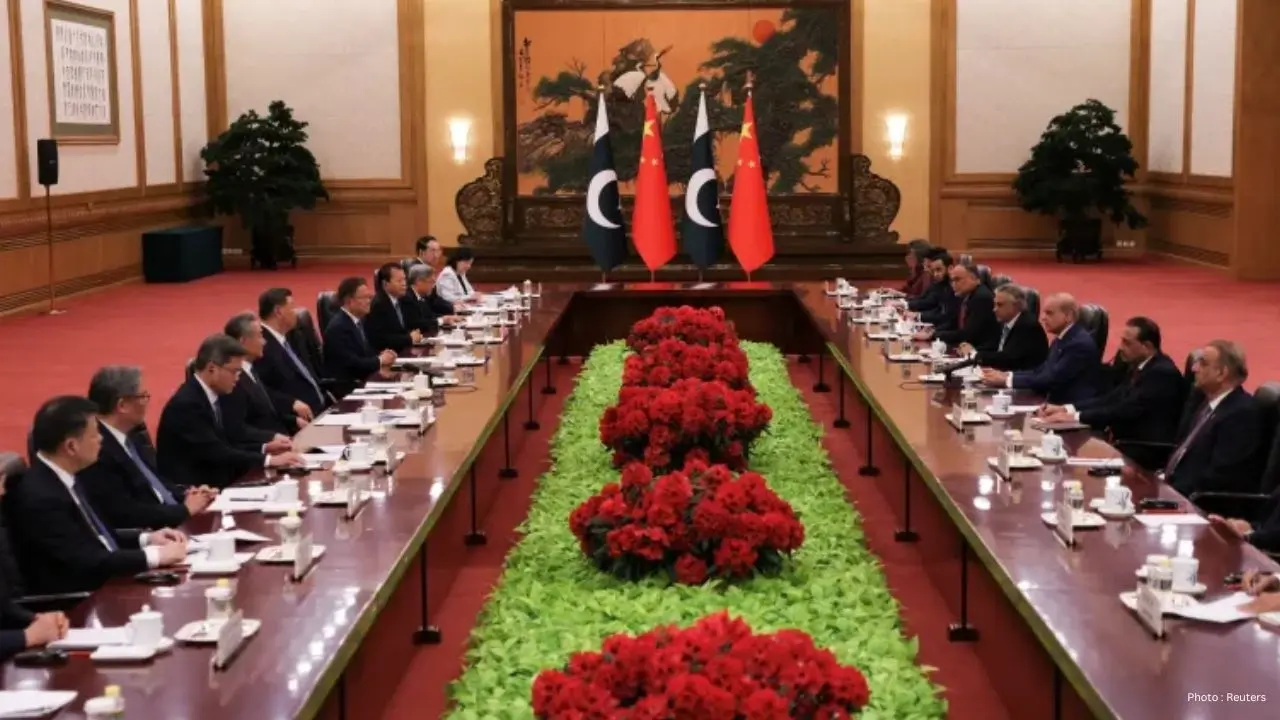
This announcement was made during high-level talks between Chinese leaders and global representatives, highlighting the escalating concerns over the conflicts impacting the Middle Eastern region. According to a statement from China’s Foreign Ministry, Beijing urges a “comprehensive and permanent ceasefire” rather than temporary truces. Officials suggest that lasting political dialogues and diplomatic negotiations are the pathways to restore regional tranquility.
Moreover, China underscored the necessity of reopening key shipping routes “as quickly as feasible,” particularly those related to the strategically vital Strait of Hormuz and the Red Sea area. These channels are deemed crucial for global trade, with significant volumes of oil, gas, and commercial goods passing through daily.
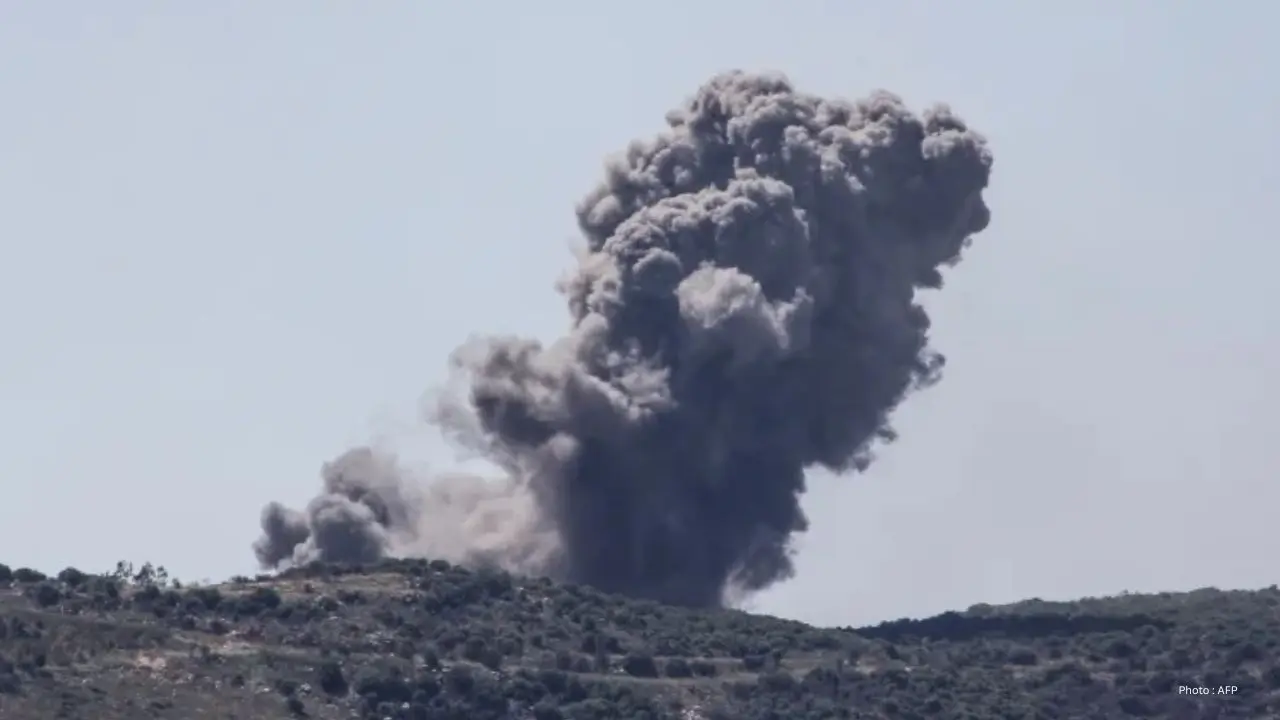
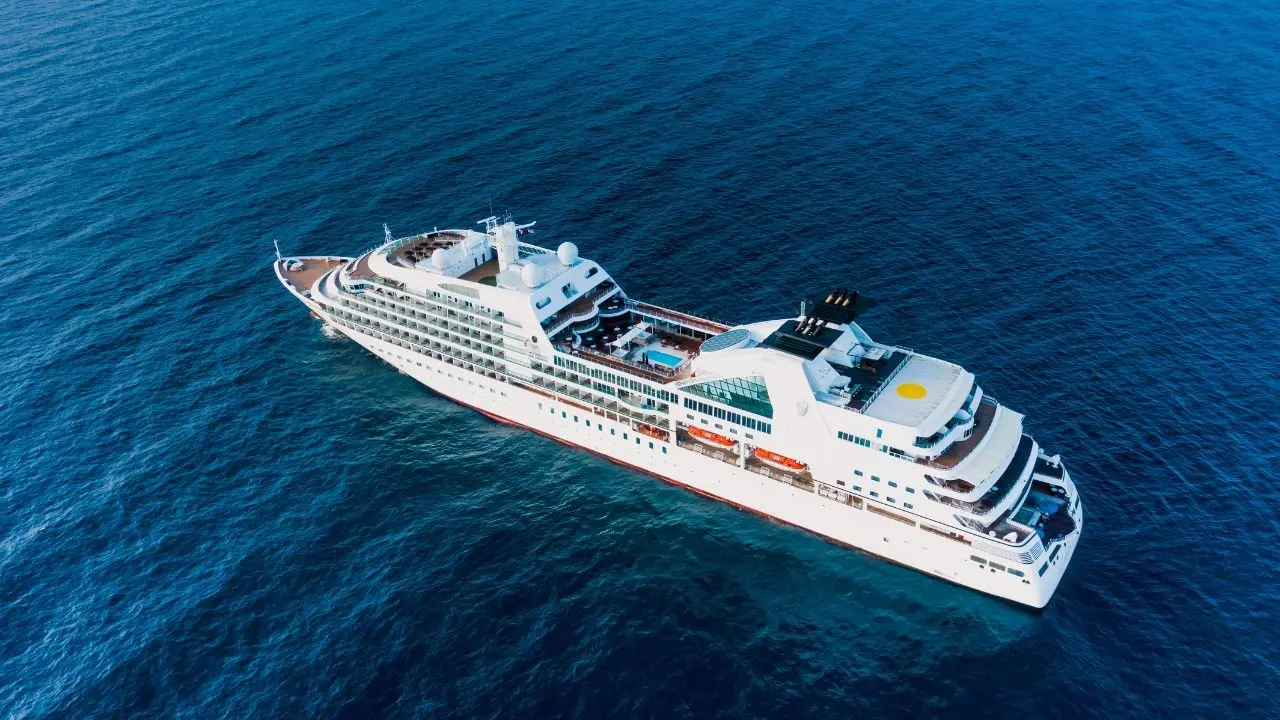
The ongoing regional turmoil has severely impacted maritime trade and international energy markets. Rising insurance premiums, delayed deliveries, and security risks tied to attacks on commercial vessels have plagued shipping companies operating in the Gulf. In response, multiple global shipping firms have reportedly reduced or halted routes through high-risk zones due to growing safety concerns.
Chinese officials have cautioned that ongoing instability in West Asia could have dire consequences for the global economy, particularly for developing nations reliant on imported energy and steady trade channels. Beijing has emphasized that the freedom of navigation must be safeguarded and reiterated calls for all parties to avoid actions that heighten military tensions or jeopardize commercial shipping.
These remarks emerge amid increasing global apprehension regarding the security of the Strait of Hormuz, where regional tensions involving Iran, Israel, and the United States have recently hindered typical maritime operations. Reports indicate that shipping flows in certain Gulf regions have sharply declined during military escalations, pressuring oil prices and global supply chains.
China is positioning itself as a champion for diplomatic resolutions and multilateral negotiations in the Middle East. Experts suggest that Beijing’s expanding role is indicative of both its economic interests and escalating political influence within the region, given its heavy reliance on Middle Eastern oil imports that make secure shipping routes vital for its economy.
International analysts perceive China’s new statements as part of a broader strategy to establish itself as a global diplomatic leader capable of mitigating international disputes. In recent times, Beijing has widened its political and economic alliances in the Middle East while favoring negotiations over military confrontations.
Consequently, global markets remain closely attuned to developments in the Gulf, as any prolonged disruption to shipping lanes could influence fuel prices, inflation, and international commerce. Energy analysts note that the Strait of Hormuz alone facilitates a significant portion of global oil exports, rendering it one of the most pivotal waterways for the world economy.
Chinese officials reiterated that dialogue, ceasefire agreements, and international collaboration are the practical solutions for restoring stability in the region. Beijing continues to call on all parties to prevent escalation and work cooperatively to reopen essential shipping routes to enable economic recovery and ensure global trade security.