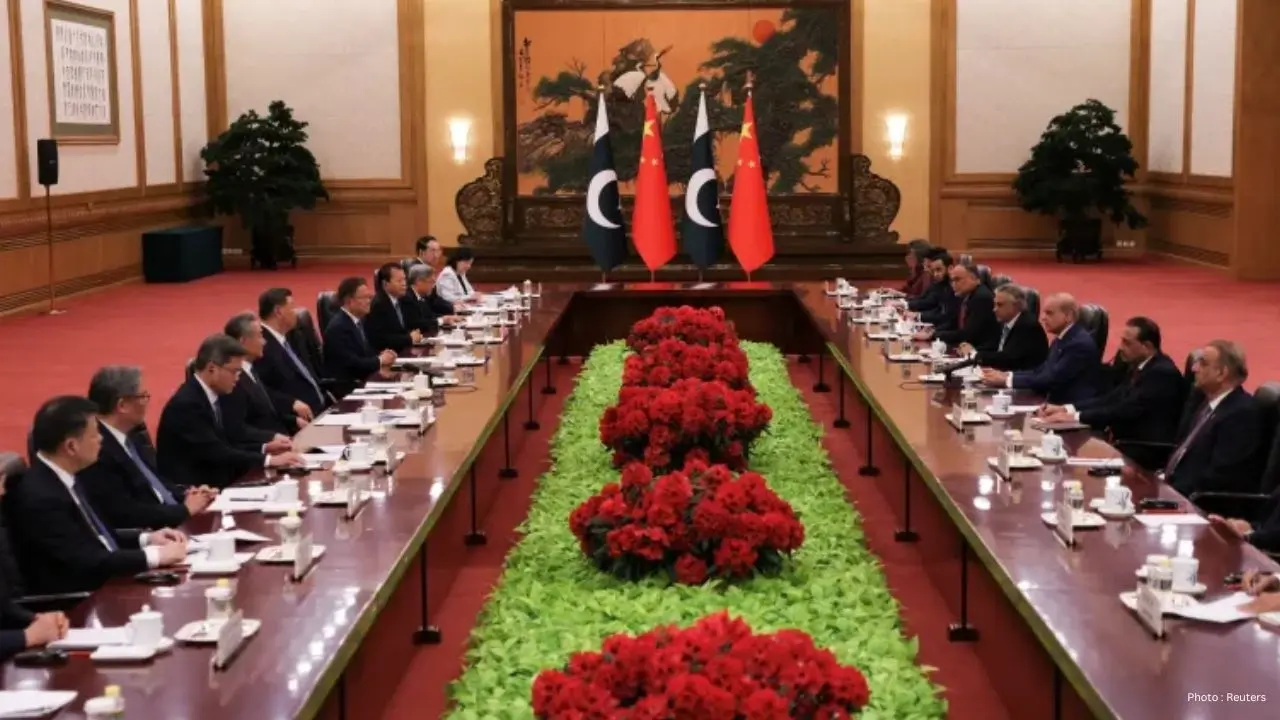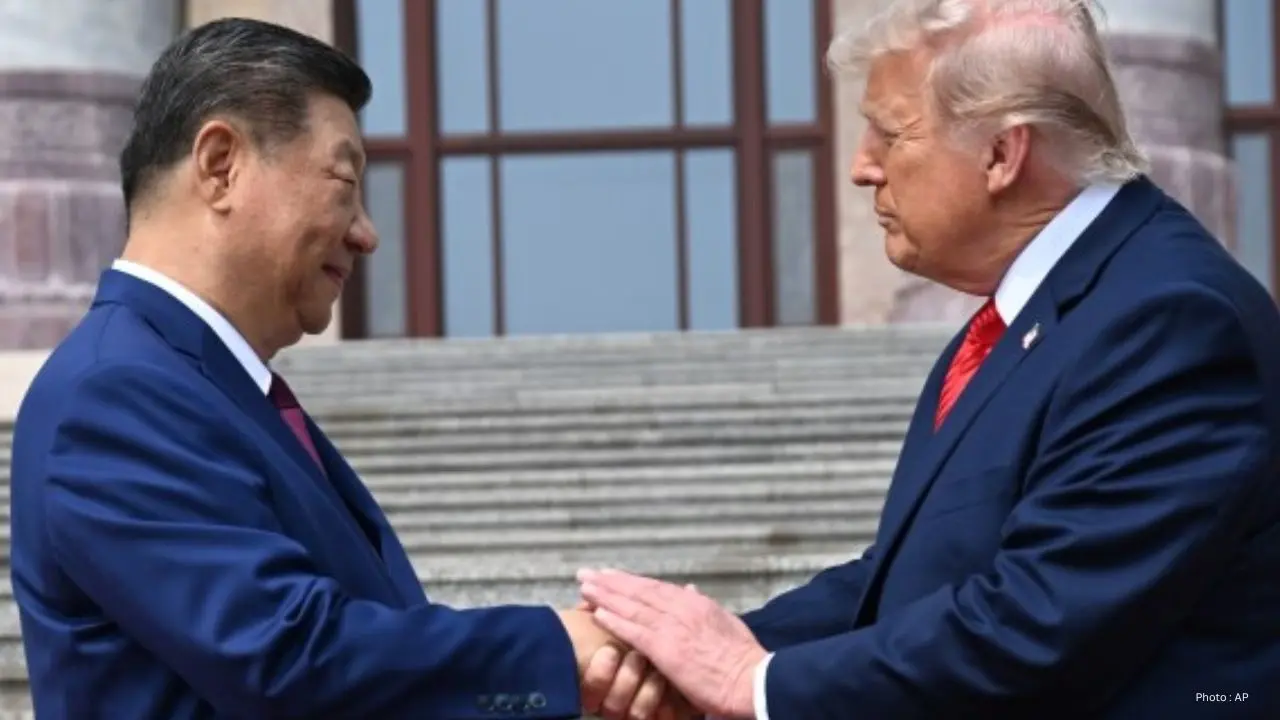
The White House has revealed that China is set to purchase billions of dollars worth of additional U.S. agricultural products, marking a significant advancement in the ongoing trade dialogue between the two nations. Officials emphasized that this commitment is pivotal for enhancing economic ties and bolstering the U.S. farming industry.
According to reports from U.S. officials, the arrangement entails enhanced Chinese procurement of key American farm staples including soybeans, corn, wheat, pork, beef, and various other agricultural goods. The White House noted that this surge in demand could provide essential financial assistance to American farmers while strengthening the agricultural export landscape.
This announcement occurs amidst continuing efforts from both Washington and Beijing to stabilize their trade relations after extended periods of tariff conflicts and economic strains. Tensions between the two largest global economies have disrupted global supply chains and affected financial markets.
American farmers were significantly affected in previous trade skirmishes, particularly after China curtailed imports of several U.S. agricultural goods in retaliation to tariffs imposed by the U.S. The anticipated increase in Chinese purchases is now regarded as a promising indicator for agricultural producers across the nation.
White House representatives conveyed that this agreement reflects the continuous negotiations aimed at fostering equitable trade practices and enhancing market access for American enterprises. The administration is also committed to addressing trade imbalances and safeguarding U.S. economic interests.
Though Chinese authorities have yet to provide complete details on the purchase commitments, analysts observe that agricultural imports frequently serve as tools in the broader context of trade diplomacy between the nations. China remains a leading global buyer of agricultural commodities and a vital market for U.S. farmers.
Economists believe the additional purchases could contribute to stabilizing agricultural prices and restore confidence among producers and exporters. However, caution is advised, as long-term trade relations between the U.S. and China could remain fraught with complexities stemming from disputes over technology, tariffs, manufacturing, and national security concerns.
Global markets are keeping a close watch on the trade developments between Washington and Beijing, as shifts in their economic policies can influence international business environments, commodity pricing, and overall investor confidence on a global scale.
Farm industry organizations have warmly welcomed the announcement, asserting that increased export demand could revitalize rural economies and aid agricultural communities under financial strain from escalated costs and market uncertainty.
Officials from both nations are anticipated to maintain negotiations surrounding broader economic and trade matters in the forthcoming months as efforts to enhance stability in the global trading framework continue.