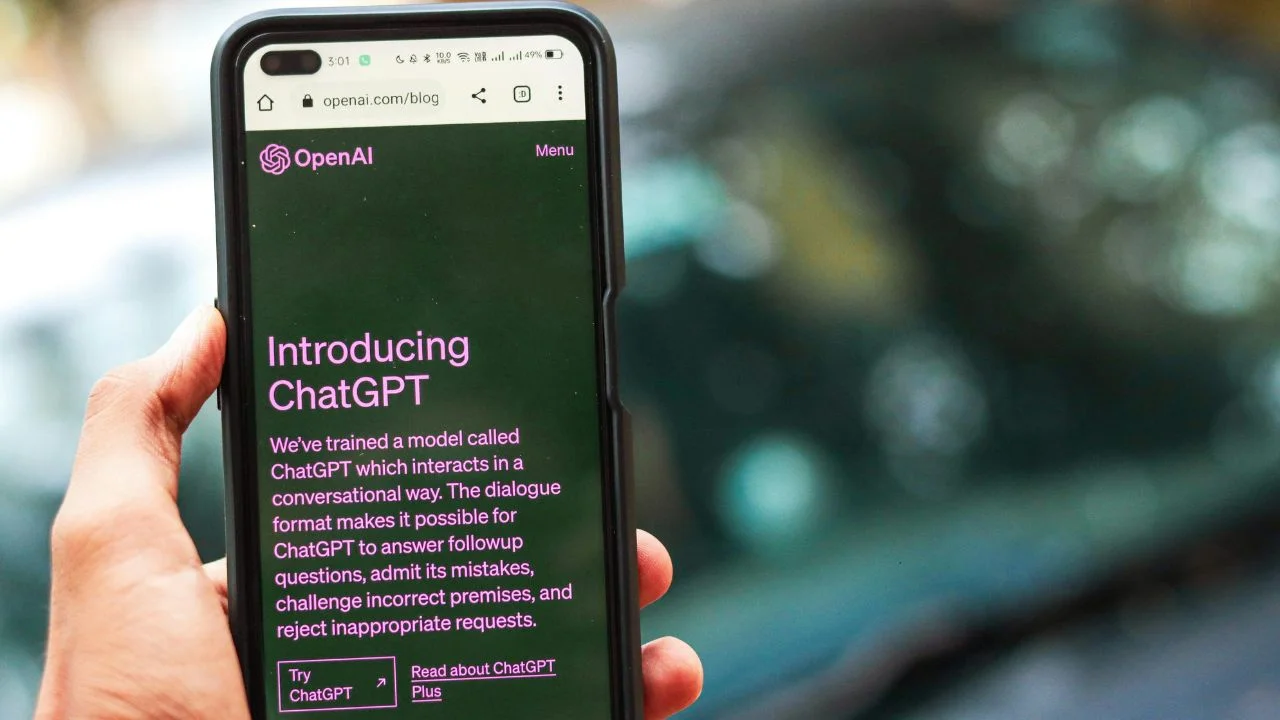
OpenAI has taken a major step into the education sector with a new version of ChatGPT built exclusively for teachers. Designed for K-12 educators and school districts, this platform aims to provide a safe, efficient, and collaborative space where teachers can use AI to simplify tasks, plan lessons, and manage student-related work.
The initiative arrives at a time when classrooms are navigating debates about AI use, cheating, and digital learning gaps. OpenAI is initially rolling out the platform to a select group of districts, representing nearly 150,000 educators in the US, who can access the tool for free until June 2027. The company emphasizes privacy and control, noting that any information shared within the platform will not train its AI models.
Teachers using the platform will benefit from advanced features unavailable in the standard ChatGPT, including higher usage limits, access to GPT-5.1 Auto, and integration with apps like Google Drive, Microsoft 365, and Canva. The AI can also remember teacher-specific details, such as grade level, streamlining lesson planning and making responses more tailored.
Security remains a priority. The platform meets FERPA requirements, ensuring student data remains protected. Administrators have control over domain claims, SAML SSO logins, and overall usage, giving schools oversight that goes beyond what the public version of ChatGPT allows.
Collaboration is another highlight. Educators can create and share custom GPTs suited to their classroom needs, and the workspace includes example prompts from other teachers to help newcomers get started. This builds on OpenAI’s previous education tools, including Study Mode for college students, marking a significant expansion into K-12 learning environments.
The platform is already being adopted by several districts, including Capistrano Unified in California, Dallas Independent in Texas, and Fairfax County Public Schools in Virginia. Teachers can verify their credentials through SheerID to access the system. While OpenAI may introduce pricing after 2027, schools are assured of a long window to adapt and explore AI responsibly in classrooms.