Breakfast is often called the most important meal of the day, and in India, it also carries warmth and culture. For many families, breakfast means fresh, home-cooked food like idlis, dosas, poha, or upma. These foods are light, filling, and part of daily life. But are these traditional dishes really good for your gut health?
To answer this, Shalini Arvind, Chief Dietitian at Fortis Hospital, Bannerghatta Road, Bengaluru, explained how Indian breakfasts help digestion and overall health. According to her, what we eat in the morning can strongly affect how our body feels all day long.
Idli and Sambhar: The Gold-Standard Breakfast
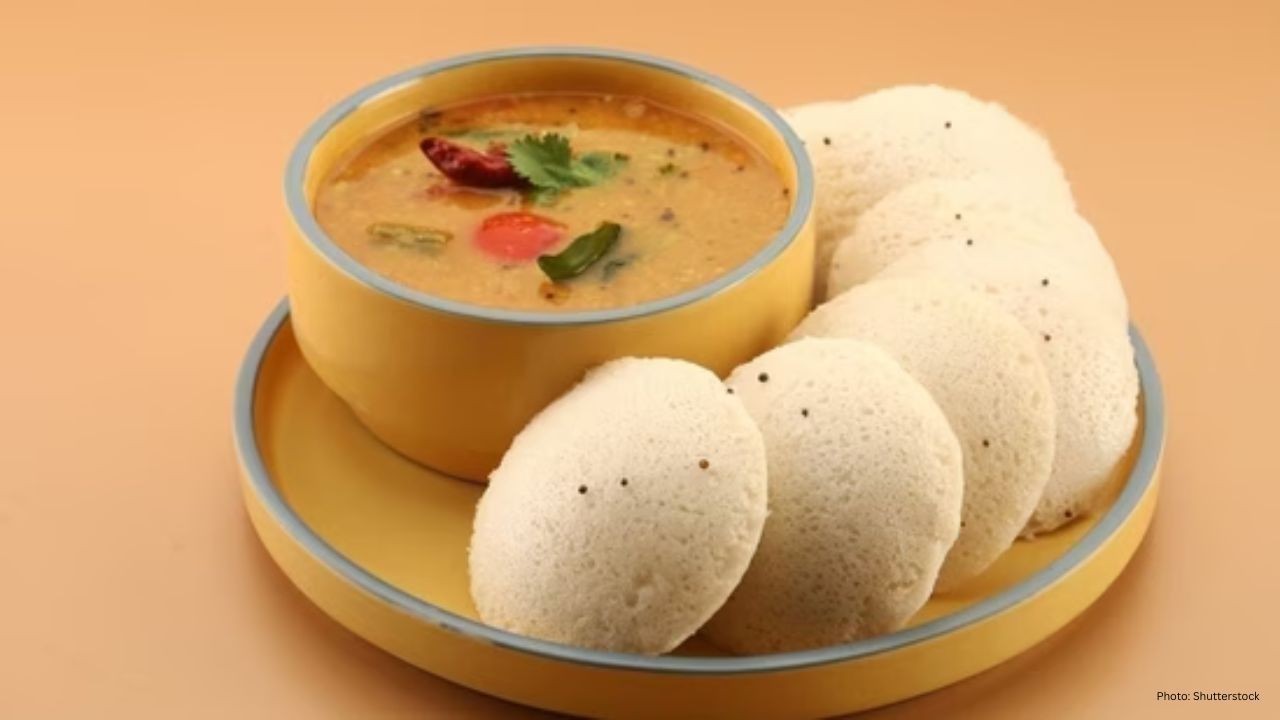
Dr. Arvind said that idli with sambhar is one of the healthiest and most balanced breakfasts you can have. Idlis are fermented, which means they contain good bacteria that support digestion and keep your gut happy. Because idlis are steamed, they are light and easy to digest, so your stomach doesn’t feel heavy after eating them.
When you eat idlis with sambhar, you get a mix of nutrients. Sambhar, made with lentils and vegetables, provides protein, fibre, vitamins, and minerals. The coconut chutney adds healthy fats that help your body absorb nutrients better. Together, they make a meal that gives you steady energy, prevents acidity, and keeps your stomach calm.
Dr. Arvind calls it a “gold-standard” breakfast because it’s simple, nutritious, and naturally good for the gut.
Variety Is Key for a Healthy Gut
However, she also reminds people not to eat the same food every day. “The gut thrives on variety,” she said. “We need a mix of foods that are rich in fibre, protein, and natural probiotics.”
Here are some other gut-friendly Indian breakfast options that she recommends:
1. Poha with Curd
Poha (flattened rice) is soft, light, and easy to digest—perfect for those with sensitive stomachs. When paired with curd, it becomes even better for your gut because curd contains probiotics, or good bacteria. Adding peanuts gives the dish protein and healthy fats, turning it into a complete meal.
This simple combination helps balance your digestion and keeps you feeling full without heaviness.
2. Upma Made with Rawa or Millets
Another healthy choice is upma, which can be made from semolina (rawa) or millets such as ragi, jowar, or foxtail millet. These grains are rich in fibre, which helps with regular bowel movements and supports the gut microbiome.
Dr. Arvind says that when cooked properly, millets are gentle on the stomach and can help control blood sugar levels. Adding vegetables like carrots, beans, and peas makes upma even more nutritious and colourful.
3. Protein-Rich Cheela
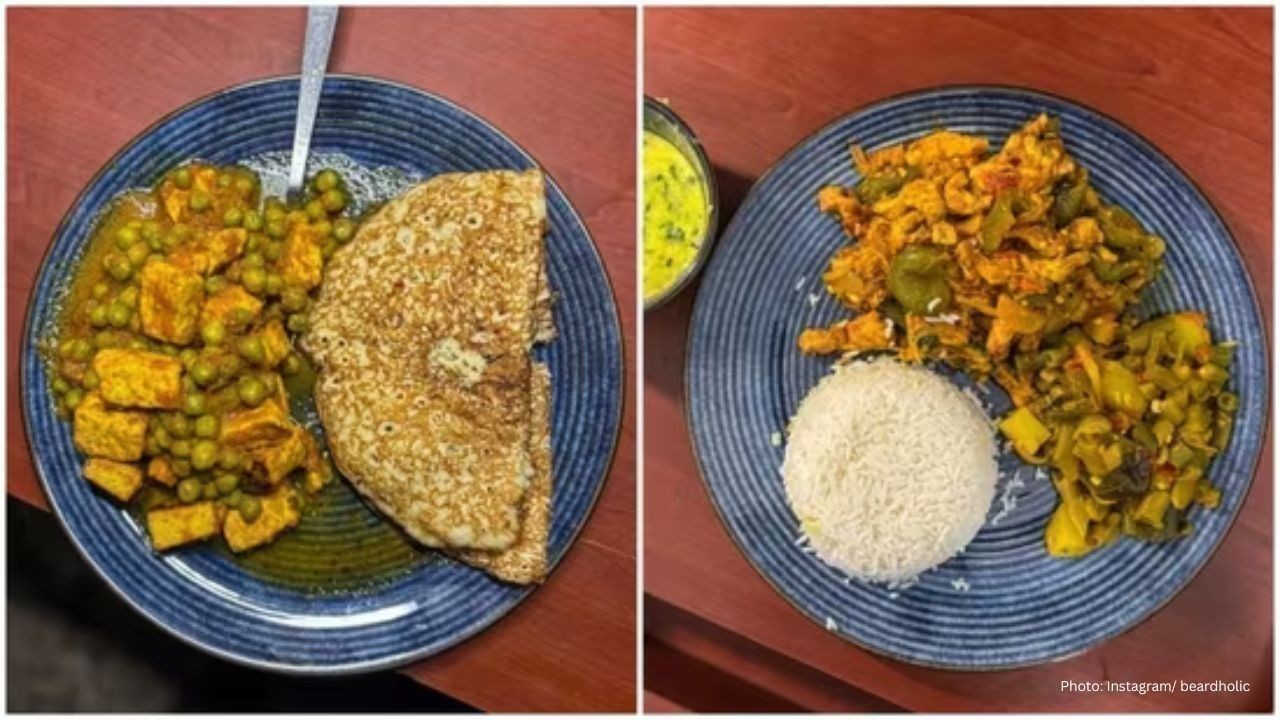
For those who prefer something savoury, moong dal cheela or besan cheela is a great choice. These Indian pancakes are rich in protein, which helps with muscle repair and keeps you full for a longer time.
Serving them with mint or coriander chutney adds freshness and helps digestion. This combination gives a strong start to your morning while supporting your gut health.
4. Dosa and Dhokla
Like idli, dosa and dhokla are also fermented foods that are light and easy on the stomach. Fermentation adds good bacteria that improve gut health and help break down food better.
Ragi dosa or ragi porridge (ragi kanji) are especially good options because they are rich in calcium and fibre, which support both digestion and bone health.
How You Eat Matters Too
Apart from what you eat, how you eat also affects your gut. Dr. Arvind advises choosing freshly cooked, warm food over cold or packaged items. Warm meals help digestion, while processed foods can upset your stomach.
She also suggests avoiding tea or coffee on an empty stomach, as they can cause acidity. Instead, include spices like ginger, cumin, turmeric, and curry leaves in your breakfast. These natural spices help reduce bloating and improve digestion.
Dr. Arvind also warns that foods like puri, vada, or bhature, though delicious, should be eaten only occasionally. They are deep-fried and made from refined flour, which can lead to acidity, heaviness, and discomfort if eaten too often.
A Healthy Start to the Day
Eating a healthy breakfast doesn’t mean giving up on traditional Indian foods. It’s about choosing the right ingredients and methods. Steamed, fermented, or lightly cooked dishes like idli, dosa, poha, and cheela are full of nutrients and gentle on your stomach.
The key is balance—mixing different grains, vegetables, and proteins, and avoiding heavily processed or fried foods. By doing this, you can build a strong gut, feel more energetic, and start your day the right way.