Goa-based fitness coach Dharma Kumar, known as Beardholic on social media, has shared nine simple high-protein meal ideas to help people build muscle and stay strong. His plan includes both vegetarian and non-vegetarian dishes made from easy-to-find foods like eggs, paneer, chicken, rice, and soya chunks.
Kumar posted the meal ideas on Instagram, explaining that eating high-protein food doesn’t have to be boring or expensive. He said these recipes are practical for daily life and can help people reach their fitness goals without relying on costly supplements or takeout food.
These meals are balanced with protein, carbs, and vegetables, providing energy for workouts and helping the body recover afterward. They are also designed to suit both vegetarians and non-vegetarians.
Here are the nine high-protein meals shared by Dharma Kumar:
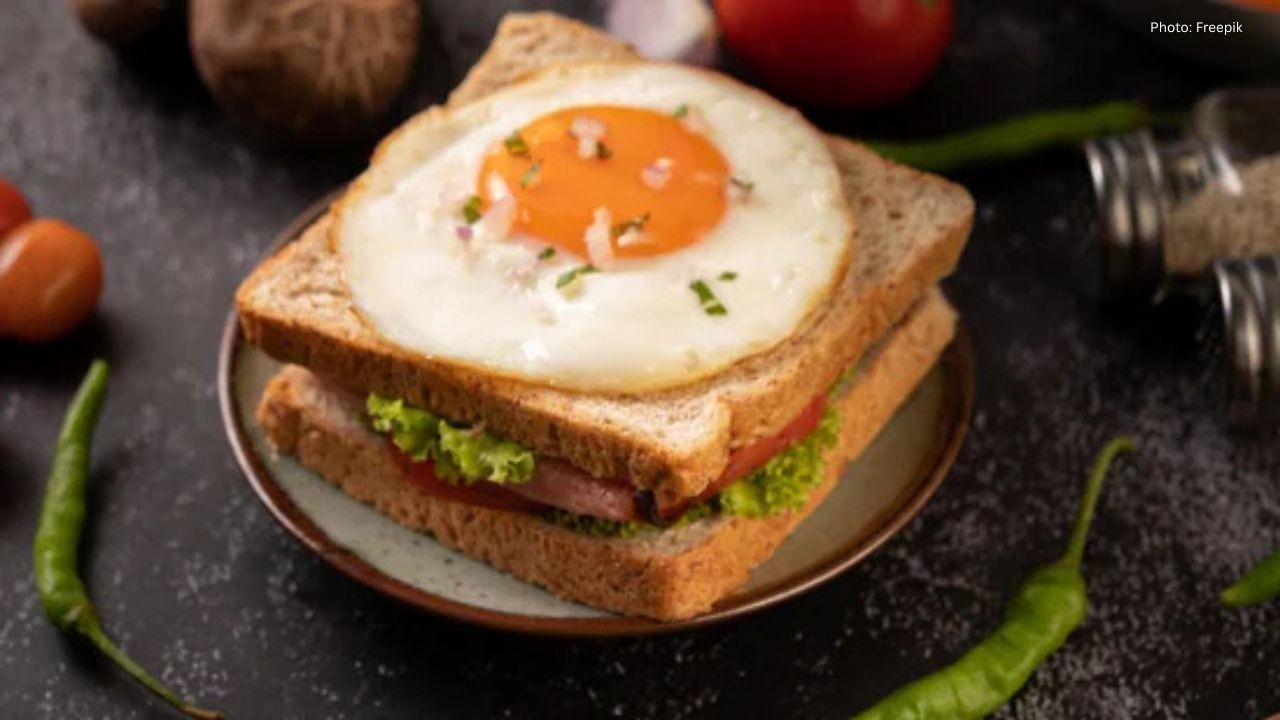
Three whole eggs + two egg whites + two poli (flatbreads) — a strong breakfast to start the day.
Three whole eggs + two chapatis — simple, filling, and full of protein.
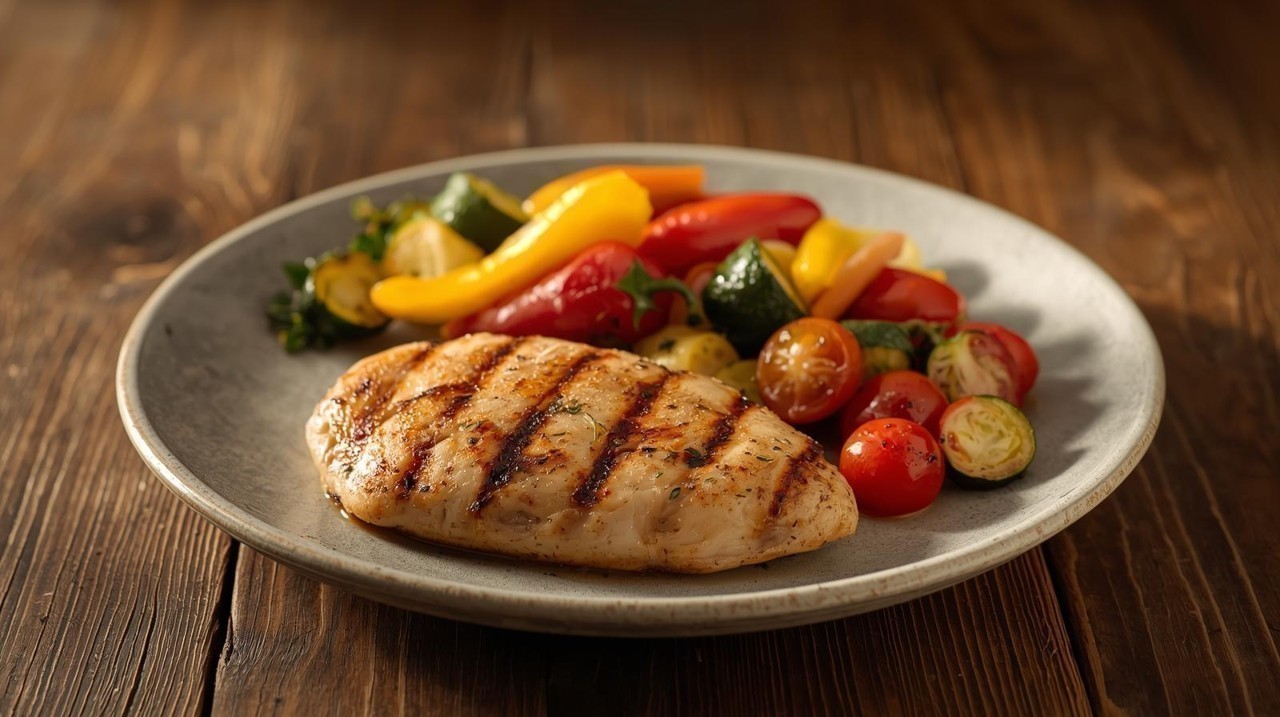
150g chicken + 150g white rice + vegetables + curd curry — a complete lunch for muscle repair.
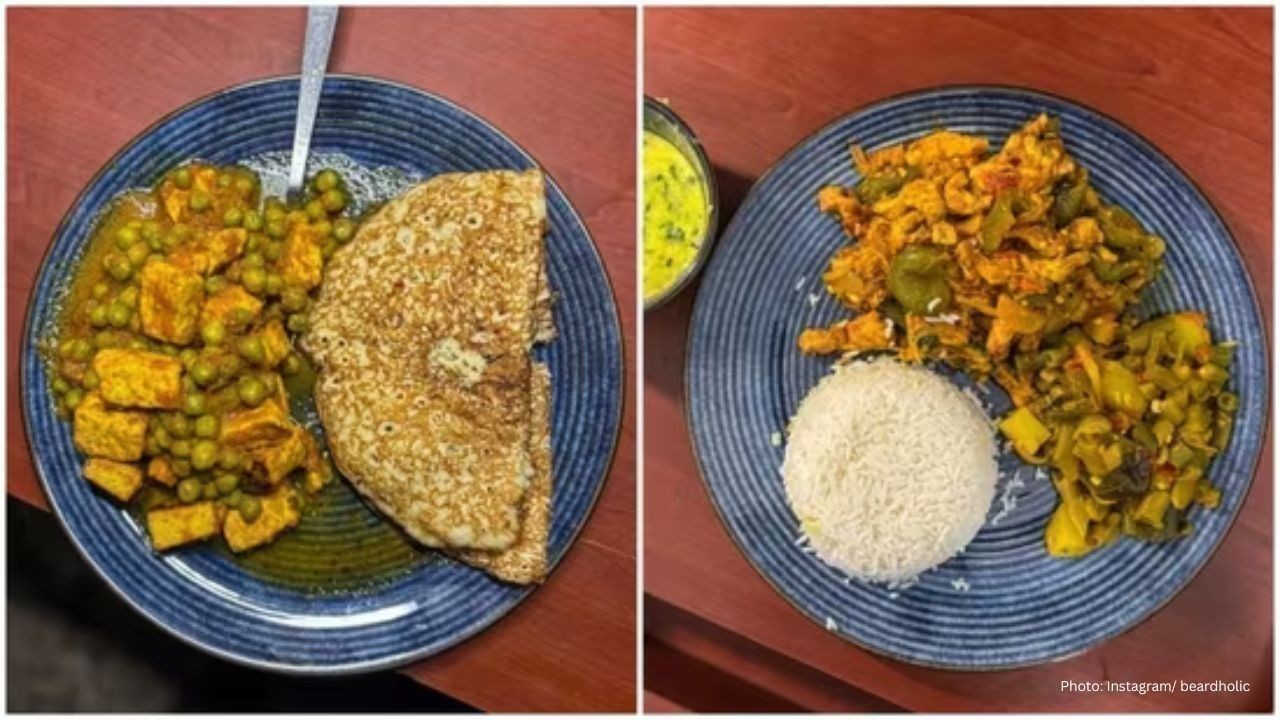
200g low-fat paneer with green peas + two dosas — a vegetarian option rich in nutrients.
150g white rice + 200g paneer bhurji + 30g soya chunks + okra curry — packed with plant protein.
150g white rice + 150g chicken + one cup dal + long beans curry — a balanced Indian meal.
200g low-fat paneer + 150g white rice — easy and light for dinner.
150g white rice + 150g chicken — a quick, protein-rich meal for non-vegetarians.
Multigrain chips + 150g lemon rice + plant-based kebabs + mixed vegetables — a fun and colorful choice.
Nutrition experts say that eating enough protein helps build and repair muscles, especially after exercise. Protein supports muscle protein synthesis (MPS) — the body’s process of repairing and growing muscle tissue.
In a recent interview, dietitian Twincy Ann Sunil from Apollo Spectra Hospital in Bengaluru said that protein intake after exercise is very important for recovery and muscle growth. She also mentioned that vegetarians can meet their protein needs by including foods like paneer, lentils, and soy in their diet.
Kumar’s meal ideas prove that healthy eating doesn’t need to be fancy or costly. With simple home-cooked food, anyone can meet their daily protein goals and maintain a strong, balanced body. These dishes are easy to prepare, budget-friendly, and suitable for both fitness beginners and athletes.
Experts also stress that meal planning is key to staying consistent with nutrition. It prevents unhealthy eating habits and ensures the body gets the right nutrients at the right time.
In conclusion, Dharma Kumar’s 9 high-protein meals are perfect examples of how everyday Indian foods can help people build muscle and stay fit. With a little planning and simple ingredients, healthy eating becomes an easy part of daily life.