Best Countries for Food Tourism in 2026
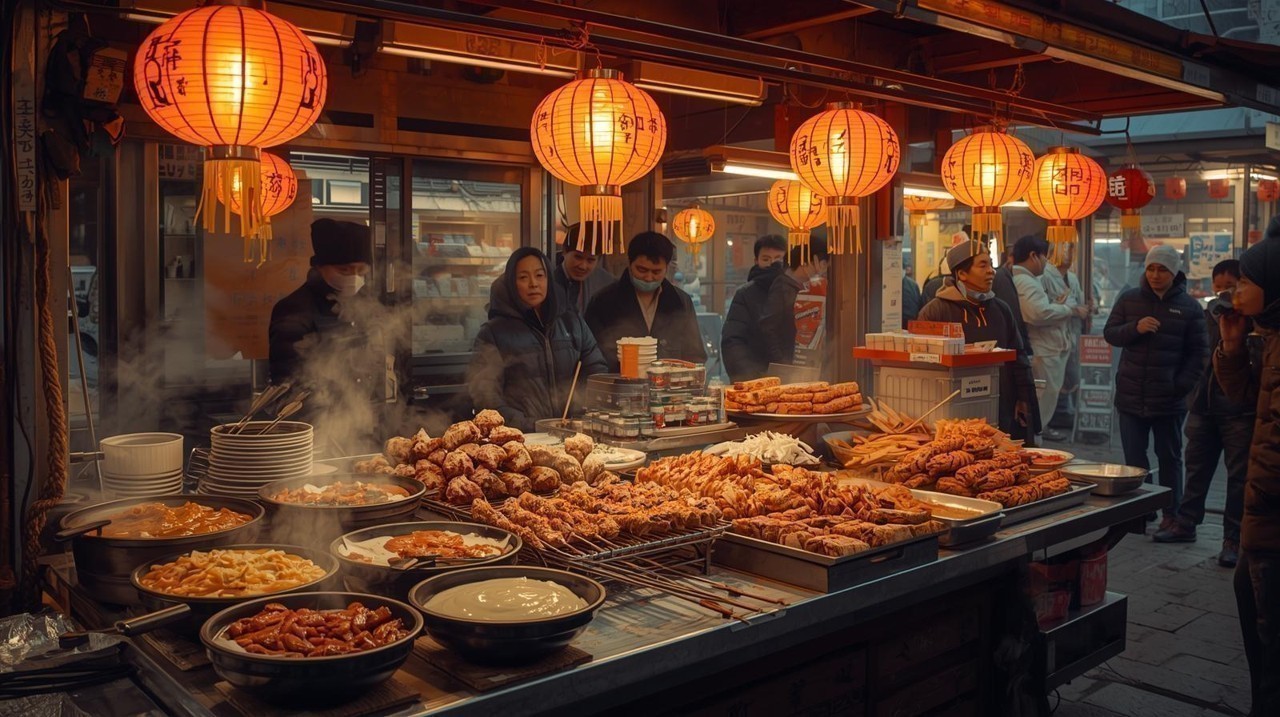
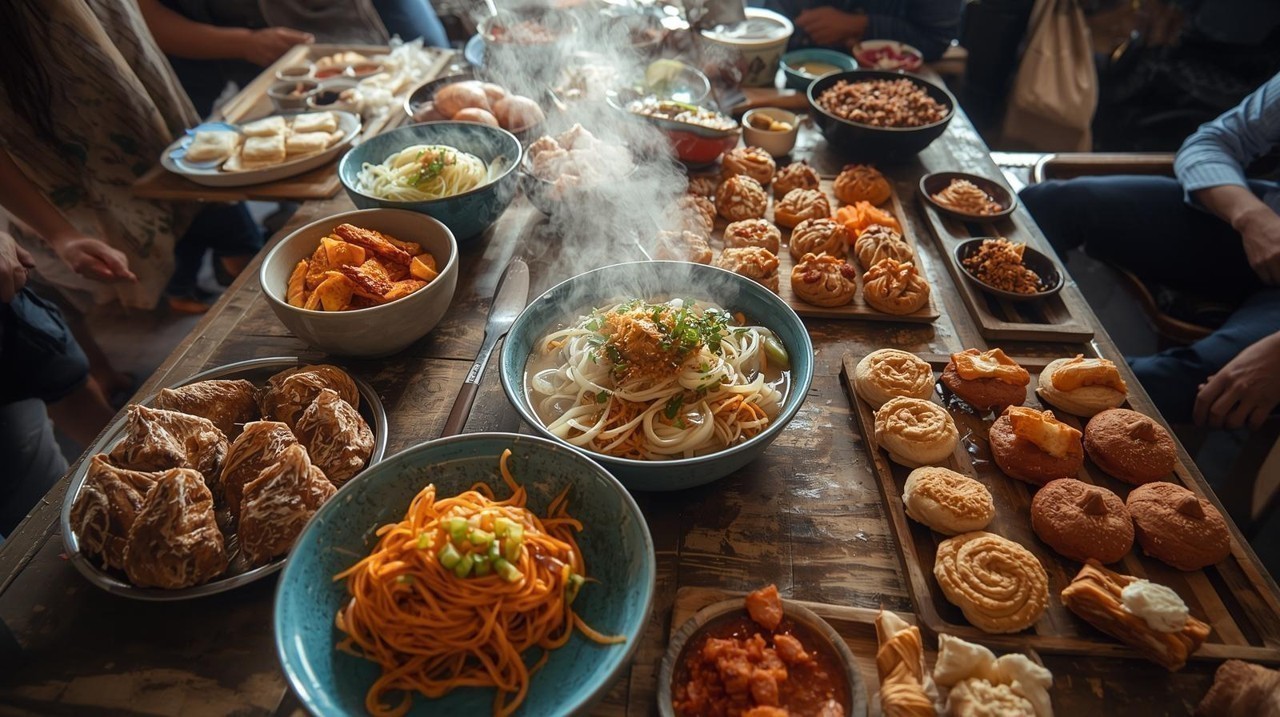
Food tourism is one of the most exciting reasons to travel internationally. Exploring local cuisines, street food, traditional markets, and iconic dishes adds a rich cultural layer to any trip. In 2026, certain countries stand out not just for delicious food but for diversity of flavors, food culture experiences, market scenes, street food variety, and cooking classes or food tours that make visiting as much about taste as it is about sights. Below is a comprehensive guide to the best countries for food tourism in 2026.
What Makes a Country Great For Food Tourism
A top food tourism destination typically has:
• Rich culinary heritage and distinct regional foods
• Vibrant street food culture
• Affordable and diverse eating options
• Cooking classes, market tours, and food experiences
• Accessible ingredients, fusion flavors, and unique drinks/desserts
These countries attract travellers who travel for food alone, as well as those who want to experience culture through taste.
JAPAN – Precision, Tradition & Modern Innovation
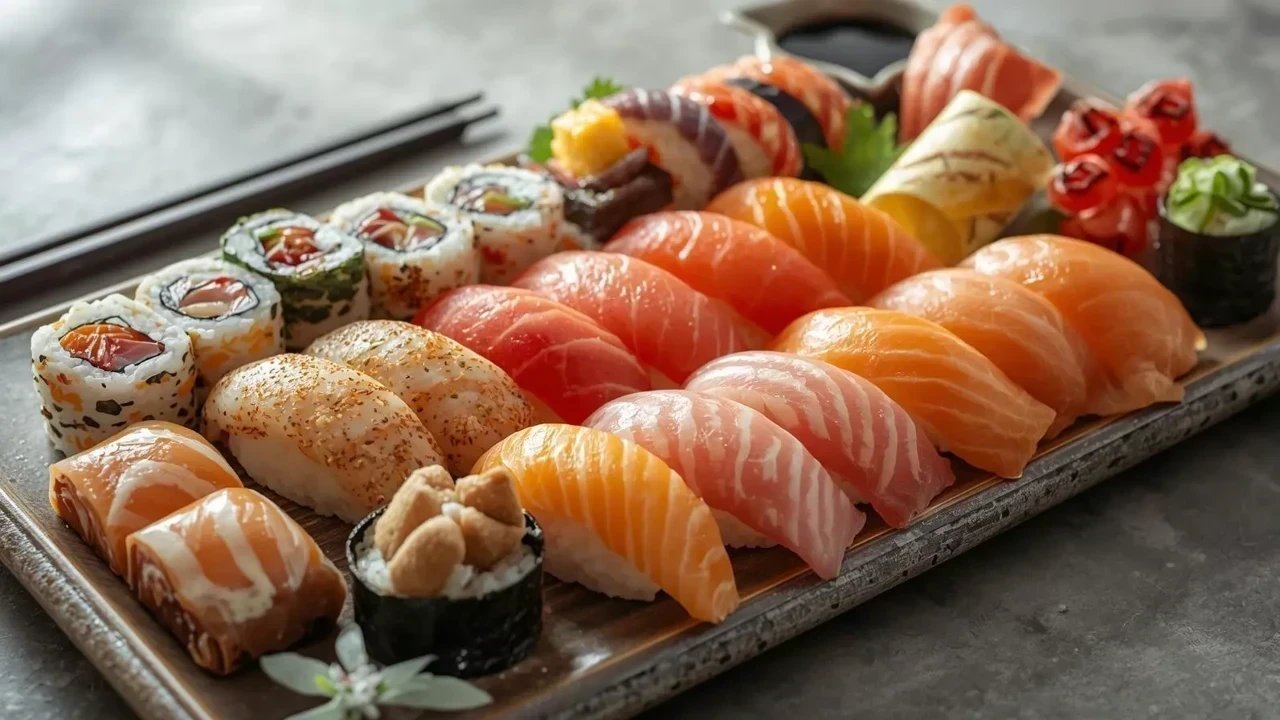
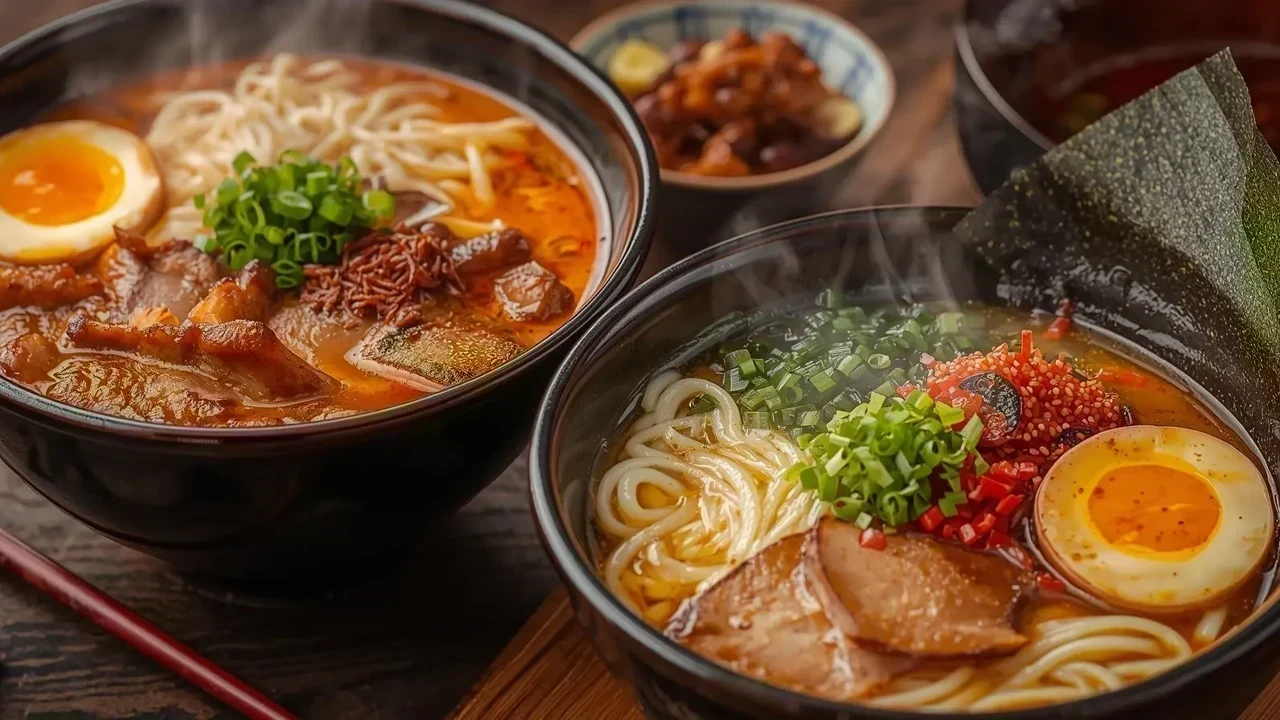
Japanese cuisine balances tradition with creativity. Sushi, ramen, tempura, yakitori, and wagashi (traditional sweets) draw food lovers worldwide, while regional specialities like Osaka’s okonomiyaki, Fukuoka’s tonkotsu ramen, and Kyoto’s kaiseki introduce deep culinary layers. Japan’s food scene ranges from Michelin-star dining to tiny local izakayas, making it ideal for both fine-dining seekers and street food explorers. The culture of food presentation and clean flavours makes Japan especially exciting for international food tourists.
ITALY – Timeless Classics & Regional Diversity
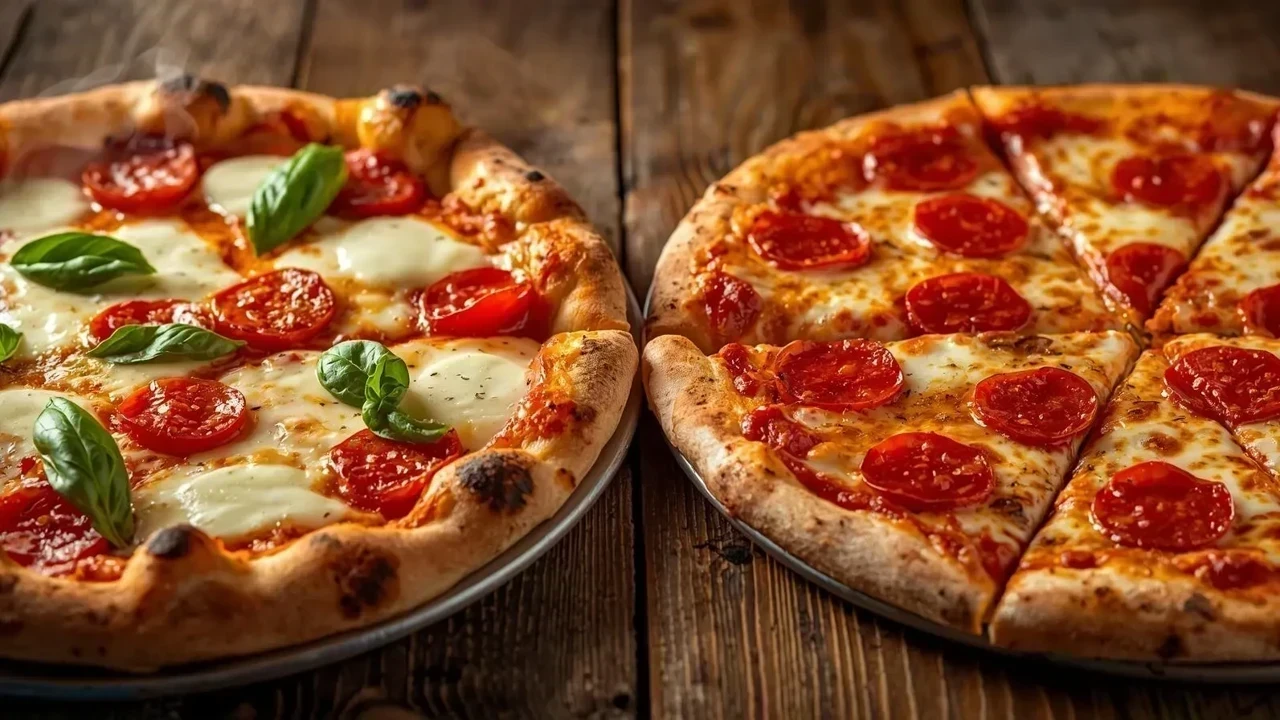
Italy remains a global favorite for culinary travel. From pizza in Naples and pasta in Bologna to gelato in Florence and seafood in Sicily, Italian food is regional and abundant. Tuscany’s wine culture, Parma’s prosciutto, and Rome’s carbonara are iconic, while markets like Mercato Centrale in Florence and Testaccio in Rome offer immersive food experiences. Italians take pride in seasonal ingredients and long mealtimes, giving food tourists plenty of delicious reasons to stay longer.
THAILAND – Street Food and Flavor Explosion
Thailand’s food culture is legendary for bold balances of sweet, sour, salty, and spicy. Street food in Bangkok, Chiang Mai, and Phuket is famous globally. Dishes like pad Thai, som tam (papaya salad), tom yum, green curry, and mango sticky rice are widely loved and found in street stalls and markets. Food tours, floating markets, and cooking classes make Thailand a top destination for immersive food tourism.
MEXICO – Authentic Street Food and Bold Flavors
Mexico is a must-visit for food lovers who appreciate vibrant flavors and historical depth. Tacos al pastor, carnitas, mole, tamales, and chiles en nogada showcase regional variety. Markets like Mercado de la Merced in Mexico City and Oaxaca’s street food scene are unforgettable. Mexico’s food culture is deeply tied to tradition, celebrations, and daily life, making it rich for exploration.
INDIA – Spice Trails and Regional Culinary Diversity
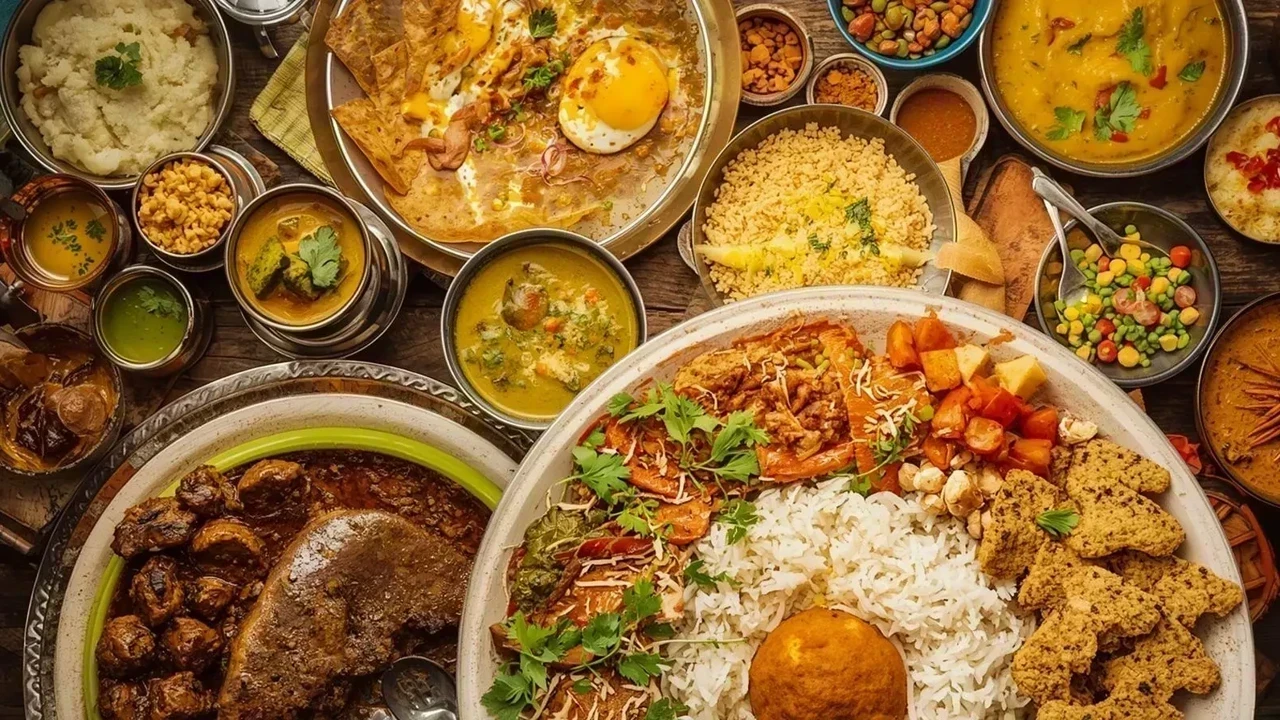
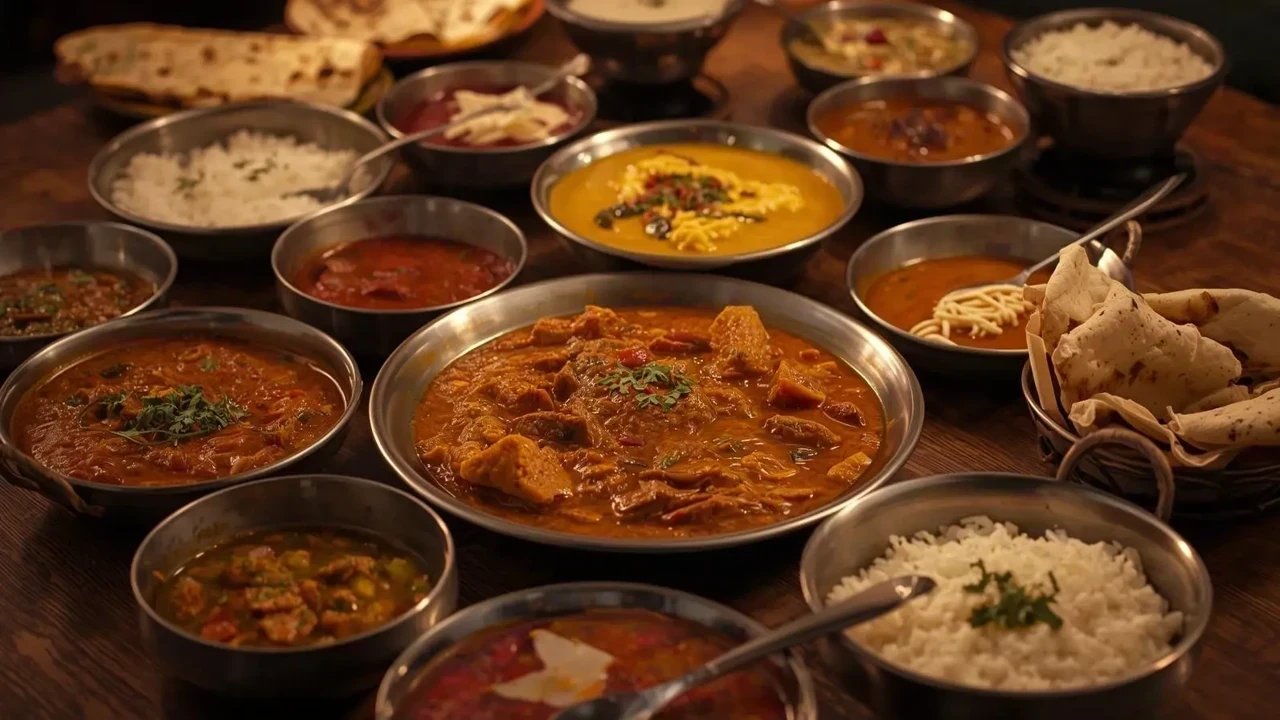
India offers a food journey like no other, with each region presenting distinct flavor profiles. From the tandoors of Punjab and biryanis of Hyderabad to the dosas of South India and sweets of Bengal, India’s culinary diversity is immense. Street food in Delhi, Kolkata, Mumbai, and Jaipur is iconic, while Ayurvedic food tours, spice markets, and local cooking experiences offer deeper cultural context. Travellers can enjoy vegetarian, vegan, and meat-based cuisines with rich spice heritage.
FRANCE – Classic Techniques and Pastry Mastery
France remains a center of culinary excellence. Fine dining, boulangeries, patisseries, cheese culture, and wine regions make it essential for food tourists. Parisian markets, Lyon’s bouchons, Bordeaux’s wine estates, and Provence’s olive oil and herbs provide multifaceted food experiences. Desserts like macarons, éclairs, and crème brûlée add sweet explorations. Food education, from cheese tasting to wine pairing, reinforces France’s standing as a food tourism capital.
SPAIN – Tapas, Wine, and Regional Specialities
Spain’s culinary scene is energetic and social, built around tapas culture, fresh seafood, and vibrant markets. Barcelona, Madrid, San Sebastián, and Seville each offer unique dishes — patatas bravas, paella, pintxos, jamón ibérico — paired with local wines and sherries. La Boqueria Market in Barcelona and Mercado de San Miguel in Madrid are highlights for food exploration. Spain’s food festivals and culinary tours add experiential depth for travellers.
VIETNAM – Fresh Ingredients and Street Delights
Vietnam’s cuisine is globally loved for freshness and balance. Pho, banh mi, fresh spring rolls, bun cha, and strong coffee are staples that every traveller seeks. Street food culture thrives in Hanoi, Ho Chi Minh City, and Hoi An. Local markets and food streets offer affordable and authentic culinary experiences. Cooking classes and market tours help travellers understand ingredients and techniques.
TURKEY – East Meets West on the Plate
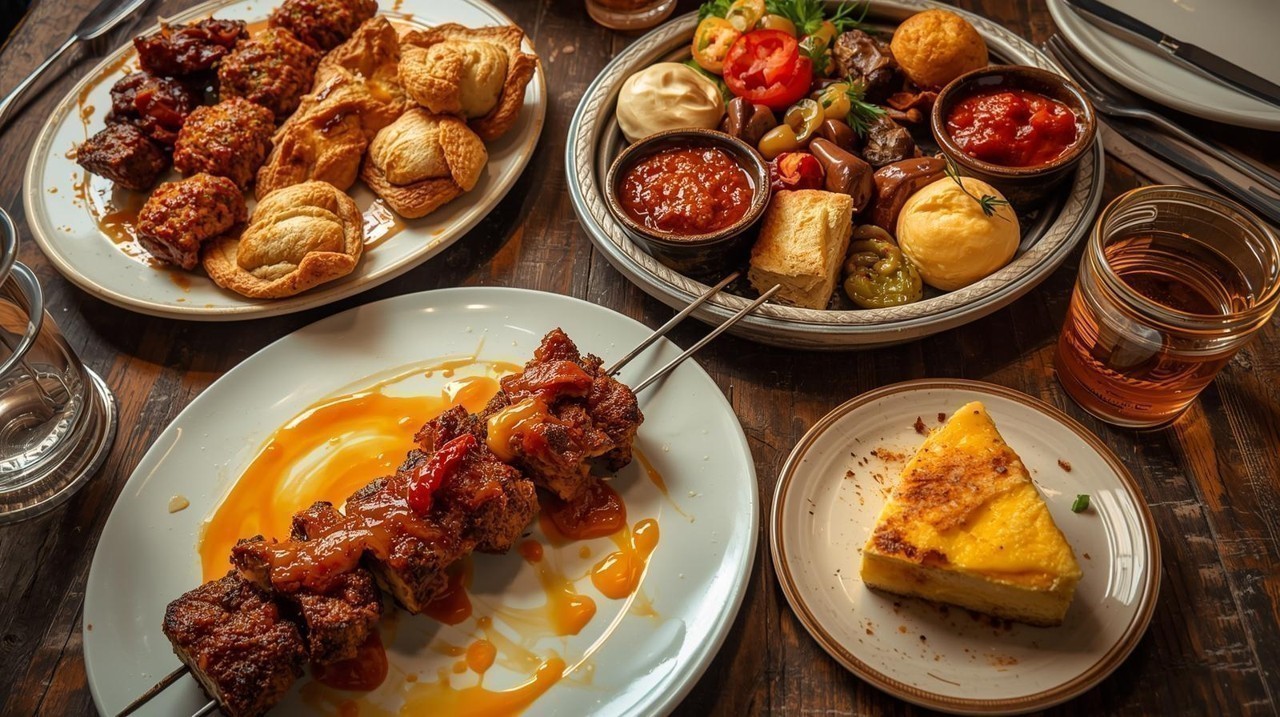
Turkey bridges Europe and Asia with bold flavors and rich tradition. Kebabs, mezes, baklava, Turkish delight, pide, and rich coffee culture make it a dynamic food destination. Markets like the Grand Bazaar and Spice Bazaar in Istanbul offer spices, sweets, and local ingredients. Food tours combine history, architecture, and taste, making Turkey ideal for travellers who enjoy food with cultural storytelling.
MOROCCO – Spices, Tagines and Ancient Markets
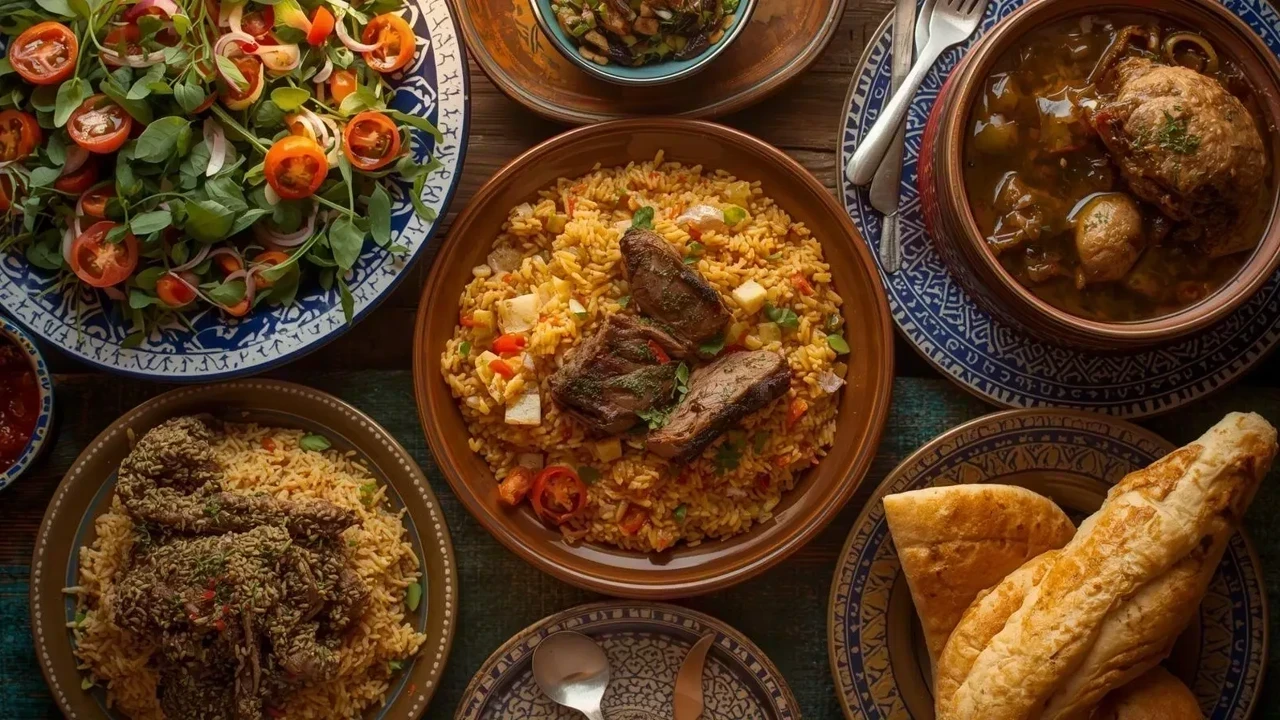
Moroccan cuisine is an aromatic journey with spices, couscous, tagines, teas, and grilled meats. Marrakech’s Jemaa el-Fnaa and Fez’s markets are sensory experiences where food and culture meld. Local street food stalls, spice shops, and home-style cooking tours show how history, trade routes, and tradition influence Moroccan food. Mint tea, pastries, and slow-cooked stews bring a unique taste profile.
JAPANESE DESSERT CULTURE – A TRAVEL NICHE (BONUS)
Though part of Japan’s scene, dessert trends like matcha sweets, wagashi, mochi ice cream, and Japanese cheesecakes are travel attractions on their own. Dessert cafés and visual innovations often make food tourism memorable even for sweet lovers.
Affordable Food Tourism Practices
To make the most of food tourism on a budget:
• Eat at local markets and street stalls rather than only high-end restaurants
• Take food tours and market walks to learn history and techniques
• Join cooking classes or culinary workshops for immersive experiences
• Visit local bakeries, spice markets, and cafés to understand everyday food culture
• Plan travel during off-peak seasons to save on expenses and crowd-free food experiences
Why Food Tourism Is More Than Meals
Food tourism connects travellers to history, culture, daily life, agriculture, and community. Eating local opens conversations, teaches traditions, and creates lasting memories. It also makes travel richer and more personal than sightseeing alone.
Conclusion
In 2026, the world’s best food tourism countries span continents and culinary styles — from the fresh simplicity of Vietnam and bold traditions of Mexico to classic techniques of France and vibrant markets of Turkey. Whether through street food, fine dining, markets, or cooking classes, these destinations offer unforgettable experiences for food lovers on every budget.
Disclaimer: Food availability, prices, and travel conditions may vary. Always check local guidelines and culinary experiences before planning your trip.