Japanese Ramen Types Explained: Tonkotsu, Shoyu, Miso & Regional Styles
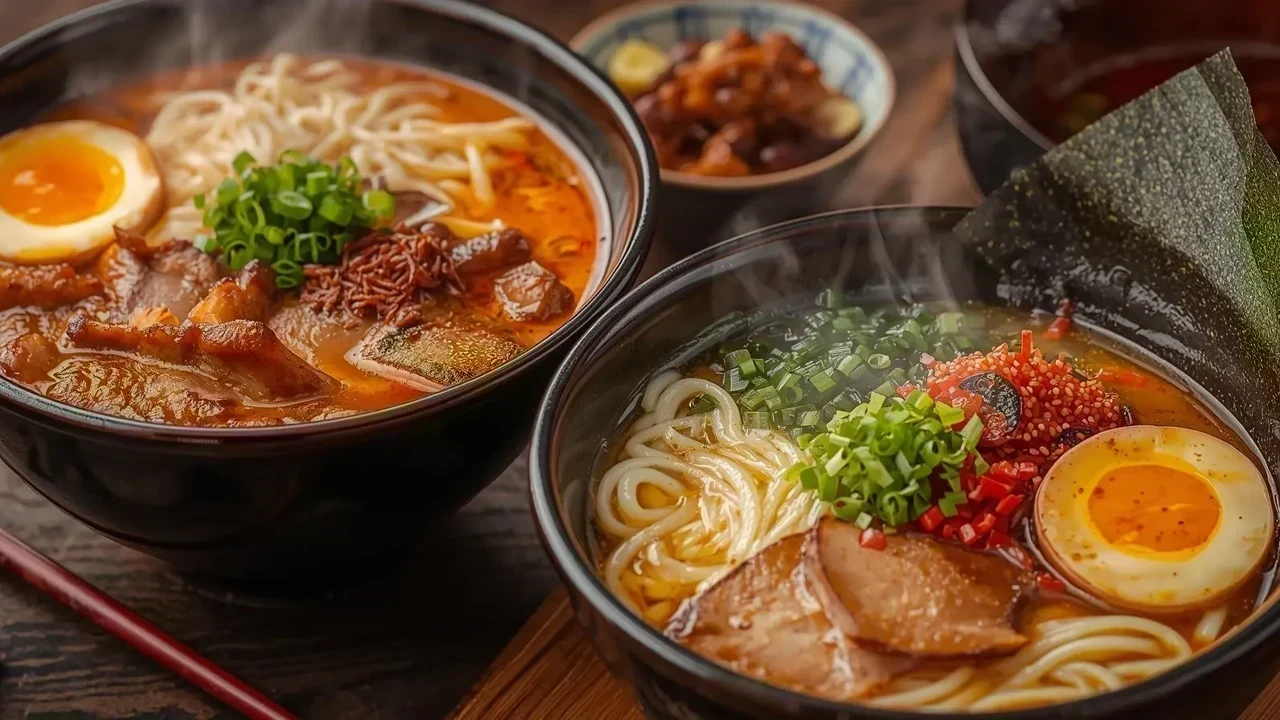
Japanese ramen is far more than just noodles in broth. It is a deeply regional, cultural dish with countless variations shaped by climate, local ingredients, and historical influences. From rich pork-based broths to light soy-flavored soups and bold miso creations, ramen styles differ widely across Japan. This guide explains the most popular ramen types, including Tonkotsu, Shoyu, Miso, and key regional styles, helping travelers and food lovers understand what to expect and what to try.
What Makes Ramen Different Across Japan
Ramen varies mainly due to four elements: broth base, seasoning (tare), noodles, and toppings. Each region emphasizes different combinations based on local taste preferences and available ingredients. Climate also plays a role, with colder regions favoring richer broths and warmer regions preferring lighter flavors.
Tonkotsu Ramen Explained
Tonkotsu ramen originates from Fukuoka in southern Japan and is known for its intensely rich and creamy broth made by boiling pork bones for many hours until collagen and marrow break down.
Broth profile
-
Thick, milky white pork bone broth
-
Deep umami flavor with a rich mouthfeel
Noodles -
Thin, straight noodles that pair well with the heavy broth
Common toppings -
Chashu pork slices
-
Soft-boiled egg
-
Green onions
-
Wood ear mushrooms
Tonkotsu ramen is filling, indulgent, and often considered the boldest ramen style. It is especially popular among those who enjoy strong flavors and creamy textures.
Shoyu Ramen Explained
Shoyu ramen is one of the oldest and most widely available ramen styles in Japan. It originated in Tokyo and is characterized by its clear, brown broth seasoned with soy sauce.
Broth profile
-
Light to medium-bodied broth made from chicken, seafood, or a mix
-
Salty, savory flavor from soy sauce
Noodles -
Medium-thin, slightly curly noodles
Common toppings -
Chashu pork
-
Bamboo shoots
-
Nori seaweed
-
Green onions
Shoyu ramen offers a balanced and comforting taste. It is less heavy than Tonkotsu and suitable for those who prefer a classic, everyday ramen experience.
Miso Ramen Explained
Miso ramen comes from Hokkaido, Japan’s northernmost island, and is designed to withstand cold climates with its hearty and warming profile.
Broth profile
-
Rich broth flavored with fermented soybean paste
-
Deep, slightly sweet and salty taste
Noodles -
Thick, curly noodles that hold the dense broth
Common toppings -
Corn
-
Butter
-
Bean sprouts
-
Ground pork
Miso ramen is bold and filling, often considered the most flavorful and robust ramen type. It is especially popular in winter and among travelers seeking comfort food.
Shio Ramen Explained
Shio ramen is the lightest and most delicate ramen style. It uses salt as the main seasoning and often highlights the natural flavor of the broth ingredients.
Broth profile
-
Clear, light, and clean-tasting
-
Often seafood or chicken-based
Noodles -
Thin, straight noodles
Common toppings -
Chicken slices
-
Fish cake
-
Seaweed
-
Green onions
Shio ramen is ideal for those who enjoy subtle flavors and a lighter meal without heaviness.
Famous Regional Ramen Styles in Japan
Japan’s regional ramen styles go beyond the main categories and showcase local creativity.
Hakata ramen (Fukuoka) is a Tonkotsu-based ramen with ultra-thin noodles and customizable firmness.
Sapporo ramen (Hokkaido) is a miso-based style known for corn, butter, and rich broth.
Kitakata ramen (Fukushima) features soy-based broth with thick, flat noodles.
Onomichi ramen (Hiroshima) combines soy sauce broth with chicken and small fish, topped with floating pork fat.
Wakayama ramen blends soy sauce and pork bone broth, offering a balance between Shoyu and Tonkotsu styles.
These regional variations reflect local taste preferences and make ramen exploration exciting across Japan.
Noodle Types and Their Importance
Noodles are as important as the broth. Thickness, curl, and firmness affect how the ramen tastes and feels.
Thin noodles work best with rich broths like Tonkotsu. Thick or curly noodles are ideal for heavier broths like miso. Many ramen shops allow diners to choose noodle firmness, especially in Tonkotsu ramen.
Ramen Toppings and Customization
Ramen toppings vary by region and shop, but common additions include pork slices, eggs, seaweed, bamboo shoots, and green onions. Some regions add butter, corn, or seafood. Customization options often include spice level, garlic, and noodle texture.
Which Ramen Type Is Best for First-Time Visitors
For first-time ramen eaters, Shoyu ramen is often the safest starting point due to its balanced flavor. Those who enjoy rich and creamy soups may prefer Tonkotsu, while travelers visiting colder regions often fall in love with miso ramen. Shio ramen is ideal for lighter appetites.
Ramen Culture and Eating Etiquette
Ramen is traditionally eaten quickly while hot. Slurping noodles is acceptable and even encouraged, as it enhances flavor and cools the noodles. Most ramen shops are casual and focus on efficiency rather than long dining experiences.
Final Thoughts on Japanese Ramen Styles
Japanese ramen is a reflection of regional identity, climate, and culinary innovation. Tonkotsu delivers richness, Shoyu offers balance, Miso provides warmth and depth, and regional styles add endless variety. Exploring different ramen types across Japan allows travelers to experience the country through one of its most beloved dishes.
Disclaimer
This article is for informational purposes only. Ramen recipes, flavors, and preparation methods may vary by region and restaurant. Taste preferences are subjective, and availability can differ depending on location and season.