Arab Women’s Timeless Glow: Natural Beauty Secrets You Should Know
Across the Middle East, Arab women are widely admired for their glowing skin, calm nature, and graceful presence. Their beauty looks natural and long-lasting. It does not come from fast-changing trends, viral beauty products, or heavy makeup. Instead, it is built slowly through daily habits, family traditions, and respect for nature and the body.
What truly makes Arab women stand out is not just their appearance, but the way they take care of themselves. Their beauty methods are simple and practical. These habits are usually learned at home, from mothers and grandmothers, and followed quietly for years. That is why their glow feels real and timeless.
Beauty Is Part of Everyday Life
For Arab women, beauty is not something saved for weddings, parties, or special days. It is part of everyday life. Even on normal days, they follow small routines to care for their skin and body. There is a strong belief that skin remembers how it is treated over time.
They do not rush to see quick results. Instead, they follow routines that they can continue for many years. This patient approach helps their skin stay healthy and age slowly. Beauty is seen as a long journey, not a short race.
Natural Ingredients Are Trusted More
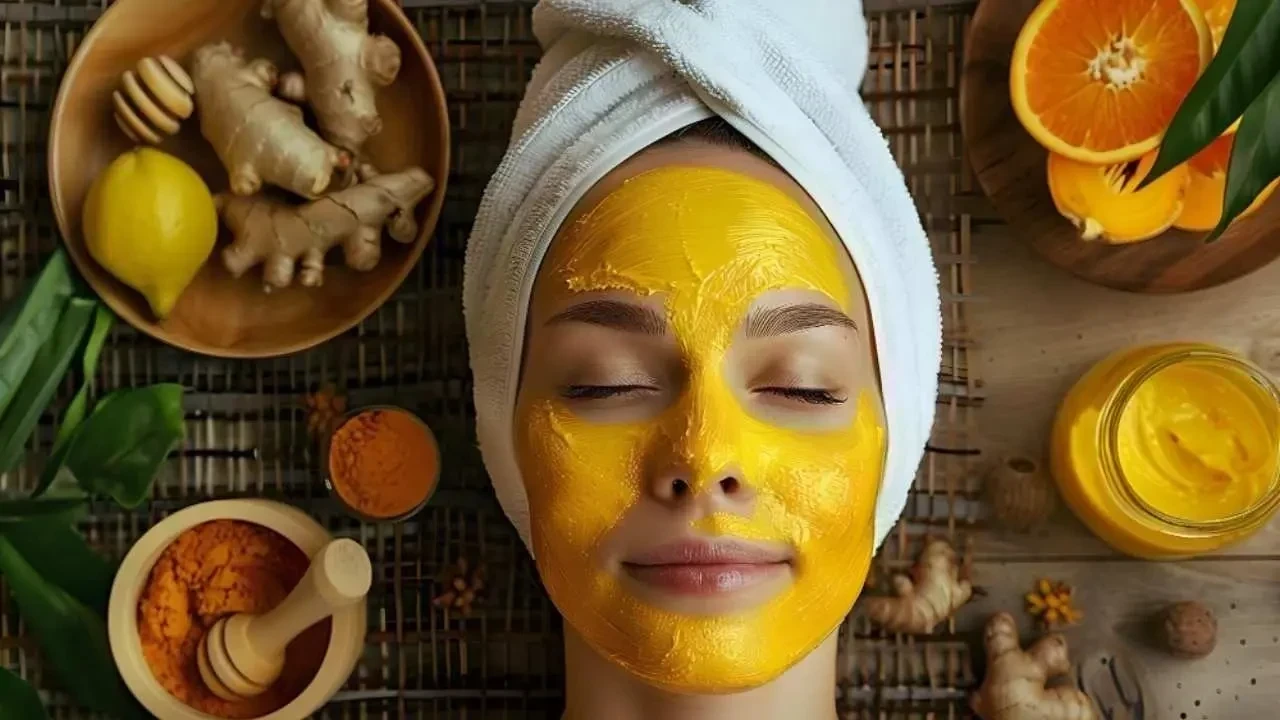
One of the biggest reasons behind their glow is the use of natural ingredients. Arab women prefer oils, herbs, flowers, and simple natural products over strong chemical cosmetics. These ingredients are gentle on the skin and work well in hot and dry weather.
Natural oils are used widely for both skin and hair care. Olive oil, black seed oil, and argan oil are common choices. These oils help keep the skin soft, repair damage, and add natural shine. Instead of changing products again and again, many women stick to the same natural remedies for years. This helps the skin stay balanced and strong.
Clean Skin Comes Before Makeup
Arab women believe that clean skin is the base of beauty. Daily cleansing is taken very seriously, especially because of heat, dust, and pollution. Washing away sweat and dirt helps the skin breathe and heal naturally.
Makeup is used, but not in excess. The idea is not to hide the face, but to highlight natural features. Heavy makeup is usually avoided in daily life. This keeps the pores clean and reduces problems like pimples, dullness, and early wrinkles. This habit plays a big role in keeping their skin fresh for a long time.
Rose Water Is a Daily Habit
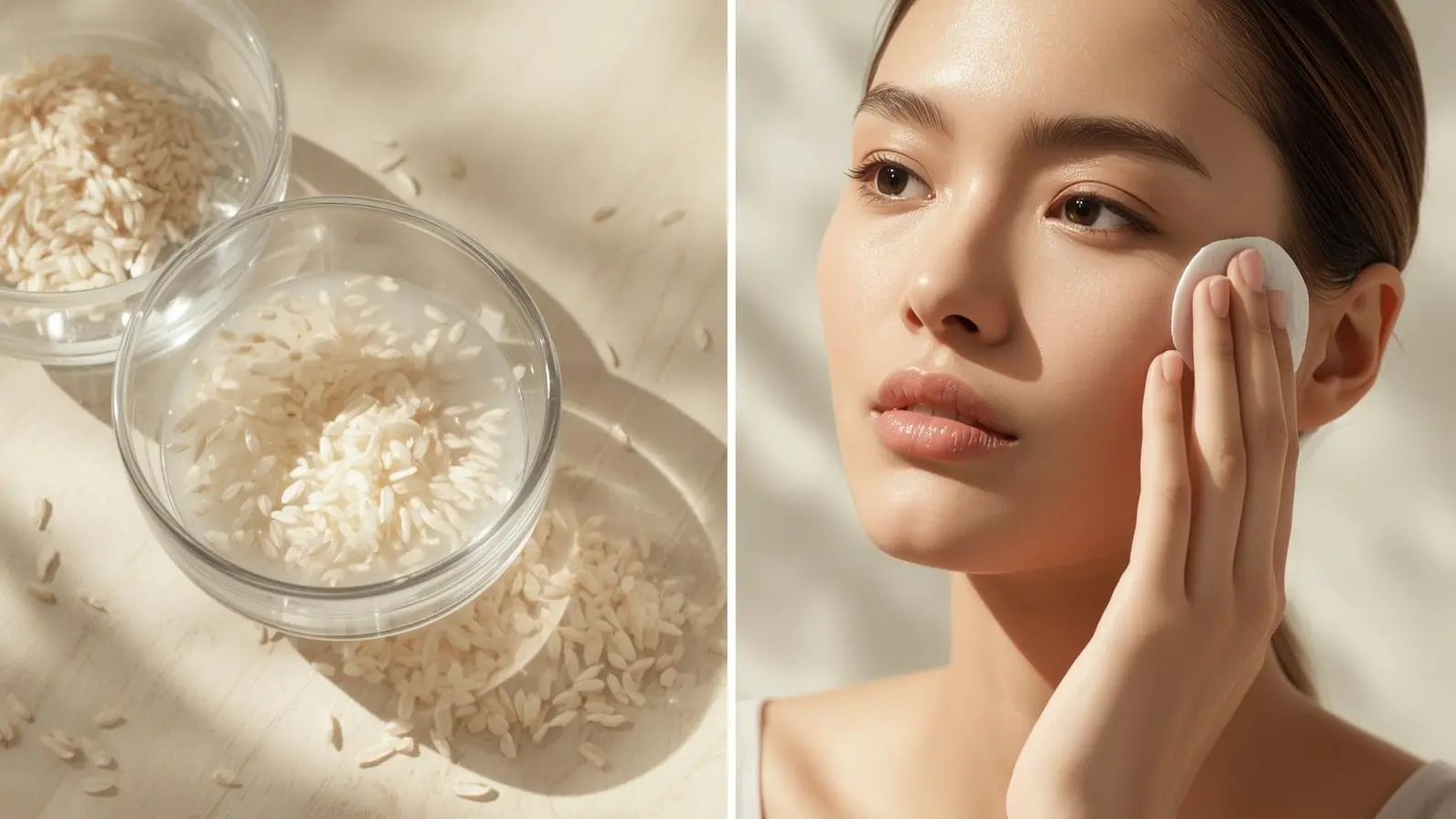
In many Arab homes, rose water is a daily essential. It is not seen as a luxury item. Women use it to refresh the face, calm the skin, and keep it bright. During hot days, rose water is often used several times a day.
It helps reduce redness and irritation and gives light moisture without making the skin oily. Because it is gentle, people of all ages can use it. This simple habit helps maintain soft and glowing skin throughout the day.
Eyes Show Beauty and Care
In Arab culture, eyes are very important. They are seen as the most expressive part of the face. That is why special care is given to them. Traditional kohl has been used for hundreds of years.
Kohl is not only for beauty. It also helps protect the eyes from dust, dryness, and strong sunlight. At the same time, it makes the eyes look deeper and more defined. This is one reason why Arab women’s eyes often look so powerful and attractive.
Clothing Helps Protect the Skin
Loose and modest clothing is a part of Arab culture, but it also helps in skin care. Covering the skin protects it from strong sunlight, dust, and dry air. This reduces sunburn, dark spots, and early aging.
By protecting their skin naturally, Arab women avoid many problems caused by long sun exposure. This quiet protection helps keep the skin smooth and youthful over the years.
Food Plays a Big Role in Beauty
Arab women strongly believe that beauty comes from inside the body as well. Their daily food often includes dates, nuts, honey, fruits, and plenty of water.
Dates are especially important. They are rich in natural energy, minerals, and antioxidants. They help improve skin quality and overall health. Drinking enough water is also very important, especially in hot regions. Eating well is seen as self-care, not as dieting or weight control.
Self-Care Is Never Rushed
One important beauty secret is time. Arab women do not rush their self-care routines. Oil massages, hair care, and traditional baths are done slowly and peacefully.
Stress is believed to harm both beauty and health. That is why rest and relaxation are given importance. Taking time for oneself is not considered wasteful. It is seen as necessary for a balanced life.
Confidence Brings Everything Together
More than products or routines, confidence completes the glow. Arab women carry themselves with dignity and calm strength. This inner confidence shows in the way they walk, speak, and look at the world.
Their beauty is not only on their skin. It is in their presence and attitude. True beauty, for them, begins with self-respect.
Arab women’s timeless glow is not magic. It is the result of natural care, regular habits, strong traditions, and self-respect. While many people today look for fast beauty solutions, their approach teaches an important lesson.
Real beauty grows slowly. It grows with patience, care, and consistency. It is not about changing who you are, but about caring for yourself every single day.
Disclaimer
This article is written for general information and cultural understanding only. The beauty practices mentioned are based on traditional habits and lifestyle observations, and results may vary from person to person depending on skin type, health condition, age, and environment. Readers should always do a patch test before using any new skincare product or natural ingredient.
The information shared in this article is not intended to diagnose, treat, cure, or prevent any skin or health condition. For personal concerns, allergies, or long-term skin issues, readers are strongly advised to consult a qualified dermatologist, skincare expert, or healthcare professional. This content should not be considered a substitute for professional medical or dermatological advice.