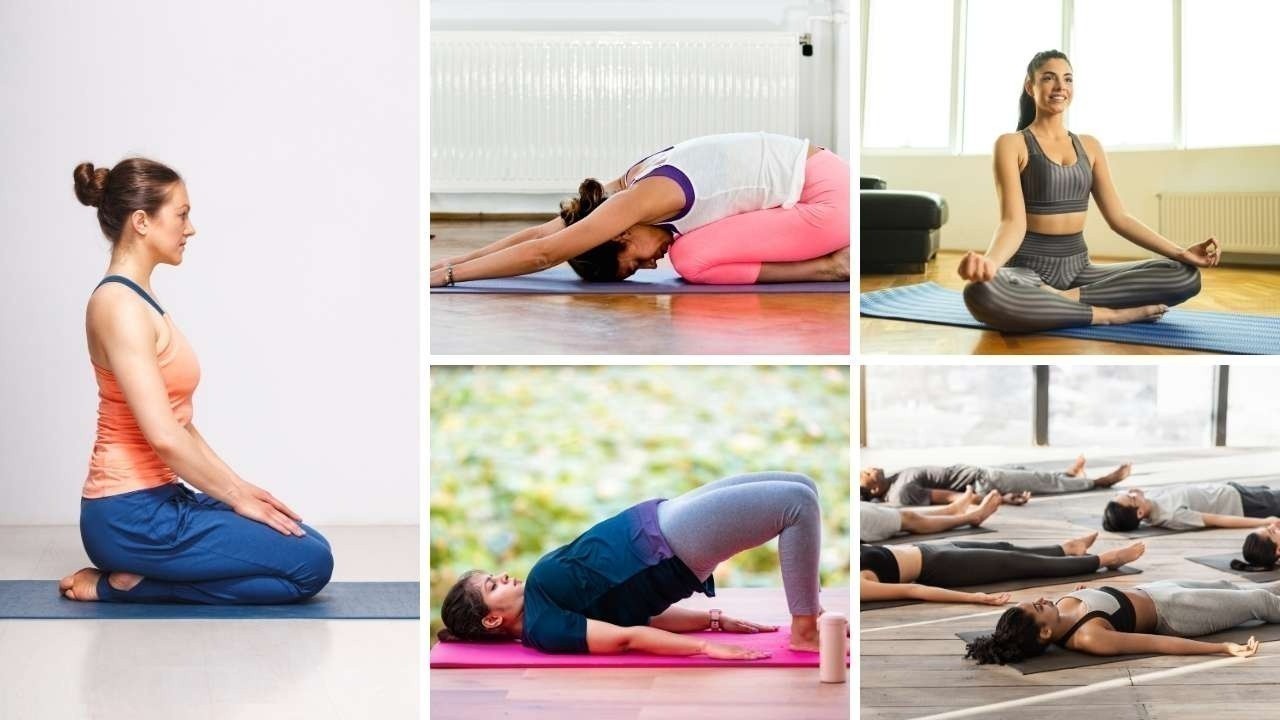
5 Yoga Poses for Blood Pressure: A Simple Winter Routine to Keep Your Heart Healthy
Winter may feel peaceful and cozy, but it also brings certain changes in the body that can affect health—especially for people who deal with blood pressure issues. When the weather becomes cold, our blood vessels tighten, circulation slows down, and the body uses more energy to stay warm. At the same time, people tend to exercise less and eat heavier meals during winter. All these factors can quietly cause a rise in blood pressure.
The good thing is that a few minutes of yoga each day can help manage this problem naturally. Yoga helps relax the mind, warms the body, and improves blood flow without putting any strain on the heart. You don’t need a gym or special equipment—just a comfortable place and a little time every day.
Here is a simple and detailed guide to five yoga poses that are especially useful in winter to keep your blood pressure balanced and your heart healthy.
1. Vajrasana (Thunderbolt Pose)
During winter, digestion often becomes slow because the body works harder to stay warm. Heavy meals or low activity can make digestion even more sluggish, which indirectly affects blood pressure. Vajrasana is one of the best winter yoga poses because it supports digestion and keeps the internal system active.
How to Do It
-
Sit on your knees with your feet folded under your hips.
-
Keep your back straight and relax your shoulders.
-
Place your hands on your thighs.
-
Close your eyes and breathe slowly.
-
Stay in this position for 5 to 10 minutes.
Benefits
-
Makes digestion smooth
-
Reduces gas and bloating
-
Improves blood circulation
-
Lowers mental stress
-
Keeps the body warm from inside
This pose is especially helpful after meals, when winter digestion tends to be slow.
2. Balasana (Child’s Pose)
Cold weather forces people indoors, which often leads to stress or restlessness. Stress is one of the major causes of sudden blood pressure spikes. Balasana is a calming pose that helps you relax deeply.
How to Do It
-
Kneel down and gently bend forward.
-
Stretch your arms in front and rest your forehead on the floor.
-
Keep your breathing slow and relaxed.
-
Stay in the pose for 1 to 3 minutes.
Benefits
-
Offers deep mental relaxation
-
Reduces stress-related blood pressure increase
-
Calms the nervous system
-
Relieves shoulder and back tension
Practising this pose before bedtime in winter can help with better sleep and steadier blood pressure.
3. Setu Bandhasana (Bridge Pose)
In winter, blood flow in the body becomes slower due to tight blood vessels. Setu Bandhasana helps open the chest area and improves circulation to the heart.
How to Do It
-
Lie down on your back and bend your knees.
-
Keep your feet hip-width apart.
-
Slowly lift your hips upward.
-
Hold the pose for 10–15 seconds and then relax.
-
Repeat 3 to 5 times.
Benefits
-
Boosts blood flow
-
Strengthens the heart
-
Reduces tiredness
-
Helps maintain healthy blood pressure
Doing this pose in the morning helps warm up the body and improve heart function.
4. Sukhasana (Easy Sitting Pose)
Winter days are shorter, and sunlight is limited. This often affects people’s mood and energy, leading to stress or anxiety. Sukhasana is a simple sitting pose that helps you stay calm and grounded.
How to Do It
-
Sit cross-legged on the floor.
-
Keep your back straight and shoulders relaxed.
-
Close your eyes and take slow, deep breaths.
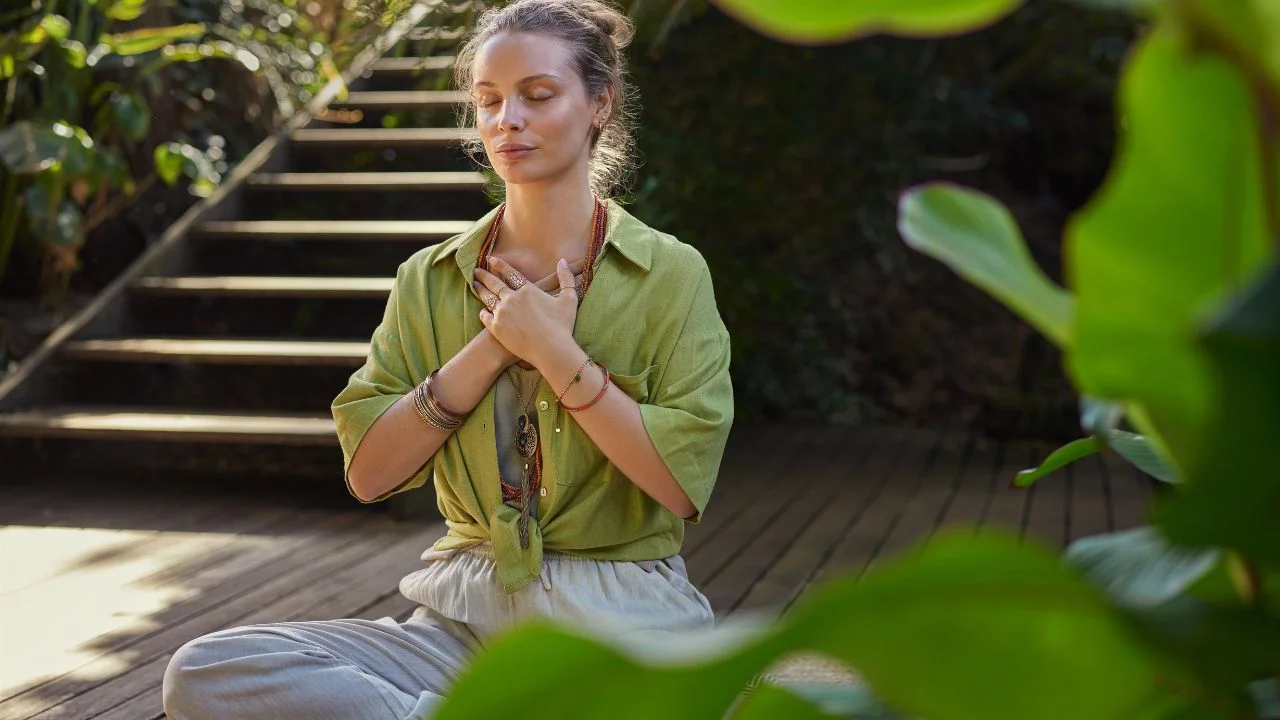
-
Stay in this pose for 5 minutes or more.
Benefits
-
Calms the mind
-
Helps keep blood pressure balanced
-
Increases focus
-
Reduces anxiety and emotional tension
This pose is helpful both in the morning and in the evening, especially during the winter season.
5. Shavasana (Corpse Pose)
Winter often makes the body feel heavier and more tired. Shavasana is a full-body relaxation pose that helps lower stress levels and stabilise blood pressure.
How to Do It
-
Lie flat on your back.
-
Keep your arms and legs slightly apart.
-
Close your eyes and let your body relax completely.
-
Breathe naturally for 5–10 minutes.
Benefits
-
Reduces mental pressure
-
Lowers heart rate
-
Relaxes the entire body
-
Supports healthy blood pressure
Shavasana is perfect to end your yoga routine or to take a break during a stressful winter day.
Winter Yoga Tips for Better Blood Pressure Control
For best results, keep these simple winter tips in mind:
-
Do yoga in a warm room.
-
Wear comfortable, warm clothes.
-
Drink warm water before starting.
-
Move gently — don’t force any pose.
-
Practise daily, even if only for 10–15 minutes.
Winter can quietly affect blood pressure because of cold temperatures, reduced activity, and increased stress. But adding a short yoga routine to your day can help you manage these problems naturally. These five poses—Vajrasana, Balasana, Setu Bandhasana, Sukhasana, and Shavasana—are simple, calming, and highly effective.
With regular practice, you can keep your blood pressure under control, protect your heart, and feel warm, active, and relaxed throughout the winter season.
Disclaimer
This article is meant for general awareness and should not be taken as medical advice. Everyone’s body is different, and yoga may not be suitable for all. If you have high blood pressure, heart disease, dizziness, joint pain, recent surgery, or any ongoing medical condition, talk to your doctor or a certified yoga expert before trying these poses.
Stop immediately if you feel pain, discomfort, or breathing difficulty during any pose. Practise yoga slowly, in a warm and safe space, and never push your body beyond its limits. Your health and safety should always come first.