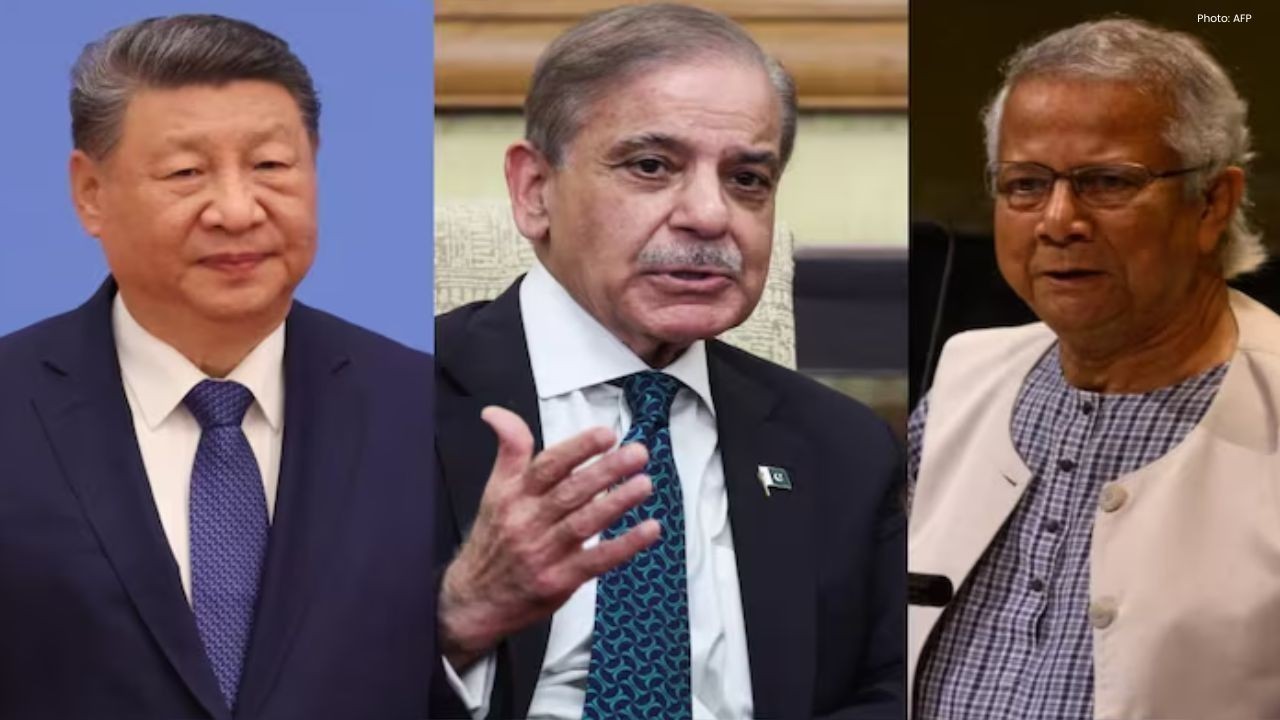
Pakistan is setting its sights on diminishing India’s enduring influence in South Asia by introducing a new regional framework. Recently, Deputy Prime Minister Ishaq Dar declared that Islamabad intends to widen its trilateral partnership with China and Bangladesh to incorporate more nations, promoting a vision of “open and inclusive regionalism.”
Dar emphasized that South Asia must move beyond “zero-sum perspectives, political fragmentation, and ineffective regional structures.” He voiced Pakistan’s aspiration for a region where conflicts are settled amicably, economies thrive collaboratively, and unity prevails over division.
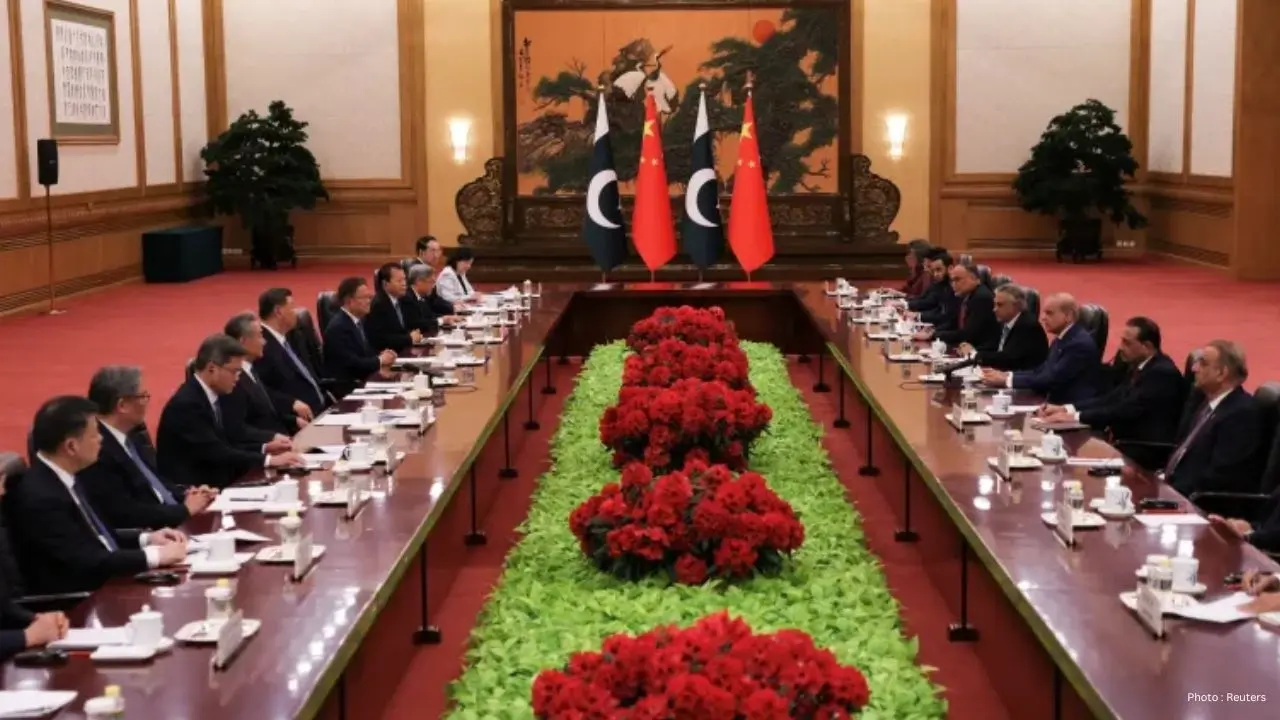
Earlier this year, a trilateral setup among Pakistan, China, and Bangladesh was formed to enhance mutual collaboration on key economic and strategic agendas. The inaugural formal meeting of this group occurred in Kunming in June. Dar indicated that this trilateral arrangement could potentially extend to other nations, hinting at a flexible model that is not reliant on any single state, subtly alluding to India.
The South Asian Association for Regional Cooperation (SAARC), founded in 1985, has seen minimal activity in recent years. Its original members—India, Pakistan, Bangladesh, Bhutan, the Maldives, Nepal, and Sri Lanka, with Afghanistan joining in 2007—aimed to foster economic growth, social progress, and cultural development throughout the region. However, SAARC summits have been sparse, with future meetings frequently canceled amidst rising tensions, particularly following cross-border incidents attributed to Pakistan. In response, India has turned its focus toward BIMSTEC, a regional coalition that excludes Pakistan and prioritizes practical cooperation.
Analysts suggest that Pakistan’s present initiative is more of a vision than an immediately feasible plan. Rabia Akhtar, director at the Centre for Security, Strategy and Policy Research (CSSPR), pointed out that while it demonstrates Pakistan’s desire to diversify regional cooperation, its viability will hinge on whether other countries perceive solid benefits and whether involvement poses political risks related to India.
India continues to hold a dominant position in South Asia, with its population, economy, defense budget, and foreign reserves significantly outpacing those of Pakistan. Smaller nations, such as Nepal and Bhutan, rely heavily on India for trade, crisis management, and regional programs, further emphasizing New Delhi’s crucial role.
Despite housing over two billion people, South Asia’s intra-regional trade is limited to roughly $23 billion, just 5% of the total regional commerce. Analysts believe that minimizing trade restrictions could potentially increase this figure to $67 billion, highlighting the region's economic promise through effective collaboration.
While Pakistan’s initiative represents an effort to reformulate regional cooperation amidst SAARC’s stagnation, the entrenched influence of India complicates the formation of any bloc that excludes it. The ultimate success of this strategy will rely on whether other South Asian countries perceive tangible benefits without jeopardizing relations with India.