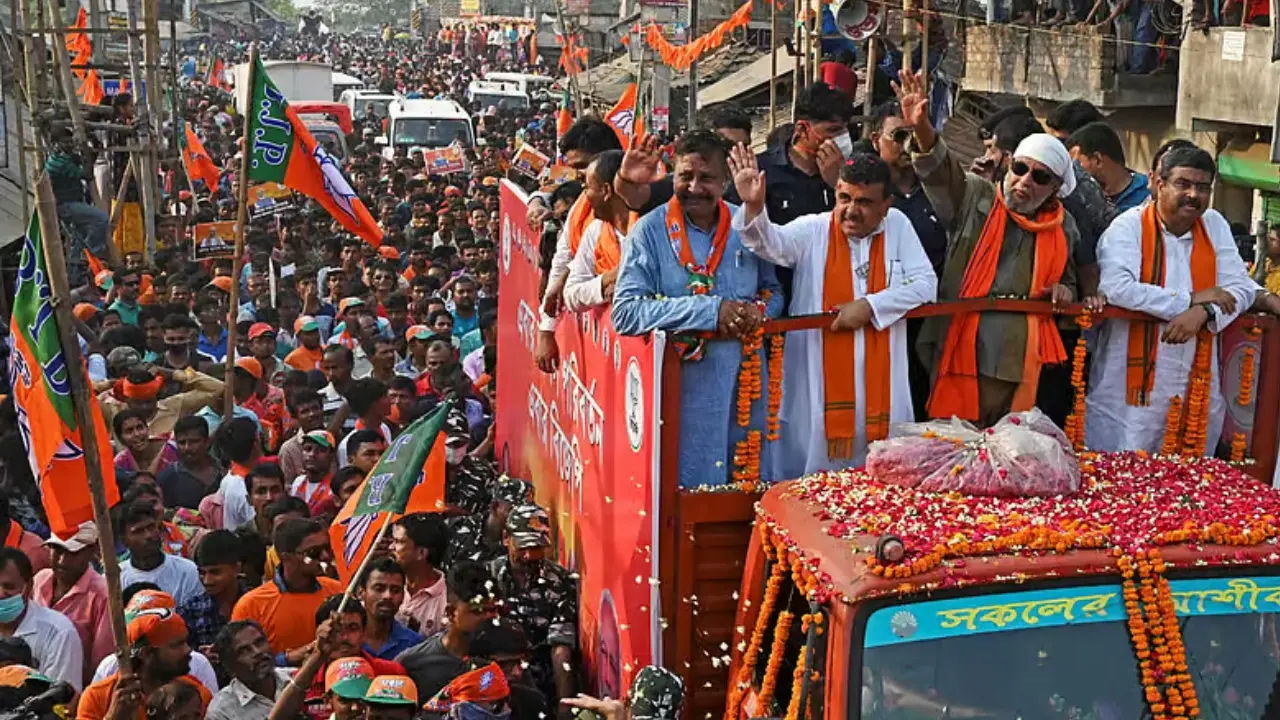
Prime Minister Narendra Modi’s recent request encouraging citizens to refrain from unnecessary international travel for a year has sparked concerns within India's outbound travel sector. Travel agencies and tourism analysts fear this could lead to a downturn in overseas holiday reservations during the crucial summer vacation period, particularly as soaring inflation and heightened travel expenses are already impacting consumer behavior.
The repercussions are likely to be most evident from April to June, a peak time when many Indian families traditionally travel abroad to popular destinations like Europe, Australia, Southeast Asia, and the Middle East during school breaks. Representatives from the travel industry noted that inquiries for overseas trips had already dropped by approximately 10 to 15 percent prior to the Prime Minister’s comments due to rising airfare and global economic uncertainties.
Industry leaders contend that Prime Minister Modi's significant influence could prompt many families to reschedule or even forgo international travel plans. Ravi Gosain, the president of the Indian Association of Tour Operators, remarked that citizens often heed the Prime Minister’s advice and may consider delaying overseas trips until the following year. This organization represents over 2,000 travel agencies across India.
The slowdown in travel coincides with escalating global oil prices due to unrest in the Middle East and the ongoing crisis in the Strait of Hormuz. With crude oil now exceeding 100 dollars a barrel, airline operating costs worldwide have surged, resulting in increased fuel surcharges and pricier international tickets. Furthermore, accommodations and transport expenses abroad have risen, making foreign holidays less accessible for many Indian travelers.
The Prime Minister has also urged citizens to cut down on fuel usage and limit spending on imported luxury items such as gold jewelry. This initiative aims to mitigate India’s substantial import bill in light of the current global economic and energy challenges. Following his address, financial markets reacted swiftly, with shares of leading travel booking agencies and airline-related firms experiencing noticeable declines.
Nevertheless, India’s tourism sector continues to be a vital contributor to the nation's economy, valued at over 231 billion dollars and supporting millions of jobs across the country. The outbound tourism segment is anticipated to grow significantly in the coming decade as increasing incomes, easier visa regulations, and social media continue to drive international travel interest among Indians.
Experts in the industry anticipate that the Prime Minister’s call might also stimulate growth in domestic tourism. Travel agencies could pivot towards highlighting Indian destinations as more economical choices in lieu of overseas vacations. Analysts believe that while the current climate may exert short-term pressure on travel entities, a decrease in global oil prices or reduced geopolitical tensions could reinvigorate international travel demand in the upcoming months.