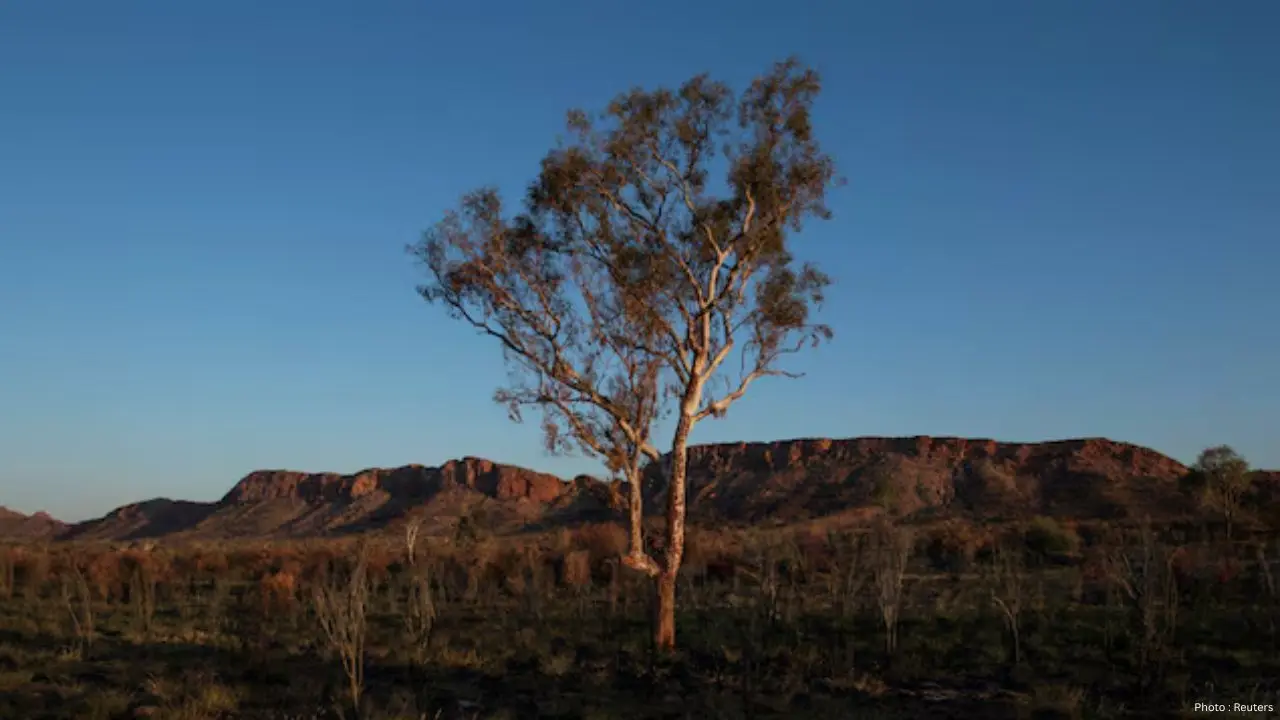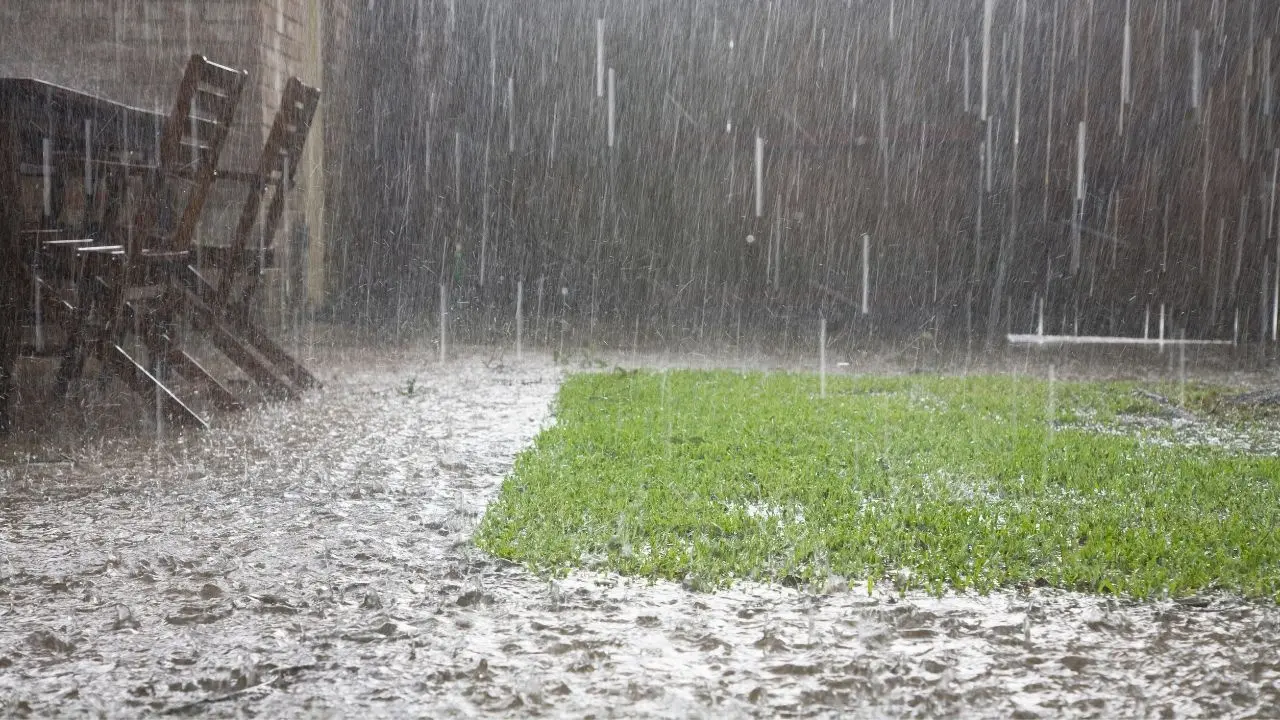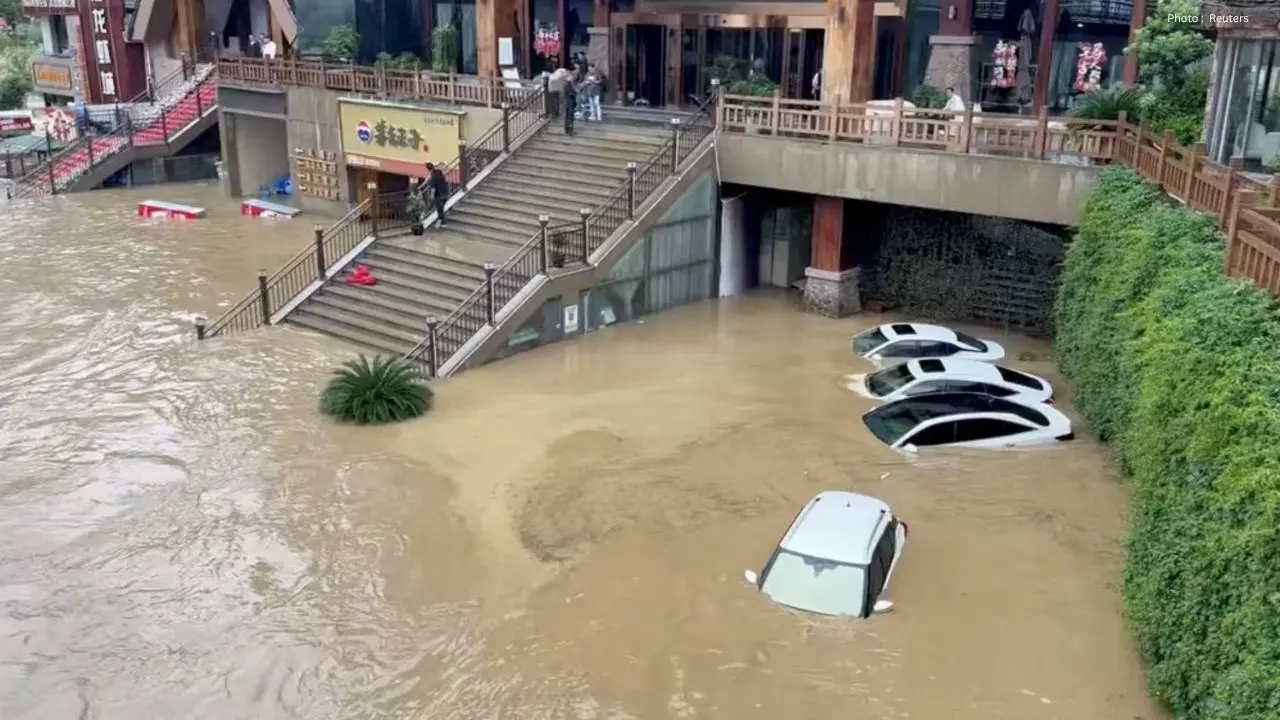
India faces critical challenges in water resource management as its growing population, urban expansion, and climate change strain available freshwater. Despite receiving around 4,000 billion cubic metres of rainfall annually, much of this water fails to be stored or utilized effectively. Experts indicate that the primary concern lies not only in water scarcity but also in the governance and management of these vital resources.
With nearly one-fifth of the global population, India has access to a mere four percent of the world's freshwater. Policy assessments reveal that approximately 600 million people endure high to extreme water stress levels. Challenges such as inconsistent rainfall, inadequate storage systems, groundwater depletion, and ineffective distribution exacerbate issues for urban and rural communities alike.
In response, governmental agencies and experts are prioritizing enhanced water governance through strategic planning, advanced irrigation methods, and technological innovations. Initiatives like wastewater recycling, rainwater harvesting, digital monitoring, and sustainable farming practices are being encouraged to enhance long-term water security. These reforms are essential for India to achieve its developmental aspirations and ensure stable economic progression by 2047.
The agriculture sector remains one of the largest consumers of water in India. Traditional irrigation techniques cause significant water wastage, especially in drought-prone regions. Authorities are promoting drip irrigation and sprinkler systems to optimize water use and boost crop yields. Additionally, several state governments have launched campaigns to raise awareness about water-efficient farming practices.
Urban water shortages are becoming increasingly pressing as demand surges. Major cities are now investing in wastewater treatment facilities, smart water supply systems, and groundwater recharge initiatives. Officials believe that treated wastewater could serve as a viable resource for industrial applications and non-potable uses, alleviating pressure on freshwater supplies.
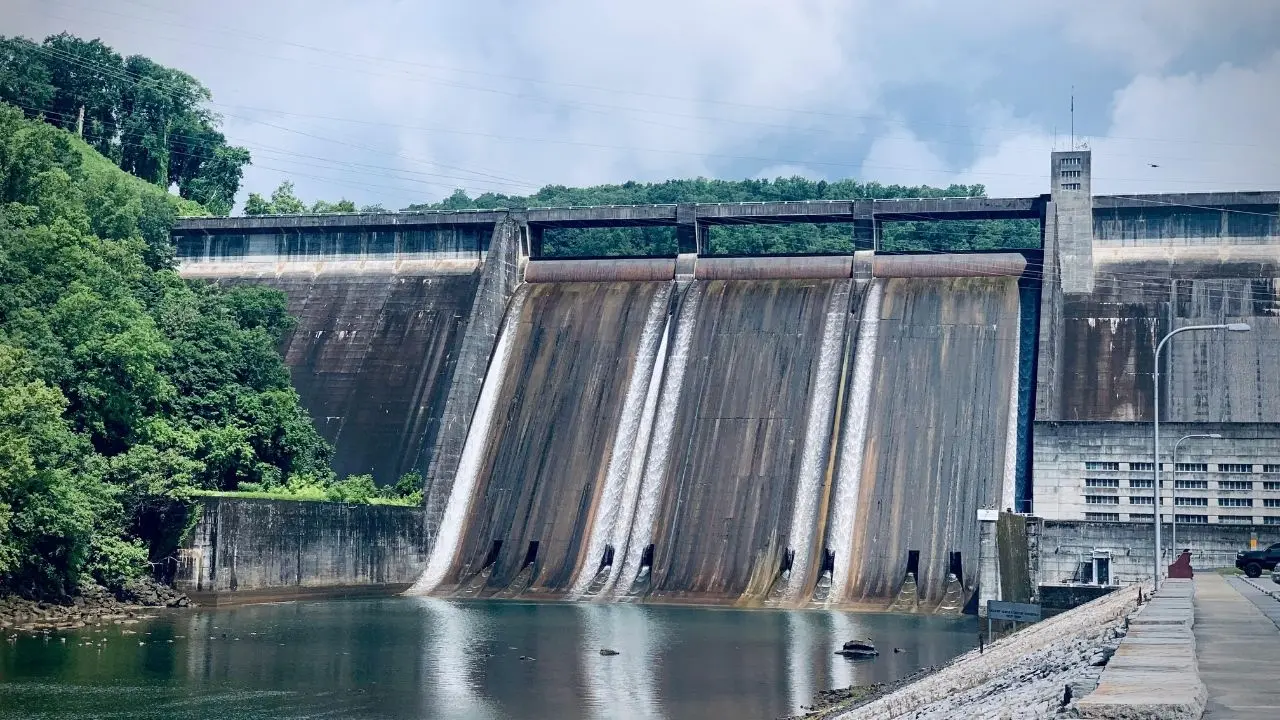
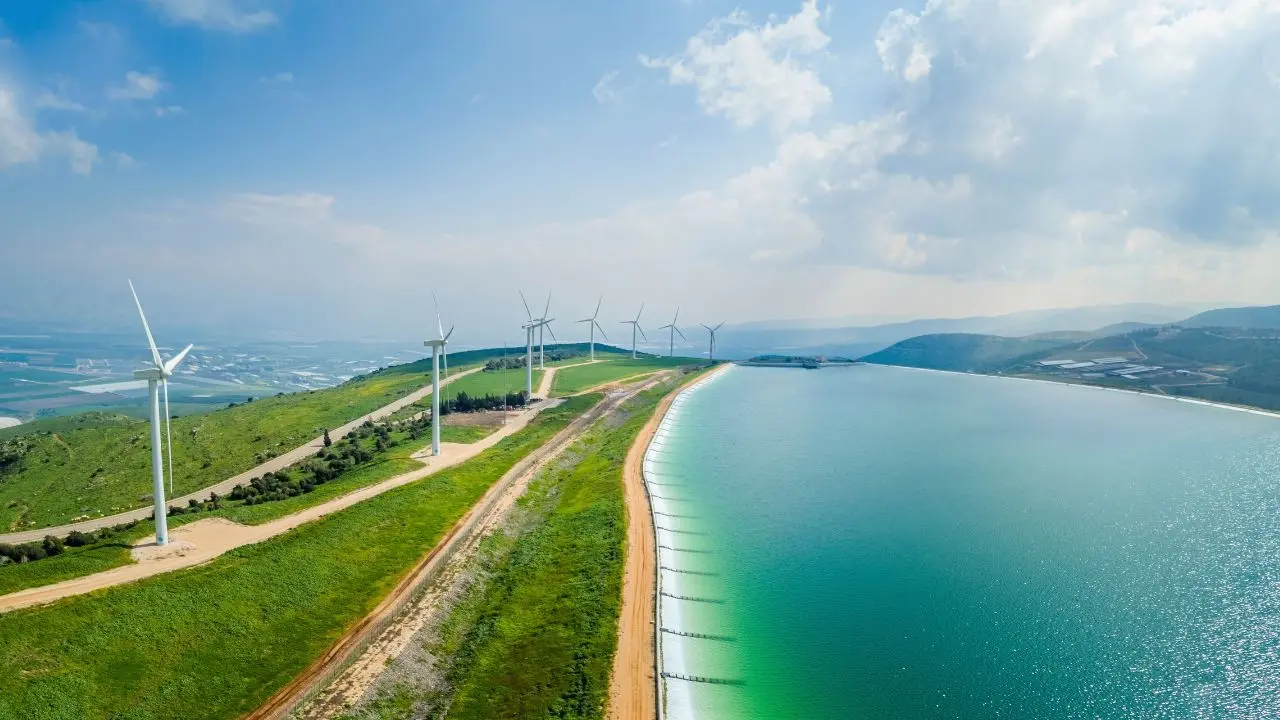
Environmental specialists emphasize the necessity for enhanced cooperation between central and state governments in water management. They advocate for initiatives like river conservation, wetland protection, proper reservoir maintenance, and improved groundwater monitoring to maintain long-term sustainability. Global examples from nations like Israel and Singapore are being analyzed for their effective water reuse and conservation strategies.
India’s commitment to enhancing water governance is directly aligned with the United Nations Sustainable Development Goal 6, which advocates for clean water and sanitation for everyone. Policymakers assert that strengthening institutional frameworks, raising public awareness, and developing modern infrastructure are pivotal for securing the nation’s water future and bolstering social and economic growth in the decade ahead.