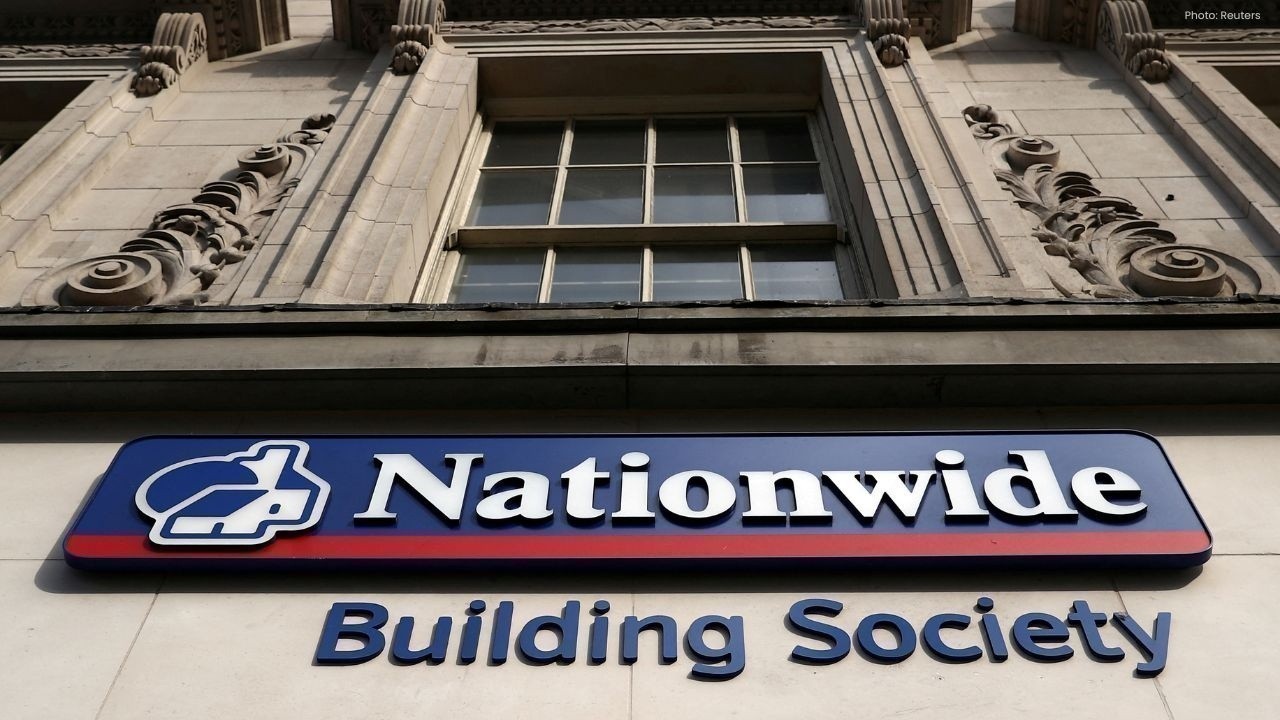
Britain's Nationwide Building Society has announced a striking 46% increase in income for the initial half of its financial year, showcasing the effectiveness of its member-centered model alongside its expanding lending capabilities. This uptick coincides with the successful incorporation of Virgin Money, which was acquired last year.
Total underlying income surged to £3.1 billion for the six months ending September 30, a rise from £2.1 billion during the same timeframe last year. This growth signifies Nationwide's increasing mortgage and retail banking sectors, enhanced by Virgin Money's portfolio.
Nevertheless, the statutory profit before tax experienced a minor decline to £486 million from £568 million, largely attributed to the £400 million dispensed to members in May through its "fairer share" program. Instead of prioritizing shareholder profits, Nationwide places emphasis on member value, reflected in competitive interest rates and cash rewards. This initiative totaled £1.2 billion, down from £1.3 billion in 2024.
Nationwide’s performance is in line with the impressive results from rival banks like NatWest, Lloyds, and Barclays. These institutions benefit from strong lending activity and low default rates, even amidst the UK's slow economic growth.
These results reinforce Nationwide's distinct role in the UK banking landscape—striking a balance between profitability and a member-first philosophy that differentiates it from conventional shareholder-focused banks.