Italian Food Guide: Famous Dishes and What They Cost
Italian food is one of the most loved cuisines in the world, known for its simplicity, fresh ingredients, and deep regional traditions. From street food slices to restaurant classics, Italy offers options for every budget. This guide explains the most famous Italian dishes tourists order, what they actually cost in Italy, and where you’re most likely to find them.
Understanding Italian Food Prices
Food prices in Italy depend on location, city type, and dining style. Tourist centers and historic zones charge more, while local trattorias, bakeries, and street food stalls offer authentic meals at lower prices. Northern cities are generally more expensive than southern regions.
Pizza Margherita
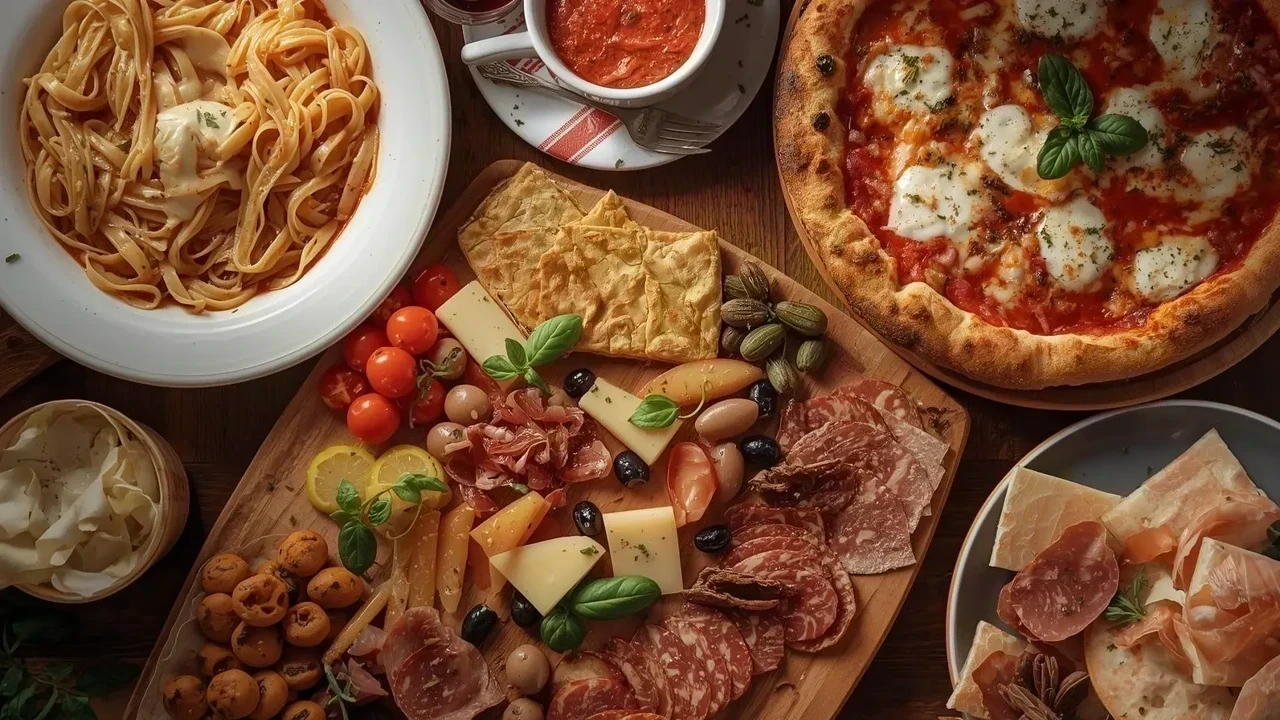
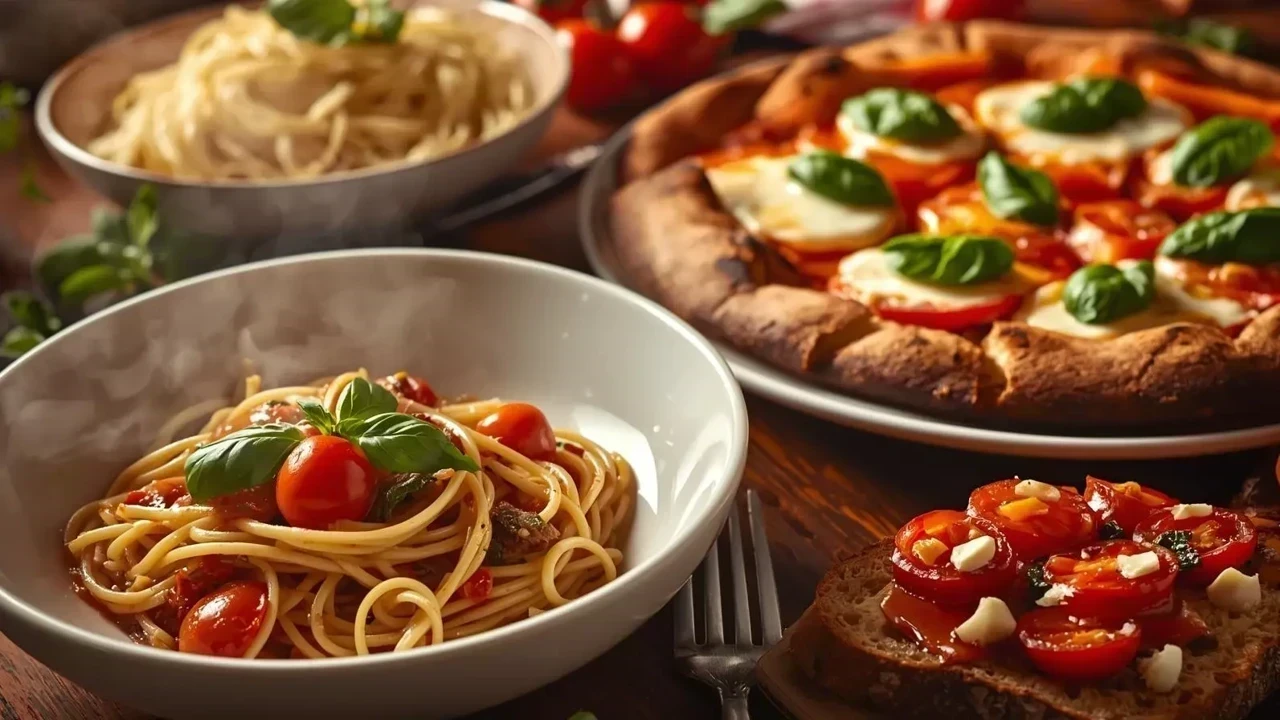
Pizza Margherita is Italy’s most iconic dish, especially associated with Naples. Made with tomato sauce, mozzarella, basil, and olive oil, it reflects true Italian simplicity. In Naples, a traditional pizzeria charges around €5 to €8 for a classic Margherita. In Rome or Milan, prices usually range from €8 to €14, especially in tourist areas.
Pasta Carbonara
Carbonara is a Roman specialty made with eggs, pecorino cheese, guanciale, and black pepper. Authentic versions never use cream. In local trattorias in Rome, carbonara costs around €10 to €14. In upscale restaurants or tourist zones, prices can reach €16 to €20.
Pasta Bolognese (Ragù)
Originating from Bologna, this slow-cooked meat sauce is traditionally served with tagliatelle, not spaghetti. In Bologna, a plate of tagliatelle al ragù costs around €10 to €13. In other cities, especially tourist restaurants, it may cost €14 to €18.
Lasagna
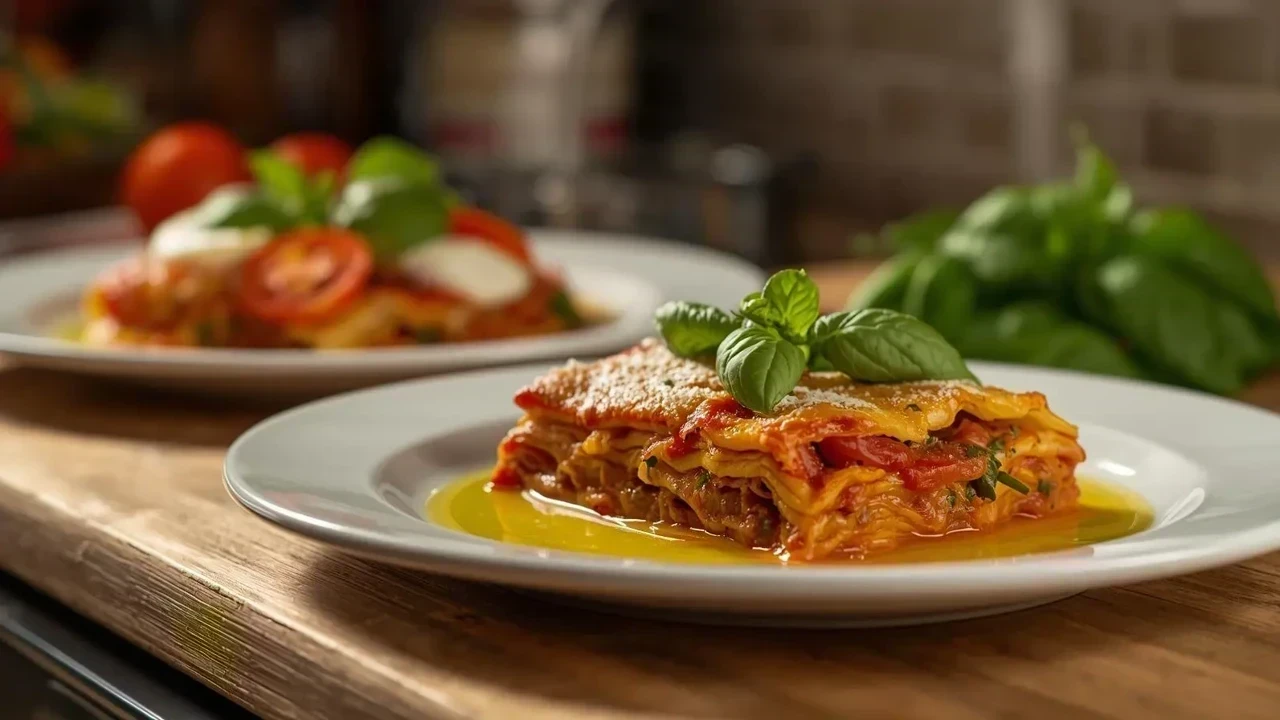
Lasagna is a layered pasta dish with ragù, béchamel sauce, and cheese. It is commonly found in Emilia-Romagna but popular nationwide. Prices range from €9 to €12 in local eateries and up to €15 to €18 in city-center restaurants.
Risotto
Risotto is more common in northern Italy, especially Milan. The famous risotto alla Milanese, flavored with saffron, usually costs between €12 and €18. Seafood risottos near coastal cities can cost slightly more due to ingredient prices.
Gnocchi
Gnocchi are soft potato dumplings often served with tomato, butter and sage, or cheese sauces. A standard plate in a trattoria costs around €9 to €13. In tourist-heavy areas, prices may rise to €15 or more.
Focaccia
Focaccia is a popular Italian bread, especially in Liguria. It is commonly eaten as a snack or light meal. Bakeries sell focaccia slices for €2 to €4, while filled focaccia sandwiches cost around €4 to €7.
Arancini
Arancini are deep-fried rice balls filled with ragù, cheese, or vegetables, mainly found in Sicily. Street stalls sell arancini for €2 to €4 each, making them one of the most affordable and filling Italian snacks.
Panini
Panini are grilled or pressed sandwiches filled with meats, cheese, and vegetables. In local cafes and sandwich bars, panini usually cost €4 to €7. Gourmet panini shops may charge up to €10, especially in Florence and Rome.
Gelato
Gelato is Italy’s most famous dessert and is widely available across the country. Prices depend on cup or cone size. A small gelato costs around €2 to €3.50, while larger servings range from €4 to €6. Tourist zones often charge slightly more.
Tiramisu
Tiramisu is a classic Italian dessert made with coffee-soaked ladyfingers, mascarpone, and cocoa. In most restaurants, tiramisu costs between €5 and €7. In fine-dining restaurants, it may reach €8 to €10.
Cannoli
Cannoli are crispy pastry shells filled with sweet ricotta cream, originating from Sicily. Bakeries sell cannoli for €2.50 to €4 each, depending on size and filling quality.
Espresso and Coffee Culture
Coffee in Italy is affordable compared to many countries. An espresso at the bar usually costs €1 to €1.50. Sitting at a table in tourist areas may increase the price to €3 or more due to service charges.
Street Food vs Restaurant Dining
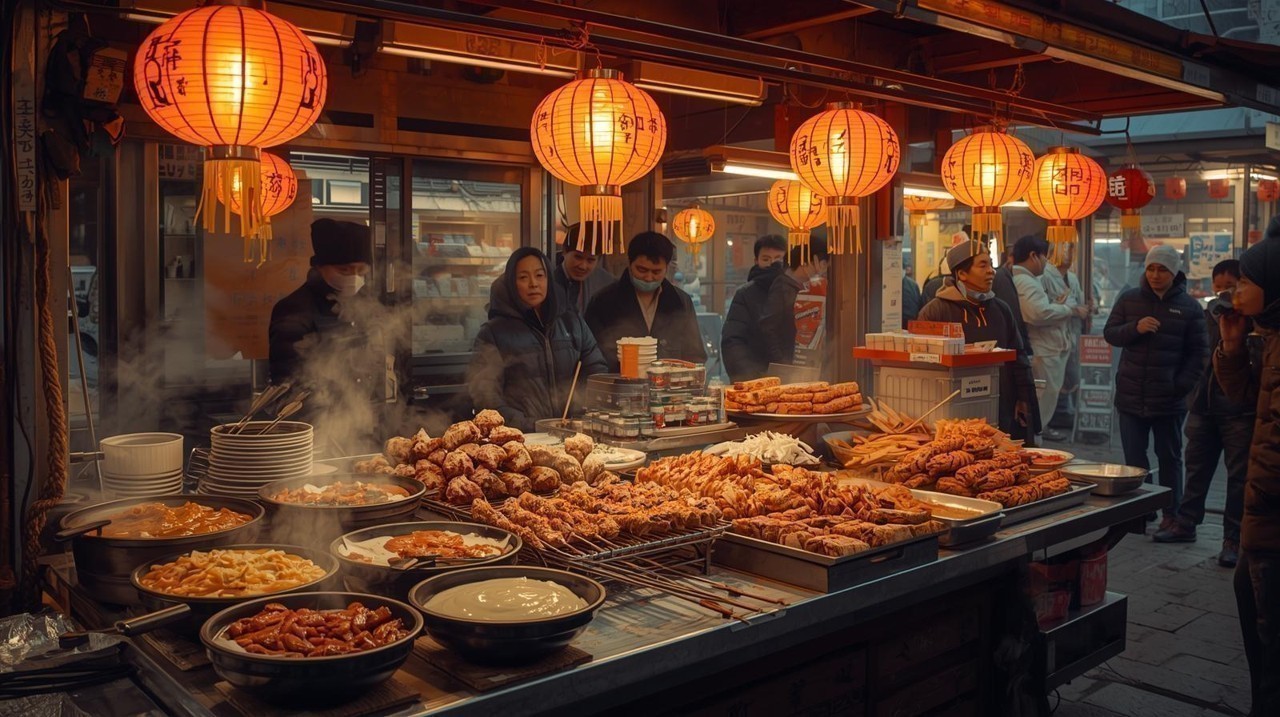
Street food and bakery items are the cheapest way to eat in Italy and still enjoy authentic flavors. Full restaurant meals cost more but offer better ambiance and service. A budget traveler can eat well for €15 to €25 per day, while mid-range dining costs around €30 to €45 per day.
Regional Price Differences
Southern Italy generally offers cheaper food than the north. Cities like Naples, Palermo, and Bari are more affordable compared to Milan, Venice, and Florence. Coastal and island regions may charge more for seafood dishes.
Tips to Save Money on Food in Italy
Eating lunch instead of dinner at restaurants saves money due to lower prices. Avoid restaurants with tourist menus displayed outside. Standing at the bar for coffee is cheaper than sitting. Bakeries and local markets provide excellent value meals.
What Tourists Order the Most
Tourists often choose pizza, pasta carbonara, lasagna, gelato, and tiramisu because these dishes are familiar and widely available. Street food like panini and arancini is popular among budget travelers.
Italian food offers incredible value when you eat like a local. From €2 street snacks to €15 restaurant classics, Italy proves that great food doesn’t have to be expensive. Understanding regional pricing and dining habits helps travelers enjoy authentic Italian cuisine without overspending.
Disclaimer
Food prices mentioned are approximate and may vary by city, season, and restaurant type. This article is for informational purposes only and does not guarantee exact pricing.