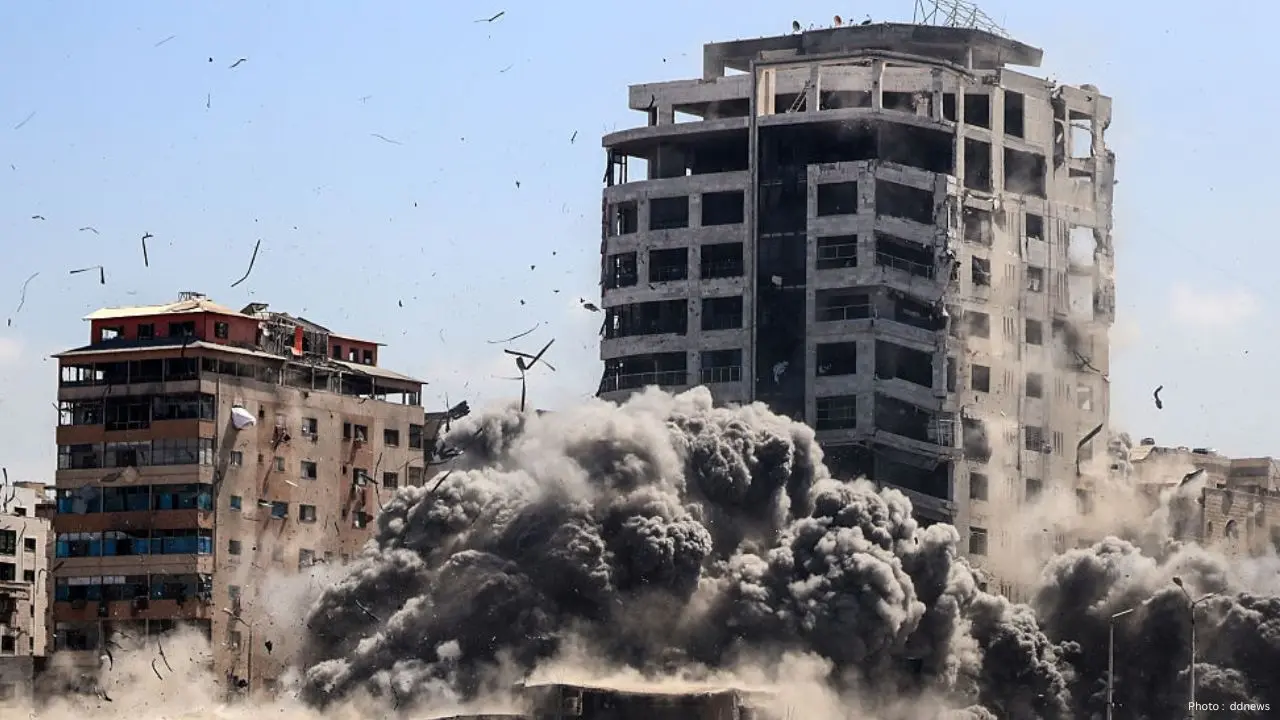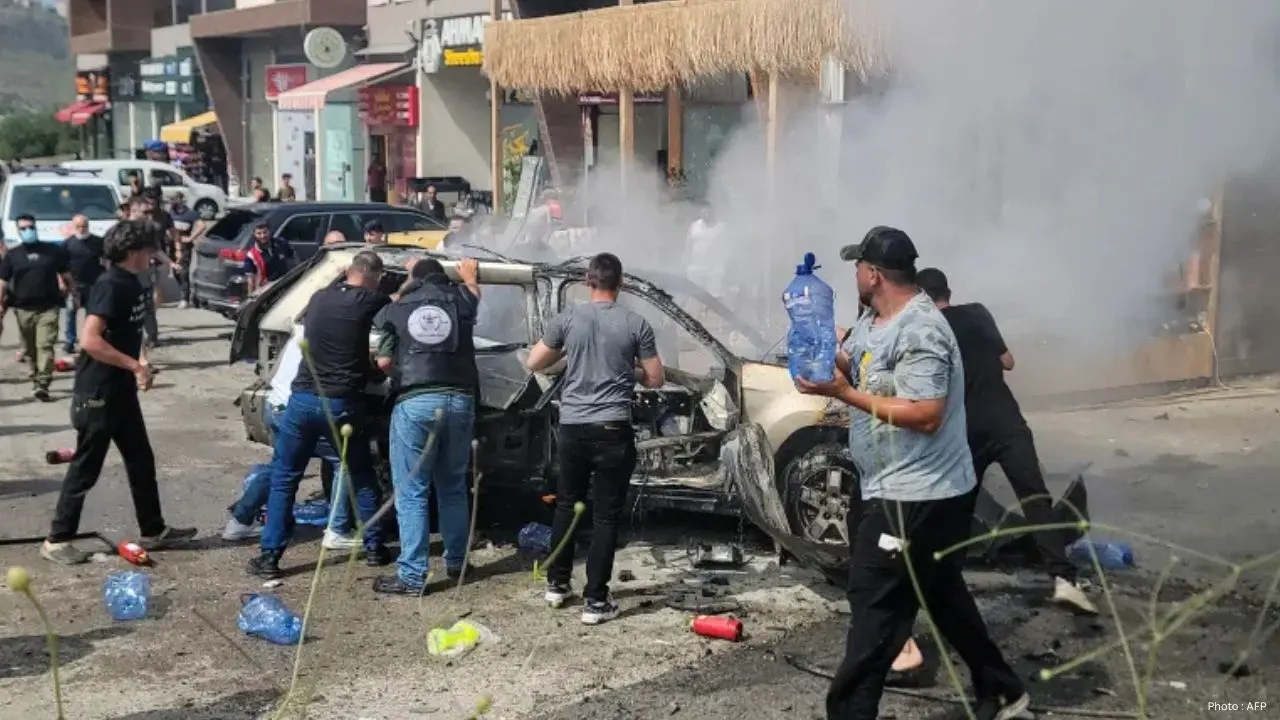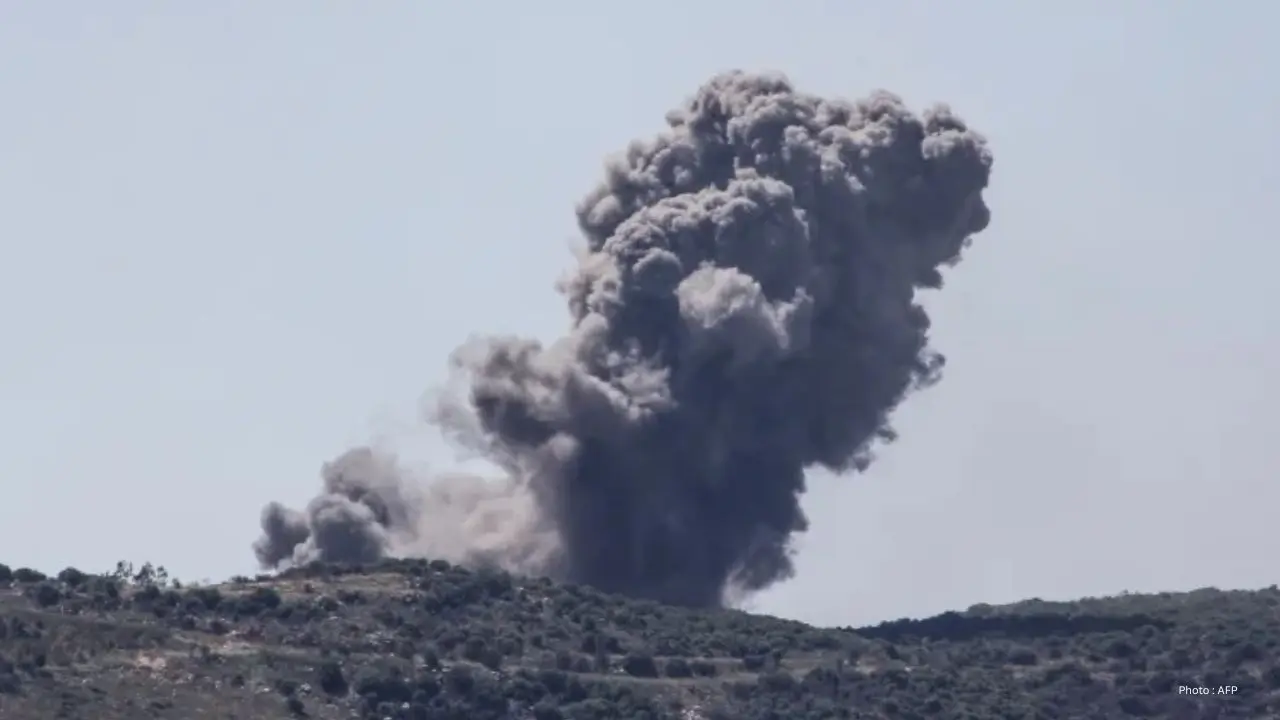
Amid rising tensions, Israel has ramped up military strikes in Gaza after the recent ceasefire linked to Iran. Officials in Israel assert that the increased operations are essential as Hamas attempts to fortify its military capabilities and reorganize its infrastructure in the territory.
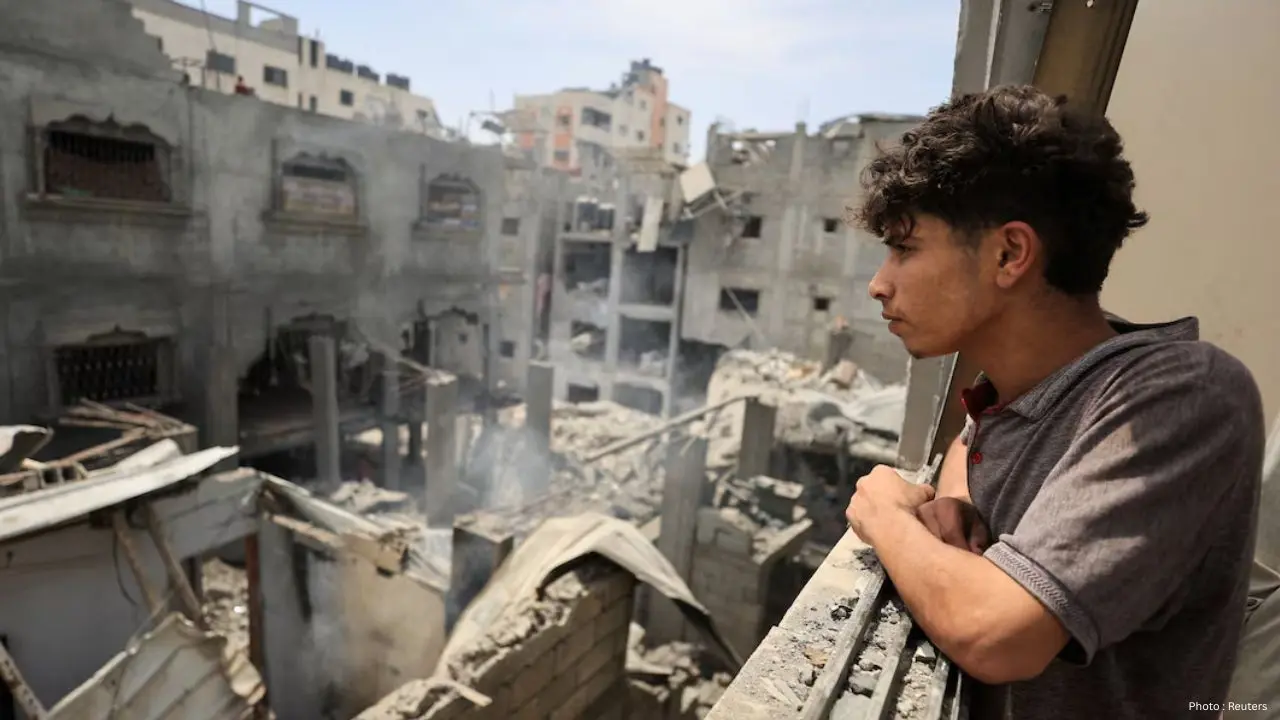
This surge in military actions has amplified fears of an unstable region, despite previous diplomatic efforts aimed at curbing violence. Airstrikes and military engagements persist across various areas of Gaza, many of which have been severely affected by earlier conflicts.
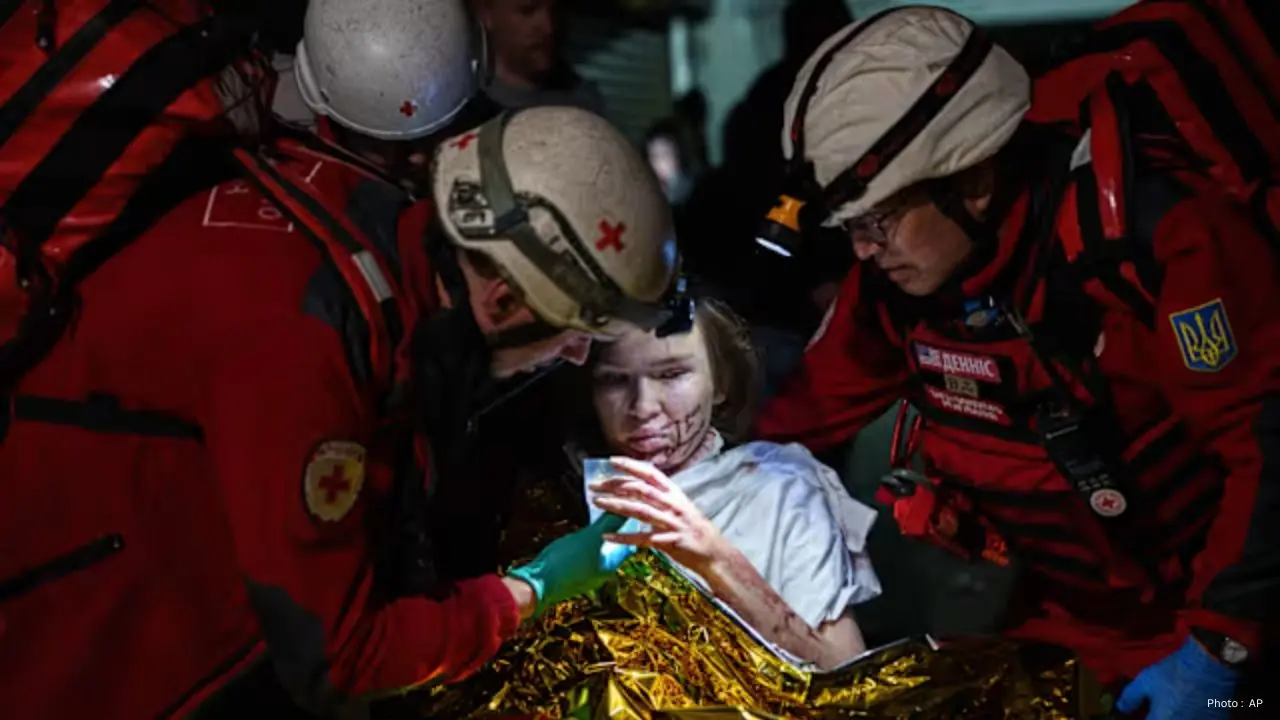
Local Palestinian authorities report that civilians bear the brunt of the ongoing conflict. Accounts from Gaza indicate rising casualties, infrastructural damage, and a deteriorating humanitarian landscape. Families displaced from earlier hostilities now face renewed insecurity, fears, and shortages of essential resources like food, medicine, and clean water.
According to Israel, the current military operations intend to prevent Hamas from reestablishing weapons caches and communication networks. Israeli military officials assert that Hamas has exploited the gap created by the Iran truce to bolster its presence in Gaza and gear up for future confrontations.
Though the truce between Israel and Iran initially offered a flicker of hope for reduced violence, the resurfacing hostilities in Gaza reveal a persistent undercurrent of unresolved tensions. The situation in the Middle East remains precarious, where temporary ceasefires are vulnerable to rapid disintegration.
The Gaza conflict has inflicted extensive devastation over recent years, damaging residential neighborhoods, infrastructure, schools, and public facilities. Numerous civilians have lost their homes, now existing in temporary shelters or overcrowded camps.
Humanitarian organizations have issued ongoing alerts regarding the deteriorating living standards within Gaza. Hospitals are struggling to cope with shortages of medical supplies and power. Aid workers highlight that the societal toll, particularly on children, is severe as the conflict endures without a clear resolution.
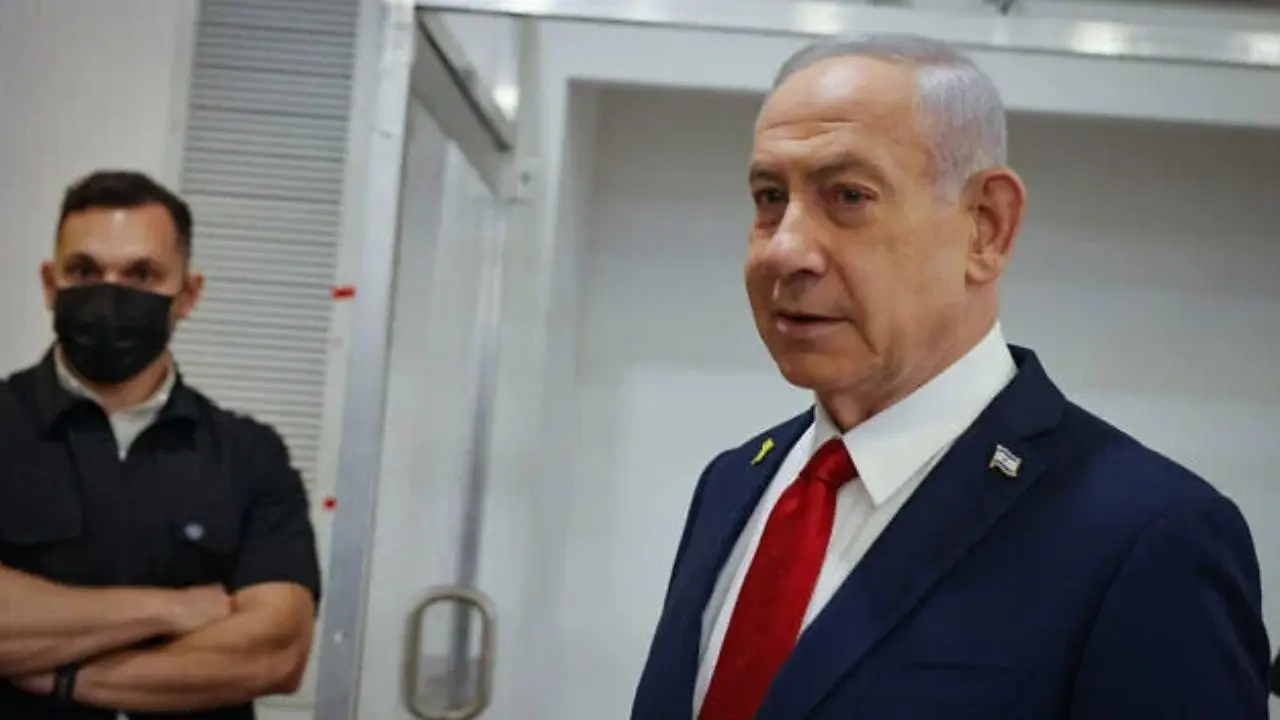
Israeli authorities continue to assert that military operations are crucial for national security. Officials maintain that it is vital to prevent Hamas from regaining military strength following prior assaults on Israel. They believe that sustained pressure is necessary to diminish the influence of armed groups in Gaza.
Meanwhile, there is a rising international push for restraint and renewed dialogue. Various nations and diplomatic entities are urging both parties to de-escalate and return to negotiation tables. However, there are significant disagreements regarding security, governance, and the future political landscape of Gaza.
The ongoing conflict has also heightened tensions throughout the broader Middle East, with armed factions and regional powers exerting their influences in Gaza, Lebanon, Syria, and adjacent areas. Analysts caution that ongoing violence may heighten the threat of wider regional instability.
Experts suggest that military action alone is unlikely to yield a sustainable resolution. Achieving long-lasting peace may necessitate political dialogues, humanitarian assistance, reconstruction initiatives, and increased international engagement. Without these crucial steps, the cycle of violence may persist for years.