The recent extension of the ceasefire between Israel and Lebanon has provided a glimmer of hope across the Middle East, alleviating weeks of anxiety and concern. Concurrently, Iran's willingness to engage in discussions with the United States fosters optimism that diplomatic efforts might avert a broader regional conflict.
This ceasefire extension, prompted by increasing global calls for an end to hostilities, arrives in the wake of intense confrontations between Israeli forces and Hezbollah, which forced many families to evacuate and resulted in significant damage in southern Lebanese towns. The decision to prolong the truce for an additional 45 days is viewed as a vital step toward ensuring regional stability.
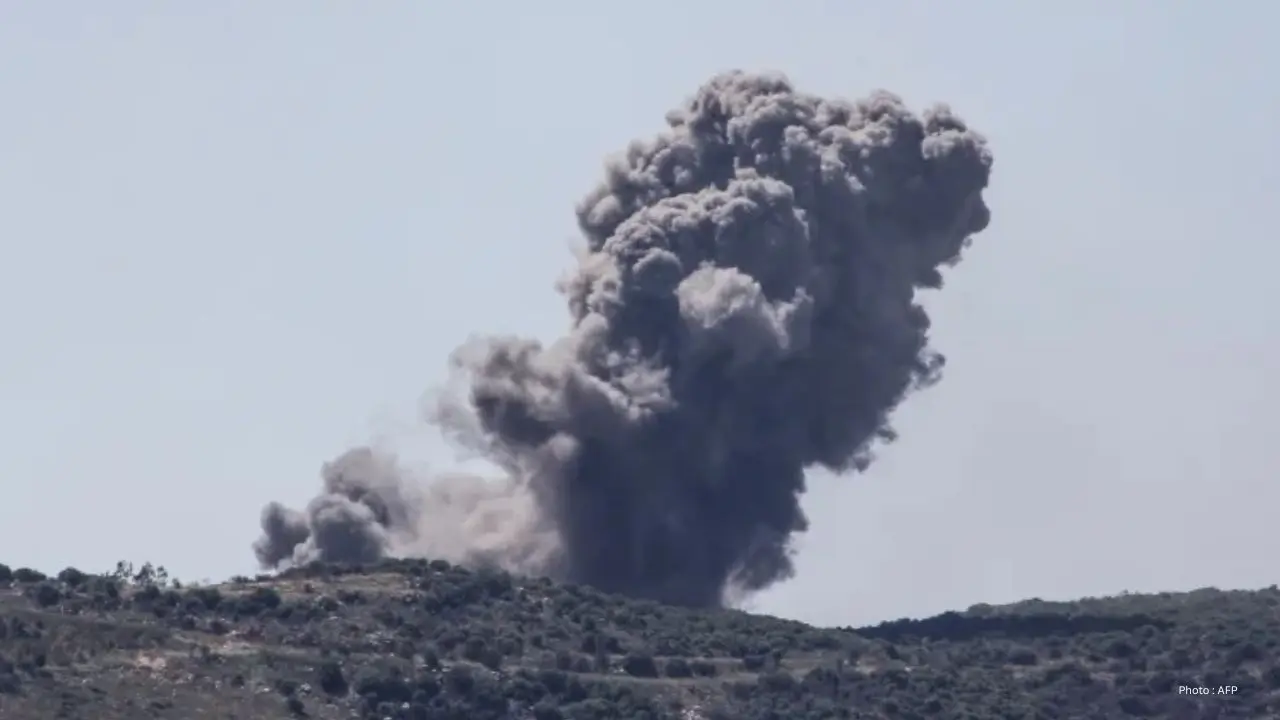
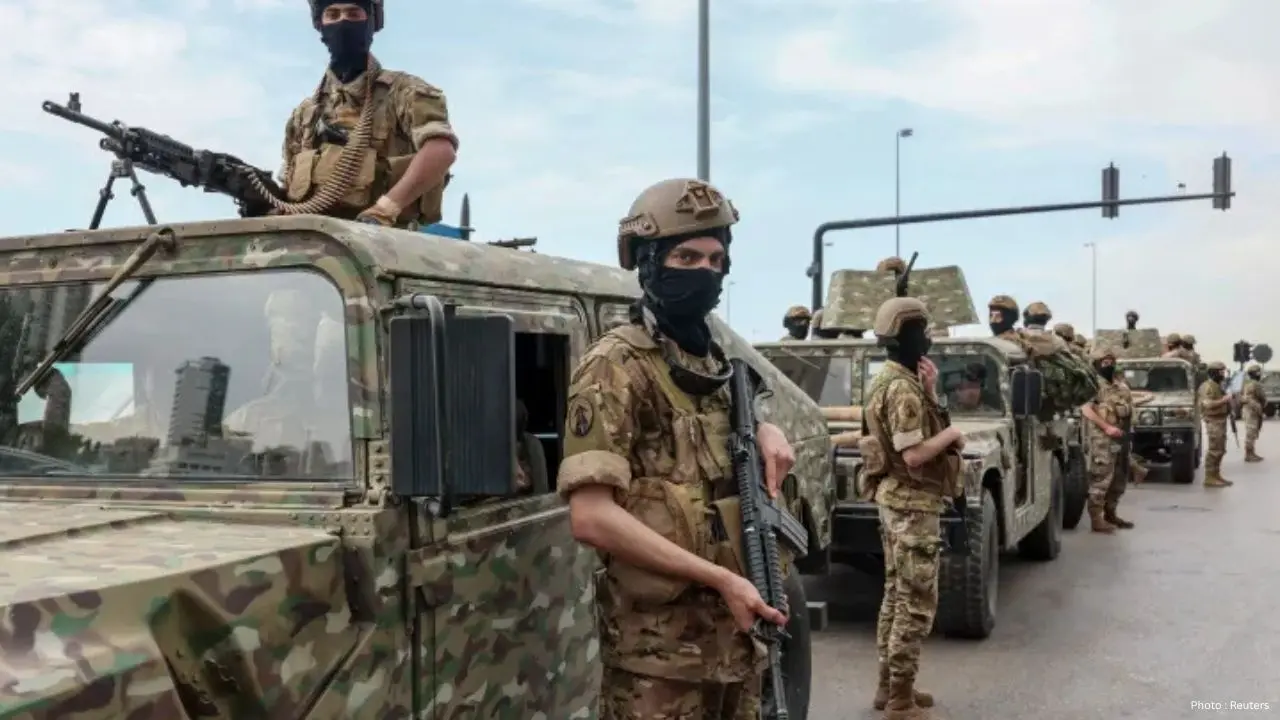
Despite this extension, the atmosphere remains precarious. Recent reports of new strikes and security measures indicate that a lasting peace is not yet assured. Residents close to the border live in constant fear of renewed hostilities, prompting international leaders to urge restraint from both parties to prevent escalating tensions.
Iran plays a crucial role in this ongoing crisis. With its backing of Hezbollah, it holds substantial sway over regional dynamics. Tehran has expressed openness to further discussions with the United States on security and nuclear issues, which is significant since US-Iran relations heavily influence the broader Middle East landscape.
The United States aims to balance military strategies with diplomatic initiatives. American officials are working to deter a broader conflict while pressing Iran to curb its nuclear ambitions. However, Iran seeks sanctions relief and firm assurances before engaging in meaningful compromises, creating a stalemate in negotiations.
The conflict has inflicted considerable hardship on everyday citizens. Families in Lebanon are grappling with destruction and displacement, while those in Israel live under the looming threat of attacks. Economic strains and rising costs further exacerbate the already challenging circumstances facing the region.
While the ceasefire extension does not signify an end to the crisis, it provides an opportunity for respite. Achieving lasting peace in the Middle East requires more than military solutions; it necessitates dialogue, patience, and earnest negotiations from all involved parties.
The weeks ahead will be pivotal. Sustained discussions and avoidance of escalation could steer the region toward stability. Conversely, renewed tensions threaten to plunge the Middle East into yet another phase of turmoil and unpredictability.