Is Your Password Secure? Learn How Hackers Can Breach It in Just 2 Minutes
In today’s digital world, your password is the first line of defense protecting your personal data, bank accounts, emails, and social media. Yet, many people still use weak or predictable passwords, making it surprisingly easy for hackers to break into accounts—sometimes in just a couple of minutes.
Understanding how hackers crack passwords can help you stay one step ahead and protect your digital life.
Why Weak Passwords Are Easy Targets
Many users rely on simple passwords like names, birthdays, or common combinations such as “123456” or “password.” These are extremely easy for hackers to guess using automated tools.
Hackers use large databases of commonly used passwords to try multiple combinations quickly. If your password is simple or widely used, it can be cracked almost instantly.
Even adding small variations like “Password123” doesn’t make it much safer, as these patterns are already known to attackers.
Brute Force Attacks: Speed Over Complexity
One of the most common hacking methods is a brute force attack, where software automatically tries thousands or even millions of password combinations within seconds.
Modern systems can test countless combinations rapidly, especially when passwords are short. A password with fewer characters or simple patterns can be cracked in minutes or even seconds.
Longer and more complex passwords significantly increase the time required to crack them, making brute force attacks less effective.
Phishing Scams: Trick Instead of Hack
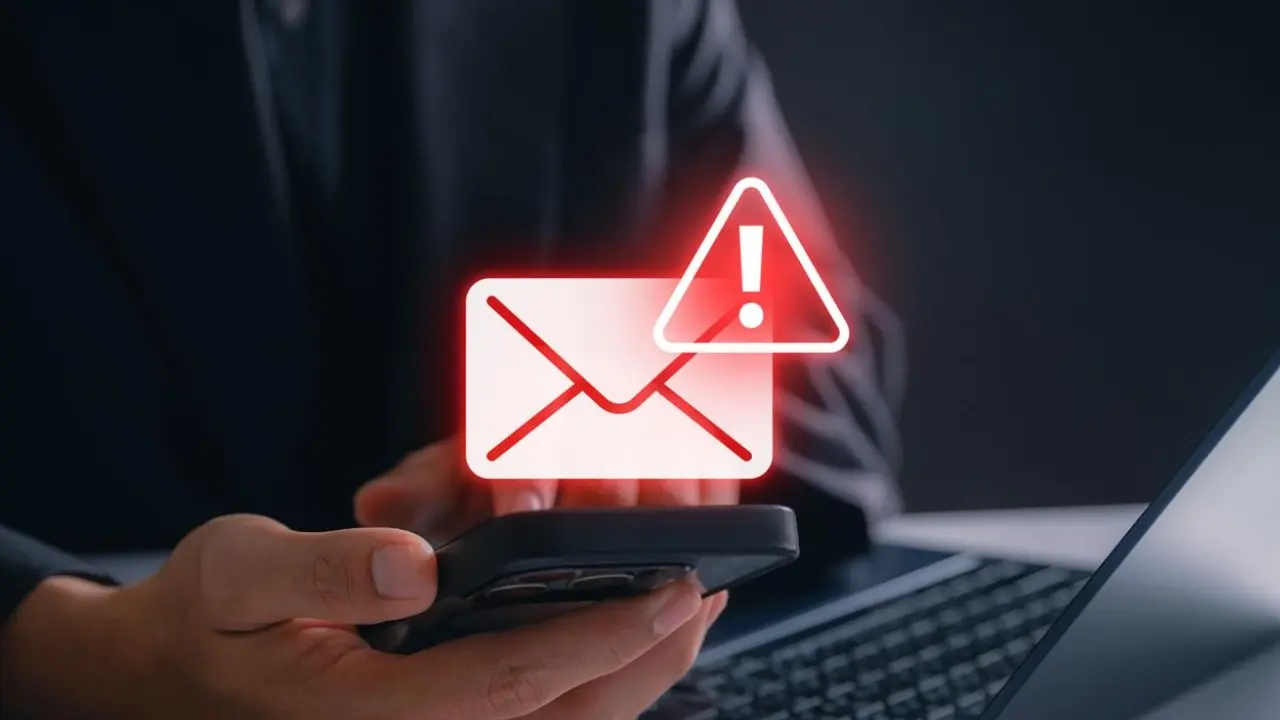
Not all hackers rely on technical methods. Many use phishing, where they trick users into revealing their passwords.
You might receive an email or message that looks like it’s from a trusted platform such as Gmail or Facebook, asking you to log in or verify your account.
These fake pages look real, but once you enter your password, it goes directly to the attacker.
This method is dangerous because it bypasses security systems by targeting human behavior instead of technology.
Data Breaches and Leaked Passwords
Large-scale data breaches expose millions of usernames and passwords from websites and apps. Hackers collect this data and use it to access accounts on other platforms.
If you reuse the same password across multiple sites, a single breach can put all your accounts at risk.
This is why unique passwords for different accounts are essential for maintaining security.
Keyloggers and Malware Threats
Malicious software, often unknowingly downloaded, can record everything you type on your keyboard. This includes passwords, messages, and sensitive information.
Once installed, keyloggers silently send your data to hackers without your knowledge. Clicking on unknown links or downloading files from untrusted sources increases this risk.
Keeping your system secure and avoiding suspicious downloads is crucial to prevent such attacks.
How to Make Your Password Strong and Secure
Creating a strong password is your best defense against hacking attempts. A secure password should be:
- Long (at least 12–16 characters)
- A mix of uppercase and lowercase letters
- Include numbers and special symbols
- Unique for every account
Avoid using personal information like names, dates, or common words.
Using a password manager can help generate and store complex passwords safely, so you don’t have to remember them all.
Enable Two-Factor Authentication for Extra Protection
Even if someone gets your password, two-factor authentication (2FA) adds another layer of security. It requires a second verification step, such as a code sent to your phone.
Most major platforms offer this feature, and enabling it can significantly reduce the risk of unauthorized access.
It acts as a strong backup defense, making it much harder for hackers to break into your accounts.
Warning Signs Your Password May Be Compromised
Sometimes, your account may show signs of being hacked. Watch out for:
- Unusual login activity
- Password reset emails you didn’t request
- Messages sent from your account without your knowledge
- Sudden logouts from devices
If you notice any of these, change your password immediately and secure your account.
Take Action Before It’s Too Late
Cyber threats are constantly evolving, and hackers are becoming more advanced. Relying on weak passwords or outdated habits can put your personal and financial data at serious risk.
Taking simple steps like creating strong passwords, enabling extra security, and staying aware of threats can protect you from potential attacks.
Disclaimer
This article is for informational purposes only and aims to raise awareness about cybersecurity practices. Always follow official security guidelines provided by platforms you use.