Investing vs Saving 2026: Where Should You Put Your Money
In 2026, managing money wisely has become more important than ever. With rising inflation, changing markets, and increasing expenses, people are asking a common question:
Should you save your money or invest it?
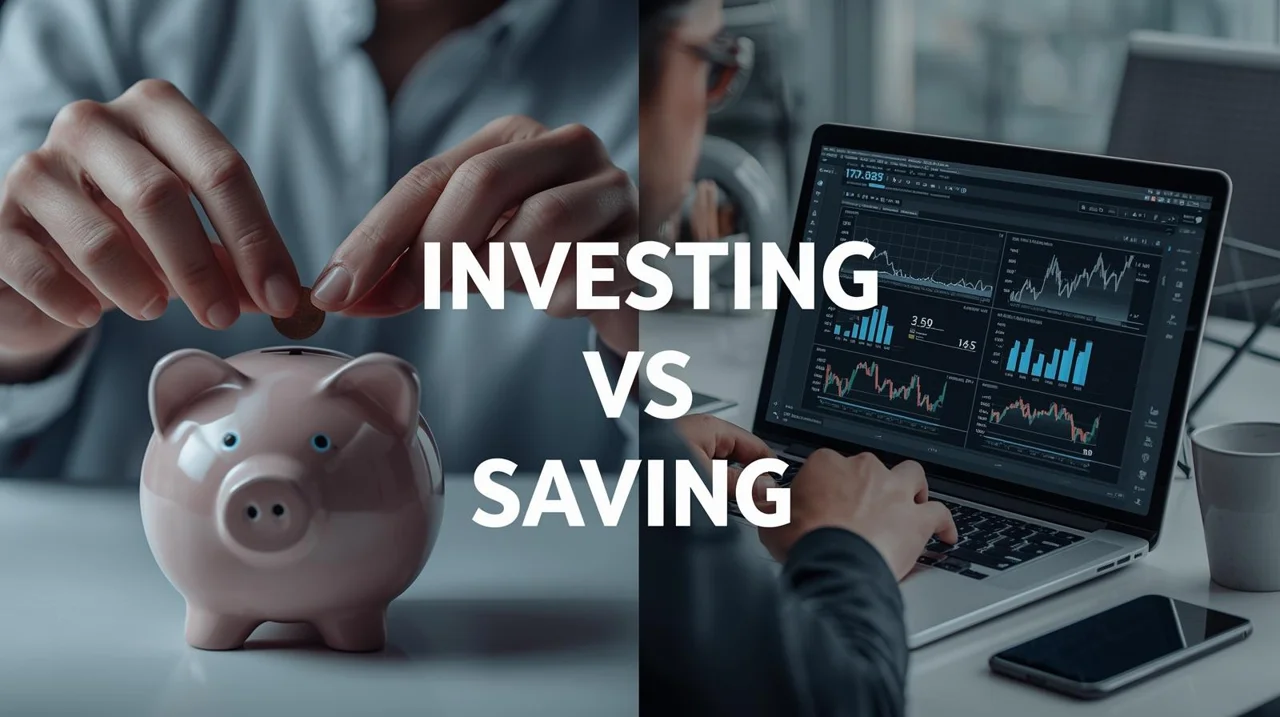
Both saving and investing play important roles in financial planning, but they serve different purposes. Choosing the right option depends on your goals, risk level, and financial situation.
This guide will help you clearly understand the difference and decide where you should put your money in 2026.
Understanding Saving and Investing
Before making a decision, it is important to understand what saving and investing actually mean.
What Is Saving?
Saving means keeping your money in a safe place where it is easily accessible.
Key Features of Saving
- Low risk or no risk
- Easy access to money
- Stable but low returns
- Suitable for short-term needs
Savings are usually kept in bank accounts or low-risk instruments.
What Is Investing?
Investing means putting your money into assets that can grow over time.
Key Features of Investing
- Higher potential returns
- Involves some level of risk
- Suitable for long-term goals
- Helps beat inflation
Investments can include stocks, mutual funds, real estate, and more.
Key Differences Between Saving and Investing
Understanding the difference helps you make better financial decisions.
Purpose
- Saving is for security and short-term needs
- Investing is for growth and long-term wealth
Risk Level
- Saving is safe and stable
- Investing involves market risk
Returns
- Savings offer low returns
- Investments offer higher potential returns
Time Horizon
- Saving is ideal for short-term goals
- Investing works best for long-term planning
Why Saving Alone Is Not Enough in 2026
Saving money is important, but relying only on saving can limit your financial growth.
Impact of Inflation
Inflation reduces the value of money over time.
- Prices of goods and services increase
- Your savings lose purchasing power
- Low interest rates may not keep up with inflation
Limited Growth
Savings accounts provide stability but not significant growth.
- Money grows slowly
- Not enough for long-term goals like retirement or wealth creation
This is why investing becomes necessary.
Why Investing Is Important Today
Investing helps you grow your money and achieve financial goals faster.
Wealth Creation Over Time
- Investments grow through compounding
- Long-term growth can be significant
- Helps build financial security
Beating Inflation
Investments can generate returns higher than inflation.
- Protects purchasing power
- Increases real value of money
Multiple Income Opportunities
Some investments can generate income.
- Dividends
- Rental income
- Capital gains
When You Should Focus on Saving
Saving is important in certain situations.
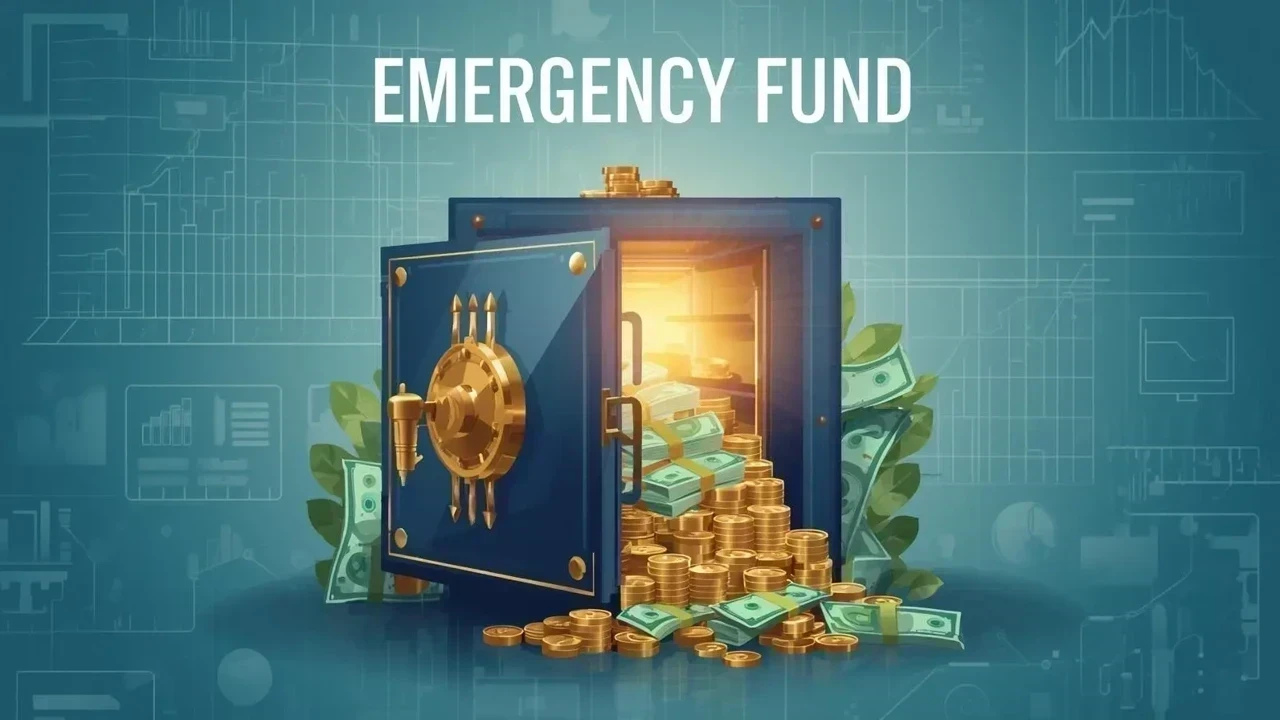
Emergency Fund
You should always have emergency savings.
- Covers unexpected expenses
- Provides financial security
- Reduces stress during emergencies
Short-Term Goals
Saving is better for goals within 1–2 years.
- Travel plans
- Buying gadgets
- Small purchases
Low Risk Preference
If you want safety and stability:
- Saving is the right choice
- No risk of loss
When You Should Focus on Investing
Investing is suitable for long-term financial growth.
Long-Term Goals
- Retirement planning
- Buying a house
- Wealth creation
Higher Return Expectations
If you want your money to grow faster:
- Investing offers better returns
- Helps build long-term wealth
Ability to Take Risk
If you can handle market fluctuations:
- Investing becomes more effective
- Higher risk can lead to higher rewards
Best Strategy in 2026: Balance Saving and Investing
The smartest approach is not choosing one—it is combining both.
Build a Strong Financial Base First
Start with saving.
- Create an emergency fund
- Cover short-term needs
- Ensure financial stability
Then Start Investing Gradually
Once your base is strong:
- Invest regularly
- Start small and grow
- Focus on long-term goals
Follow the 50-30-20 Rule (Example Strategy)
- 50% for needs
- 30% for lifestyle
- 20% for saving and investing
This helps maintain balance.
Common Mistakes to Avoid
Many people make simple mistakes that affect their financial growth.
Saving Too Much Without Investing
- Money loses value over time
- Missed growth opportunities
Investing Without Knowledge
- Risk of losses
- Poor decision-making
Ignoring Emergency Savings
- Financial stress during emergencies
- Forced to sell investments early
Future Outlook: Money Management in 2026 and Beyond
Financial planning is becoming more important due to:
- Rising cost of living
- Economic uncertainty
- Increasing financial awareness
People are now focusing on smarter strategies that combine saving and investing.
Conclusion
In 2026, the question is not saving vs investing—it is about how to use both effectively.
Saving provides safety and stability, while investing helps your money grow. The best approach is to balance both based on your goals.
The key is simple:
Save for security, invest for growth.
This strategy can help you build a strong and stable financial future.
Disclaimer
This article is for informational purposes only and should not be considered financial advice. Investment decisions involve risk. Readers should evaluate their financial situation or consult a professional before making decisions.