Looking To Save More Money? These Apps Can Help You
Saving money has become more important than ever, but for many people, it still feels difficult to manage consistently. Expenses keep rising, small purchases add up quickly, and without a clear system, money tends to slip away unnoticed. The good news is that you don’t always need complex financial strategies to improve your savings. Sometimes, the right tools can make the biggest difference. Today, a wide range of mobile apps are designed to help you track spending, control habits, automate savings, and build financial discipline without adding stress to your daily routine.
These apps are not just about recording numbers—they are built to change behavior. By giving you visibility into where your money goes and helping you plan ahead, they make saving more practical and achievable, even for beginners.
Why Saving Money Feels So Difficult Today
In today’s fast-paced lifestyle, spending has become easier than ever. Digital payments, online shopping, and subscription services have removed the friction that once made people think twice before spending. As a result, money often gets spent without much awareness. Many people intend to save, but without tracking their expenses or setting clear limits, it becomes difficult to stay consistent. This is where financial apps step in—they bring structure, awareness, and control into your daily financial habits.
How Money-Saving Apps Actually Help You
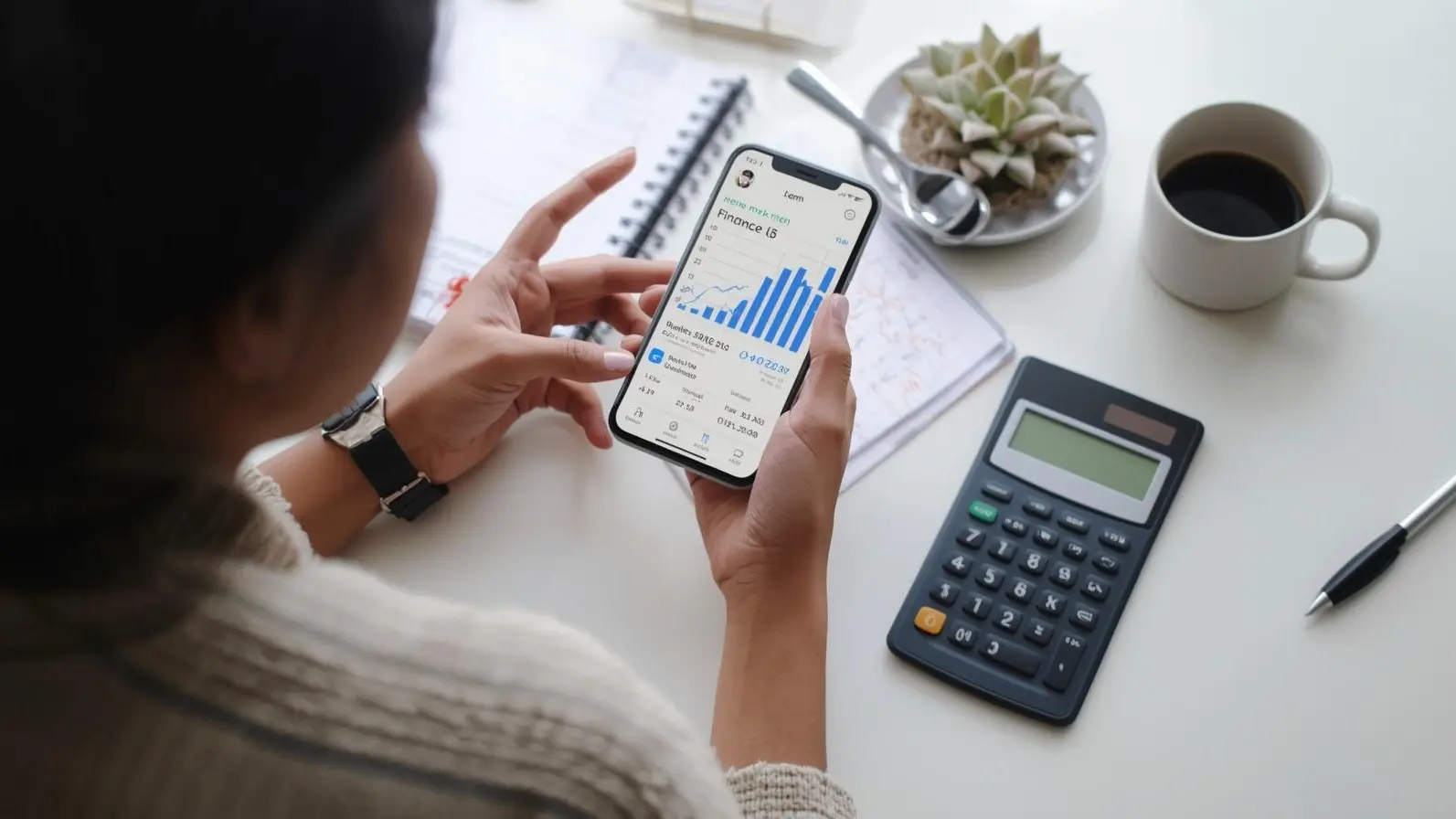
Money-saving apps work by simplifying financial management. Instead of manually noting every expense or trying to remember where your money went, these apps automatically track and categorize your spending. They show patterns, highlight unnecessary expenses, and help you set realistic budgets. Some apps also allow you to automate savings, which means a portion of your income gets saved without requiring active effort. Over time, this creates a system where saving becomes a habit rather than a struggle.
Best Apps to Help You Save More Money
1. Walnut – Smart Expense Tracking Without Effort
Walnut is widely used for automatic expense tracking, especially in India. It reads transaction messages from your phone and organizes your spending into clear categories. This gives you a real-time view of where your money is going without needing to manually enter data. Over time, this awareness helps you identify areas where you can cut unnecessary expenses. The app also provides bill reminders, which helps avoid late fees and unnecessary charges.
2. Money Manager – Simple Budgeting Made Clear
Money Manager is ideal for those who want a clean and straightforward way to control their finances. It allows you to set budgets, track income and expenses, and visualize your financial habits through easy-to-understand graphs. What makes this app effective is its simplicity—it doesn’t overwhelm users but still provides enough detail to improve financial discipline. For beginners, this can be a great starting point to build awareness around spending.
3. YNAB (You Need A Budget) – Build Strong Financial Habits
YNAB focuses on a proactive approach to money management. Instead of tracking past spending, it encourages you to plan your money in advance. Every rupee or dollar is assigned a purpose, which helps prevent overspending. This method trains you to think more intentionally about your finances. While it may take some time to get used to, it is highly effective for those who want to develop long-term financial discipline.
4. Goodbudget – Digital Envelope Budgeting System
Goodbudget follows the traditional envelope budgeting method but in a digital format. You divide your income into different categories like groceries, rent, entertainment, and savings. Once a category is used up, you avoid spending more in that area. This method helps control impulsive spending and ensures that your money is allocated wisely. It is especially useful for people who prefer a structured approach to budgeting.
5. Groww – Save by Investing Smartly
Saving money is not just about keeping it aside—it is also about growing it. Groww allows users to invest in mutual funds, stocks, and other financial instruments directly from their phone. Even small, regular investments can build wealth over time. The app is designed to be beginner-friendly, making it easier for first-time investors to get started. By combining saving with investing, users can create long-term financial growth.
6. Splitwise – Avoid Overspending in Group Expenses
Splitwise is useful for managing shared expenses with friends, family, or colleagues. Whether it’s travel, rent, or dining out, the app tracks who owes what and simplifies settlements. This prevents confusion and helps you avoid spending more than your fair share. While it may not directly save money, it ensures better control over shared financial situations.
How These Apps Change Your Financial Behavior Over Time
Using these apps regularly creates a shift in how you think about money. Instead of reacting to expenses after they happen, you become more aware before making spending decisions. You start noticing patterns, identifying unnecessary costs, and making better choices. Over time, saving becomes less about effort and more about habit. This behavioral change is what truly leads to long-term financial improvement.
Choosing the Right App for Your Needs
Not every app works the same for everyone. Some people prefer automatic tracking, while others like manual control. The key is to choose an app that fits your lifestyle and feels easy to use. If an app feels complicated, you are less likely to stay consistent. Start with one tool, use it regularly, and gradually build your financial system around it.
Final Thoughts: Small Changes Lead to Big Savings
Saving money does not always require major lifestyle changes. Sometimes, it starts with small steps—tracking your expenses, setting limits, and building awareness. The right apps can simplify this process and make saving feel manageable instead of overwhelming.
Over time, these small improvements add up. What starts as a simple habit can turn into strong financial discipline, giving you more control over your money and helping you achieve your long-term goals.
Disclaimer
This article is for informational purposes only and does not constitute financial advice. Users should evaluate apps based on their personal financial needs and preferences.