India has claimed that Bangladesh has not provided an “actionable response” regarding the repatriation of suspected illegal immigrants from Bangladesh residing in India. According to a diplomatic document released by Indian officials, New Delhi has dispatched over 1,000 diplomatic notes and 456 consolidated reminders to Dhaka since September 2020, yet the cooperation needed to tackle this issue has been lacking.
The issue was brought to the forefront in a note verbale sent by India’s Ministry of External Affairs to Bangladesh on April 30, 2026. This communication followed a protest by Bangladesh’s Foreign Ministry, which summoned the Indian envoy in Dhaka after controversial comments made by Assam’s then Chief Minister, Himanta Biswa Sarma, regarding cross-border issues.
Reports indicate that Sarma claimed in a media interview that under his administration, Indian border forces had been “pushing in” suspected Bangladeshis across unguarded sections of the India-Bangladesh border. His comments raised diplomatic alarms in Dhaka and prompted an official clarification request from Bangladesh. This matter has since become a central concern in discussions about border operations and bilateral relations.
In its diplomatic communications, India reportedly underscored that it has consistently raised repatriation concerns via official channels over the years. Despite multiple requests, Bangladesh has not provided the essential cooperation for necessary verification and repatriation protocols. Indian representatives have highlighted that effective border management and legal immigration processes necessitate stronger coordination between both governments.
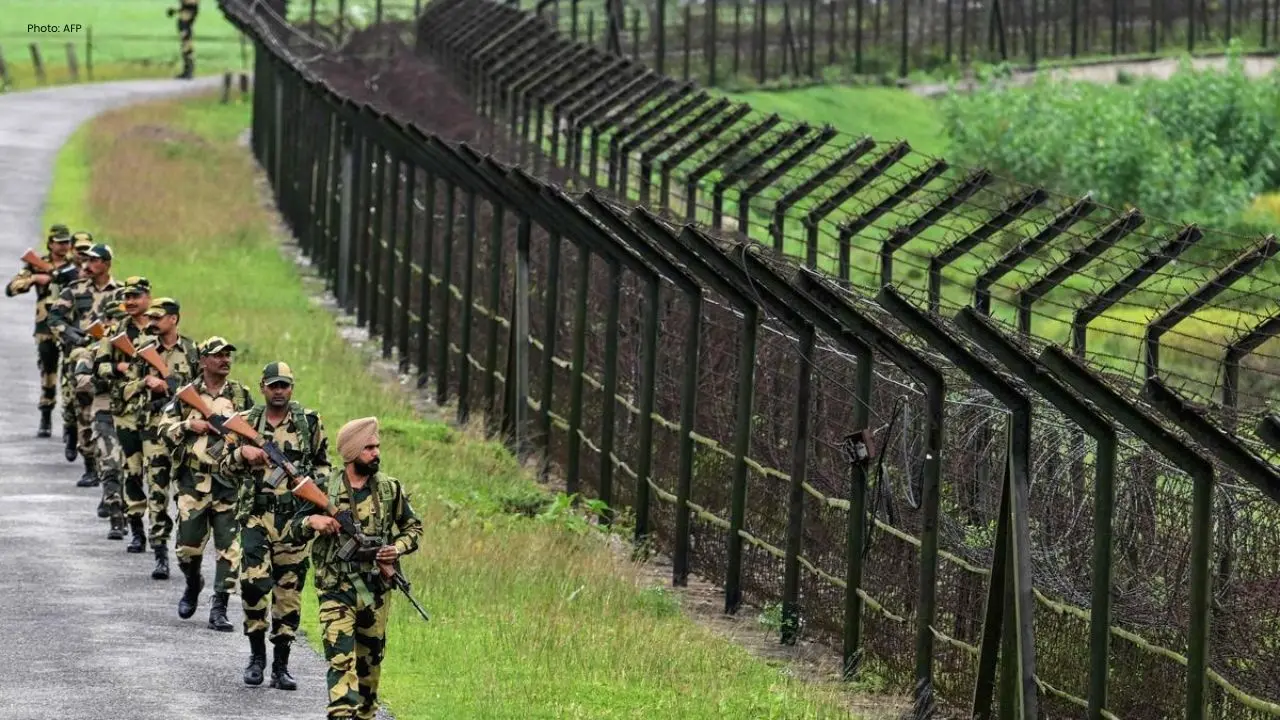
The India-Bangladesh border is one of the longest international boundaries globally and has frequently been marred by disputes over illegal immigration, border security, smuggling, and cross-border movements. Both nations' security agencies routinely coordinate on border matters; however, issues surrounding undocumented migration have remained politically sensitive for years, particularly in states like Assam and West Bengal.
Sources familiar with the situation suggest that these diplomatic exchanges reflect India's ongoing anxiety regarding national security, demographic shifts, and the difficulties of identifying undocumented migrants. Indian officials have repeatedly emphasized the need for better verification systems and expedited repatriation collaboratives with Bangladesh. Conversely, Dhaka maintains that thorough nationality verification and legal processes must be observed prior to accepting repatriated individuals.
These recent diplomatic interactions occur as India and Bangladesh continue to engage positively in areas including trade, connectivity, energy, and regional security. Nonetheless, concerns at the border and political remarks occasionally heighten tensions between the nations. Analysts anticipate that both sides will persist in diplomatic efforts to avert these issues from undermining their overall strategic relationship in South Asia.