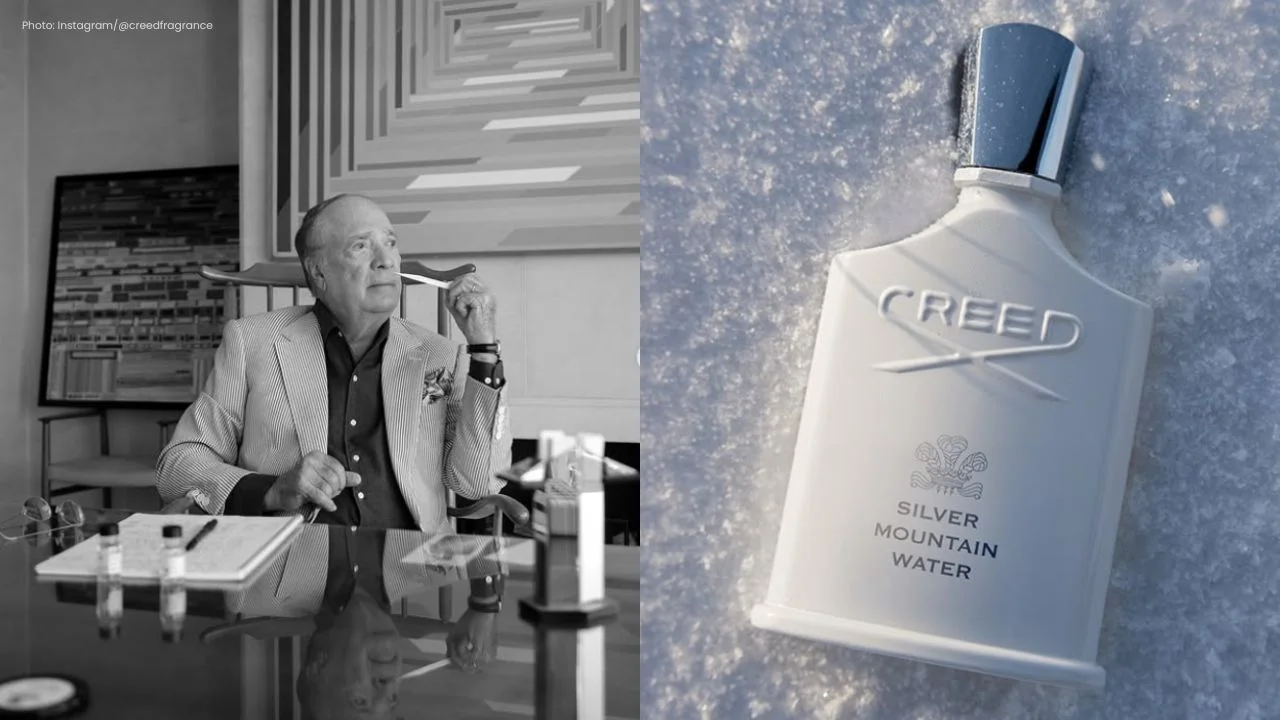
For years, Creed was never simply a perfume brand. It was a feeling — a silent form of luxury understood only by people who truly appreciated fragrance beyond trends and attention. Long before social media transformed perfumes into viral products, Creed represented mystery, elegance, confidence, and exclusivity in a way very few fragrance houses could achieve.
Owning a Creed fragrance once felt personal. People did not wear it to impress everyone around them. They wore it because of the emotional atmosphere it created. The scent became part of their identity — a quiet signature that stayed behind in elevators, restaurants, offices, and unforgettable memories.
But something changed.
Today, many fragrance lovers speak about what they call the “death of the Creed perfume era.” Not because the brand disappeared, and not because the perfumes completely lost their quality, but because the emotional magic surrounding the house slowly faded.
And perhaps the most untold truth is this: luxury dies emotionally before it dies commercially.
The Modern World Destroyed Mystery
One of the reasons Creed became legendary was because it once felt rare. In the past, perfume discovery happened slowly and naturally. Someone would smell an unforgettable fragrance on a stranger and spend weeks trying to identify it. A scent became memorable because it was uncommon. Fragrance lovers explored perfumes privately, emotionally, and without the noise of constant online opinions.
Creed thrived during that era. The house became associated with quiet confidence and refined masculinity. Wearing Creed felt different from wearing ordinary designer fragrances because it carried emotional subtlety rather than loud attention.
But social media changed everything.
Suddenly, fragrance stopped being intimate and became public performance. Perfumes became content. Every influencer repeated the same recommendations, while every platform pushed identical “top luxury fragrances” lists. Instead of discovering scents emotionally, people began discovering them algorithmically.
And once something becomes overexposed, it slowly loses mystery.
That is exactly what happened to Creed.
The Rise of Aventus Changed the Entire Industry
No fragrance changed modern perfume culture more than Aventus.
When Aventus first appeared, it felt revolutionary. Men became obsessed with it instantly. The scent carried confidence, freshness, smokiness, fruitiness, and elegance all at once. It felt luxurious without trying too hard and powerful without becoming aggressive.
People described it almost like an experience rather than a perfume.
Aventus became more than a fragrance. It became a symbol of success, ambition, masculinity, and status. Entire online communities formed around it. Men who previously knew nothing about niche fragrances suddenly became obsessed with perfume culture because of Aventus.
But ironically, the fragrance’s enormous success became the beginning of the end emotionally. Because luxury survives through rarity.
The more people talked about Aventus, the less private it felt. The more it appeared on social media, the less mysterious it became. Eventually, everyone knew it, everyone reviewed it, everyone copied it, and everyone compared it.
A fragrance once associated with exclusivity slowly became mainstream internet culture. And when luxury becomes too visible, something emotional disappears. People no longer feel unique wearing it.
The Hidden Psychology Behind Luxury Perfume
Most people think perfumes are only about smell.
They are wrong.
Perfume is deeply psychological. People buy emotions through fragrance. They buy memories, fantasy, identity, confidence, nostalgia, seduction, and emotional escape. A luxury fragrance becomes powerful because of the emotional world surrounding it.
Creed mastered this emotional storytelling for years. The house felt historic, refined, mysterious, and artistic. People imagined royalty, old European elegance, handcrafted traditions, and timeless sophistication. Whether entirely true or partially mythological did not matter emotionally.
Because luxury depends heavily on imagination.
The problem is that modern internet culture destroys imagination quickly. Everything becomes analyzed publicly. Every formula gets discussed endlessly. Every scent becomes dissected through reviews, comparisons, rankings, and performance tests.
Mystery cannot survive endless exposure.
And once mystery disappears, emotional luxury weakens too.
The Batch Obsession That Changed Fragrance Culture
One of the strangest untold chapters in modern perfume culture involves batch obsession.
People began analyzing tiny differences between Aventus batches almost obsessively. Certain years became legendary. Some claimed older bottles smelled richer, smokier, fruitier, or stronger. Others argued newer formulations felt weaker or inconsistent.
Soon, people were no longer simply enjoying perfume.
They were investigating it.
Consumers discussed production codes more than emotions. Fragrance became technical instead of emotional. Forums exploded with debates about performance, longevity, reformulations, and authenticity.
And slowly, the romance of perfume disappeared behind anxiety.
People started spraying fragrances while searching for flaws instead of feelings.
This emotional shift quietly damaged not only Creed, but modern fragrance culture entirely.
Because perfume should create emotion, not stress.
The Clone Industry Destroyed Exclusivity
Another major reason many people feel the Creed era faded is the explosion of clone fragrances.
As Aventus became globally famous, countless brands created alternatives inspired by it. Some were affordable copies, while others became shockingly similar to the original scent profile. Suddenly, people could smell “like Aventus” without paying luxury prices.
This changed consumer psychology dramatically.
Luxury depends partly on emotional exclusivity. When the scent DNA becomes available everywhere, the original loses part of its emotional uniqueness. People started questioning the value of expensive fragrances entirely. Was luxury really about quality, or was it simply branding and storytelling? The clone industry forced consumers to rethink how they emotionally define luxury. And this created an identity crisis not only for Creed, but for the entire niche fragrance world.
The Death of Quiet Luxury
One of the most fascinating untold truths is that Creed belonged to an older form of luxury — quiet luxury.
The old idea of luxury was subtle. Elegant people did not need to announce what they wore. Expensive taste remained discreet. Fragrance existed privately rather than publicly.
Modern culture reversed that completely.
Today, luxury is highly visible. Collections are displayed online. Expensive bottles become status symbols on social media. People seek compliments, reactions, and attention through fragrance.
Perfume stopped becoming personal style and became social performance. Creed once thrived because it represented understated sophistication. But modern culture rewards visibility more than subtlety. And quiet luxury struggles to survive in loud digital environments.
The Emotional Attachment People Still Carry
One reason conversations about Creed remain emotional is because fragrances become deeply connected to memory. A scent can instantly transport someone back into another version of themselves — the first promotion, a first love, a confident phase of life, a city, a relationship, or a personal transformation.
For many people, Creed fragrances became emotionally tied to important chapters of their lives.
That is why the discussion around the “death” of Creed feels so personal for fragrance lovers.
They are not only mourning perfume.
They are mourning a feeling they once had while wearing it.
Perhaps they miss the excitement of discovering fragrance for the first time. Perhaps they miss who they were emotionally during that era of life. Perhaps they miss a slower world where luxury still felt mysterious.
Perfume holds memory silently. And sometimes people do not miss the scent itself. They miss the person they used to be while wearing it.
Modern Consumers Changed Completely
The modern fragrance consumer behaves differently now.
People constantly chase new releases. Trends change weekly. Viral fragrances dominate social media before disappearing months later. Consumers rarely commit to one signature scent anymore.
Perfume became fast-moving content.
This new behavior makes timeless emotional connection more difficult.
In the past, people wore one fragrance for years. The scent became part of their identity. Today, many consumers own dozens of bottles, constantly rotating between moods, aesthetics, and trends.
Fragrance became temporary.
And temporary culture rarely creates emotional depth.
This change affects every luxury perfume house, not only Creed.
But because Creed once represented timeless exclusivity so strongly, the emotional contrast feels larger.
The Future of Luxury Fragrance
Interestingly, many consumers are now slowly becoming tired of overexposure and endless hype.
People are beginning to crave authenticity again. Personal discovery. Emotional connection. Quiet elegance. Intimate experiences rather than public validation.
This may eventually bring fragrance culture back toward something more meaningful — a future where perfume becomes emotional again rather than performative.
Where people stop asking, “What gets compliments?” and start asking, “How does this fragrance make me feel?”
Because the most unforgettable scents were never only about projection or popularity.
They were about emotion.
More Than A Perfume Brand
At its peak, Creed represented more than luxury fragrance.
It represented atmosphere.
The atmosphere of confidence without arrogance. Sophistication without effort. Elegance without noise.
That emotional identity made the house unforgettable for an entire generation of fragrance lovers.
And while the brand itself continues existing, many people still feel something disappeared emotionally.
Not necessarily the scent.
Not necessarily the quality.
But the mystery.
Because once luxury becomes fully exposed to the world, it loses part of the fantasy that made it powerful in the first place.
And perhaps that is the real untold story behind the death of the Creed perfume era.
People are not only mourning a fragrance house.
They are mourning the disappearance of mystery in modern life itself.