Financial Choices That Matter More During Economic Uncertainty
Economic uncertainty changes how money behaves. Income becomes less predictable, expenses rise unexpectedly, markets fluctuate sharply, and emotional decision-making increases. During stable times, small financial mistakes may not hurt much. During uncertainty, the same mistakes can have long-lasting consequences.
This article explains the most important financial choices that matter more than ever during uncertain economic periods, why they matter, and how making the right decisions early can protect stability, reduce stress, and preserve long-term goals.
Understanding Why Financial Decisions Become Critical in Uncertain Times
Uncertain economies amplify risk. Inflation reduces purchasing power, interest rates fluctuate, job security weakens, and investment volatility increases. This environment rewards people who focus on control, flexibility, and resilience rather than aggressive growth.
The goal during uncertainty is not maximum returns. The goal is financial survival with progress.
Prioritizing Cash Flow Over Income Size
Many people focus on earning more, but during uncertainty, cash flow matters more than income.
Why cash flow becomes crucial
-
Expenses may rise suddenly
-
Payments may get delayed
-
Income streams may fluctuate
-
Emergency needs increase
A high income with poor cash flow still creates stress.
Smart choice
-
Track monthly inflow and outflow clearly
-
Reduce timing gaps between earning and spending
-
Maintain surplus cash flow every month
Positive cash flow gives decision-making power.
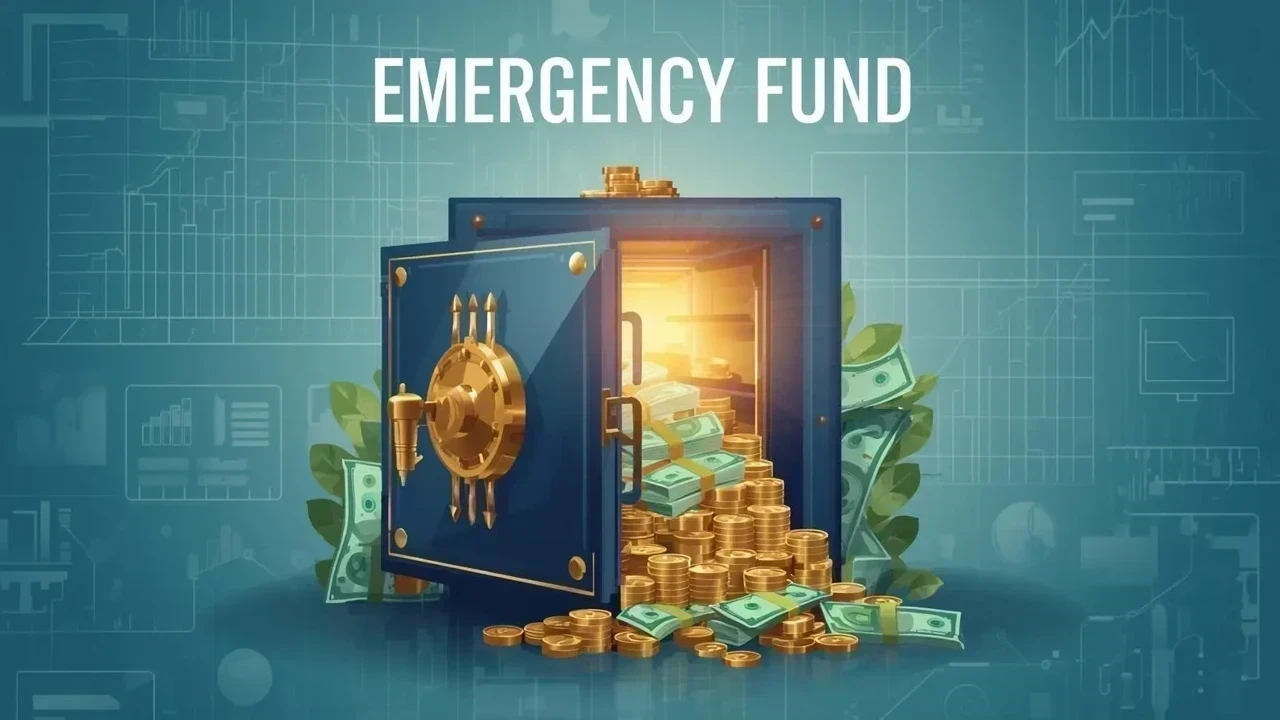
Strengthening Emergency Funds Beyond Basic Advice
Emergency funds are often underestimated during unstable economies.
Why uncertainty demands stronger buffers
Medical costs, job gaps, business slowdowns, and family emergencies become more likely when systems are under pressure.
Smart choice
-
Maintain 6 months of essential expenses at minimum
-
Keep funds liquid and easily accessible
-
Separate emergency money from investment accounts
This prevents forced borrowing or panic selling.
Reducing High-Interest Debt Before It Becomes Unmanageable
Debt becomes heavier during economic stress.
Why debt risk increases
-
Interest rates often rise
-
Income uncertainty makes EMIs stressful
-
Cash flow tightens
High-interest debt silently drains flexibility.
Smart choice
-
Clear credit card and personal loan balances aggressively
-
Avoid converting short-term debt into long-term traps
-
Refinance when possible
Lower debt equals higher resilience.
Choosing Stability Over Aggressive Returns
Chasing high returns during uncertainty often leads to losses.
Why aggressive investing backfires
-
Volatility increases emotional decisions
-
Market timing mistakes become costly
-
Short-term losses create panic
Stability protects long-term plans.
Smart choice
-
Balance growth with capital protection
-
Avoid concentration in one asset class
-
Focus on risk-adjusted returns
Consistency beats speed.
Keeping Liquidity Alongside Long-Term Investments
Liquidity is often ignored until it’s urgently needed.
Why liquidity matters more now
Opportunities and emergencies appear together during uncertain periods. Locked money removes flexibility.
Smart choice
-
Keep part of savings easily withdrawable
-
Avoid locking all funds into long-term commitments
-
Plan liquidity separately from growth goals
Liquidity equals confidence.
Controlling Lifestyle Inflation Ruthlessly
Lifestyle inflation weakens financial defense.
Why it becomes dangerous
When income drops or costs rise, high fixed expenses leave little room to adjust.
Smart choice
-
Keep fixed expenses lower than comfort limits
-
Delay lifestyle upgrades
-
Use income increases to strengthen buffers
Lower lifestyle pressure improves adaptability.
Protecting Purchasing Power From Inflation
Inflation erodes money silently.
Why inflation hurts more during uncertainty
Rising costs combined with unstable income accelerate financial stress.
Smart choice
-
Avoid parking all savings in low-return options
-
Separate short-term money from long-term wealth
-
Gradually increase contributions before costs rise further
The goal is preservation with controlled growth.
Diversifying Income Sources for Stability
Single income dependence increases vulnerability.
Why income diversification matters
-
Job markets tighten
-
Businesses slow down
-
Freelance demand fluctuates
Multiple income sources spread risk.
Smart choice
-
Develop skills that generate secondary income
-
Build scalable income streams gradually
-
Avoid high-risk shortcuts
Even small diversification improves security.
Reviewing Insurance Coverage Proactively
Insurance gaps become expensive during uncertainty.
Why coverage matters more now
Medical inflation, accidents, and emergencies do not wait for financial stability.
Smart choice
-
Review health and life coverage adequacy
-
Avoid underinsurance
-
Upgrade before premiums rise further
Insurance protects progress, not just life.
Avoiding Emotional Financial Decisions
Fear and headlines drive poor decisions.
Common emotional mistakes
-
Panic selling investments
-
Hoarding cash excessively
-
Chasing “safe” trends blindly
-
Making decisions based on news cycles
Emotion-driven actions often lock losses.
Smart choice
-
Follow a written financial plan
-
Reduce decision frequency
-
Focus on long-term objectives
Calm decisions outperform reactive ones.
Maintaining Flexibility in Financial Commitments
Rigid commitments reduce adaptability.
Why flexibility matters
Uncertain environments demand quick adjustments.
Smart choice
-
Avoid long-term commitments without exit options
-
Prefer flexible payment structures
-
Maintain room to adjust expenses
Flexibility equals survival advantage.
Strengthening Skills and Earning Capacity
Your earning ability is your strongest financial asset.
Why skills matter more now
Money can fluctuate. Skills generate income across conditions.
Smart choice
-
Invest in future-relevant skills
-
Focus on productivity and leadership value
-
Improve bargaining power
Higher earning potential offsets uncertainty.
Planning for Goals Without Freezing Progress
Many people stop planning during uncertainty.
Why stopping is risky
Delaying goals often increases future costs and stress.
Smart choice
-
Adjust timelines, not goals
-
Continue contributions gradually
-
Review plans regularly
Progress does not require perfection.
Building a Financial System, Not Isolated Decisions
Strong finances come from systems, not reactions.
What a resilient system includes
-
Emergency buffer
-
Low debt
-
Balanced investments
-
Stable cash flow
-
Insurance protection
Systems absorb shocks better than individual choices.
Why Early Action Matters More Than Perfect Timing
Waiting for clarity often leads to missed preparation.
Those who act early:
-
Avoid panic decisions
-
Preserve lifestyle stability
-
Protect long-term goals
-
Gain confidence during chaos
Preparation beats prediction.
Final Perspective on Financial Strength During Uncertainty
Economic uncertainty exposes weak financial foundations and rewards disciplined ones. The smartest financial choices are not dramatic moves but boring, consistent decisions that improve control, flexibility, and resilience.
Money behaves best when managed calmly—even when the world does not.
Disclaimer
This article is intended for general informational and educational purposes only and does not constitute financial, investment, or legal advice. Financial decisions should be based on individual goals, risk tolerance, and personal circumstances. Readers are advised to consult a qualified financial professional before making significant financial changes.