The ongoing war between Russia and Ukraine highlights the precariousness of peace discussions. Despite emerging dialogues regarding a potential truce, renewed drone and missile assaults have led to fatalities and property destruction, raising uncertainties about whether a ceasefire can genuinely be achieved.
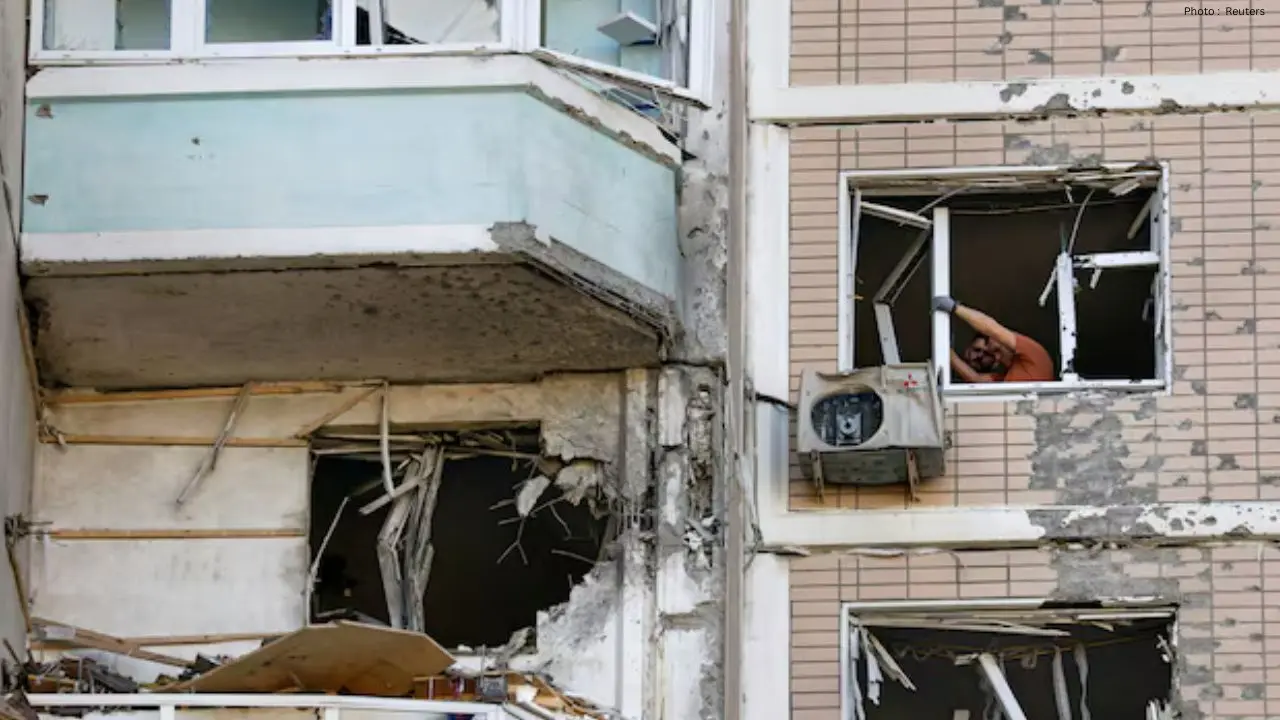
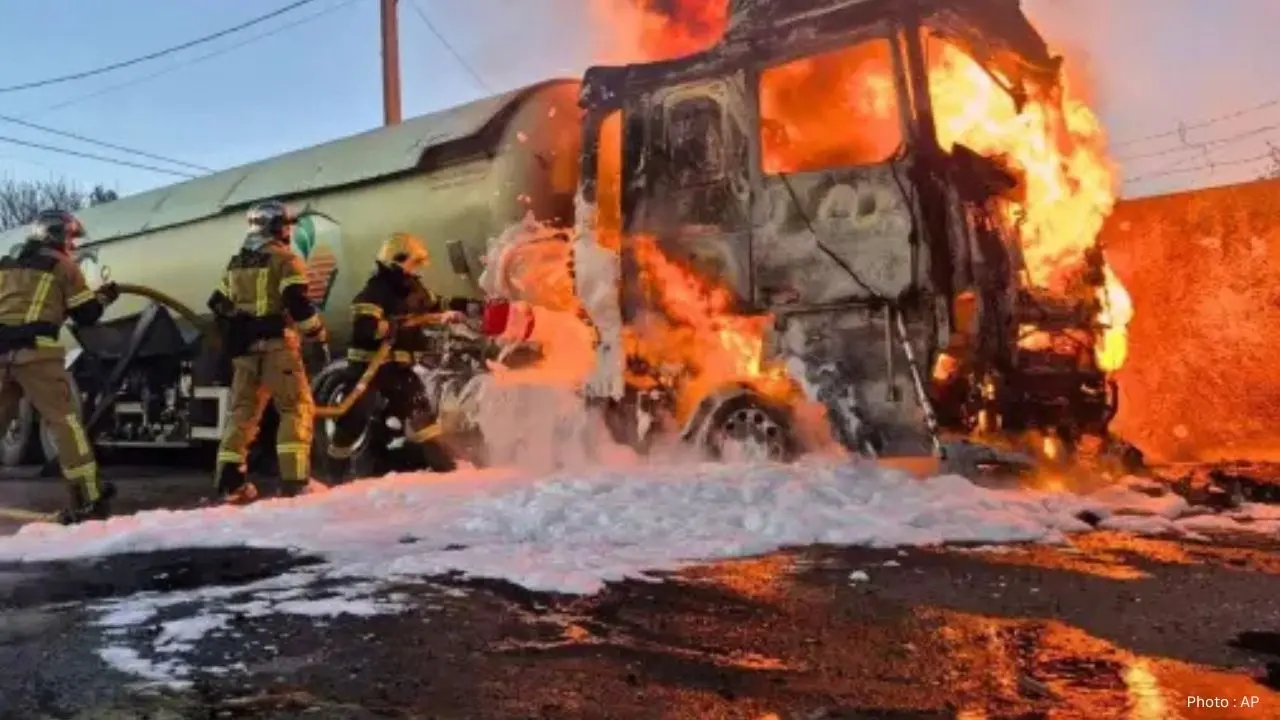
Recent updates reveal that Russian forces have executed extensive attacks deploying drones and missiles throughout Ukraine. Significant infrastructure, such as gas facilities and power systems, suffered damage. Reports indicate at least five fatalities and numerous injuries due to these strikes.
Perhaps most alarming is the timing of these assaults, coinciding with a planned truce commemorating Victory Day, a significant historical moment in Russia. Ukrainian President Volodymyr Zelenskyy condemned the actions as indicative of “cynicism,” pointing out the ongoing violence amid discussions for peace.
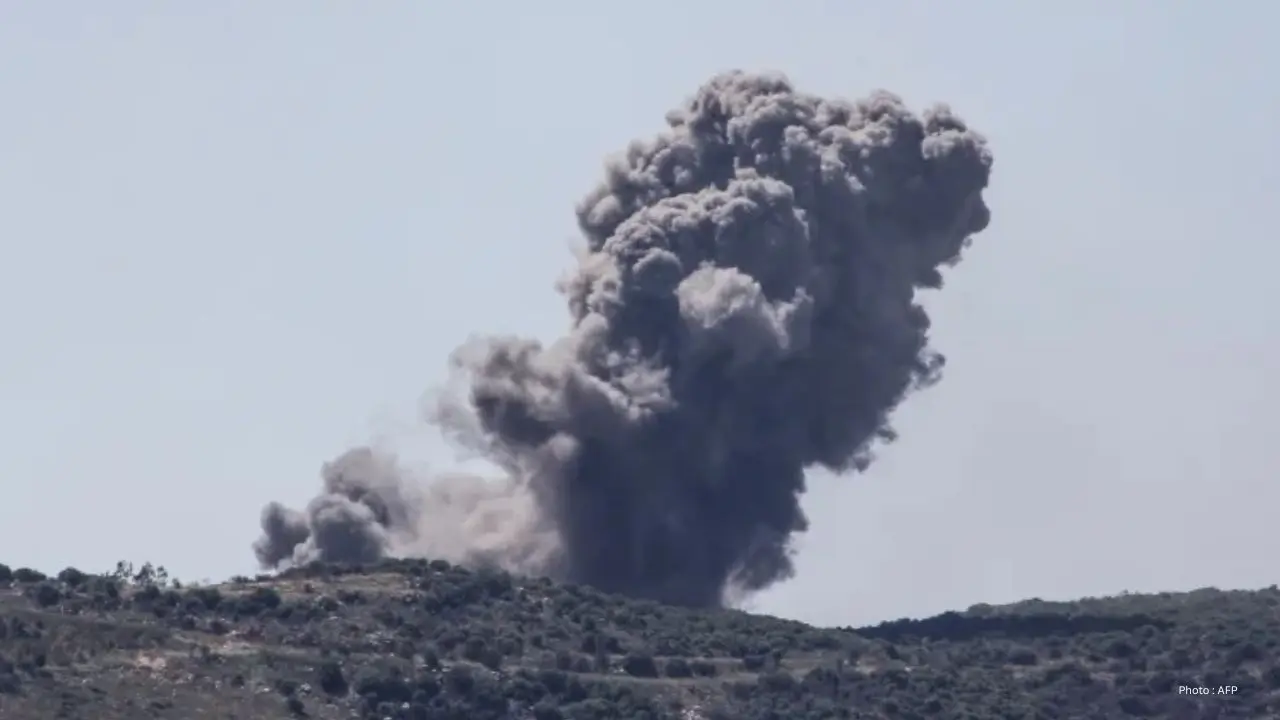
The magnitude of the recent attacks underscores the conflict's escalating intensity, with reports evidencing the launch of multiple ballistic missiles alongside over a hundred drones in one wave. While Ukrainian defenses managed to intercept many, some attacks succeeded in hitting critical targets, resulting in significant devastation.
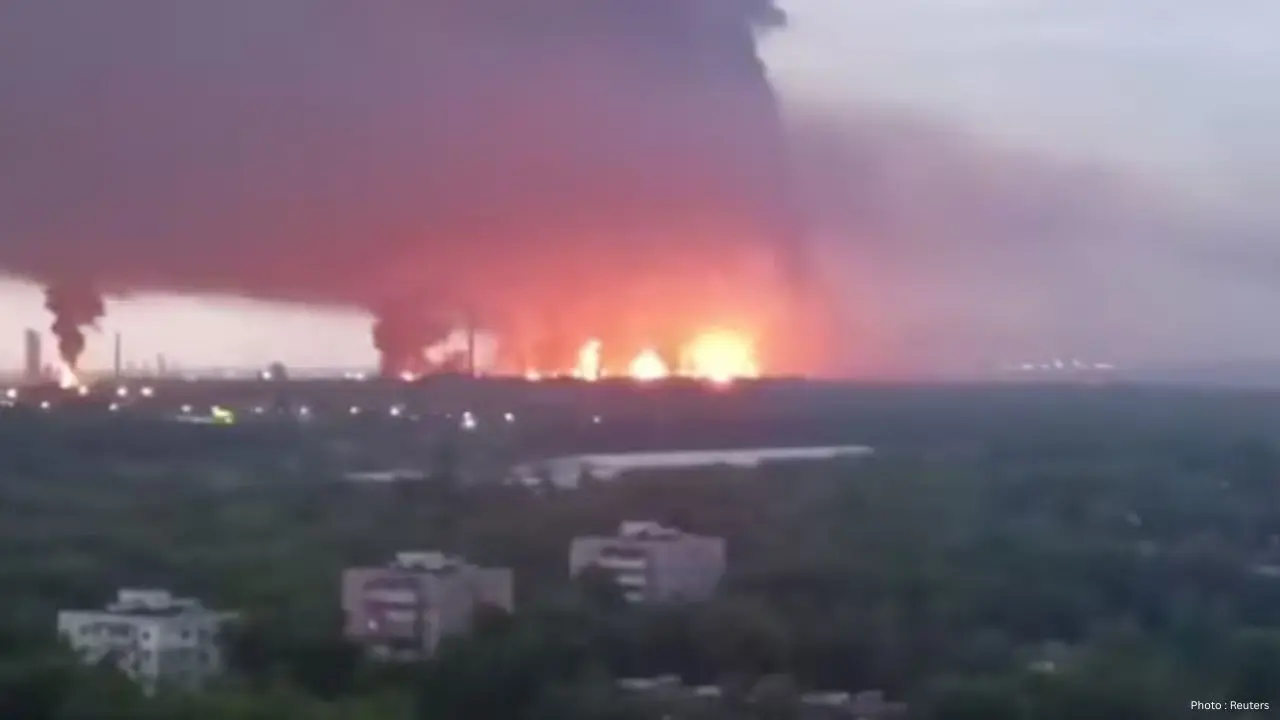
Ukraine, in response, has conducted strikes targeting military and industrial sites within Russia, including oil refineries and defense installations, highlighting that hostilities are ongoing and mutual.
Both nations have expressed interest in temporary ceasefires, with Russia proposing a short truce for Victory Day and Ukraine advocating for an earlier halt in hostilities. However, previous experiences reveal that such truces often falter, with both parties blaming one another for violations.
This troubling cycle of “talk and strike” is becoming increasingly common in the ongoing struggle. Even with ceasefires declared, attacks tend to persist in various forms, particularly through the use of drones. These unmanned technologies complicate tracking efforts and permit both sides to apply pressure without engaging in full-scale conflicts.
A disconcerting pattern has emerged, with critical infrastructure frequently being targeted. Gas facilities, power plants, and transportation networks are often impacted, undermining military capabilities and affecting civilians’ daily lives through power shortages and economic repercussions.
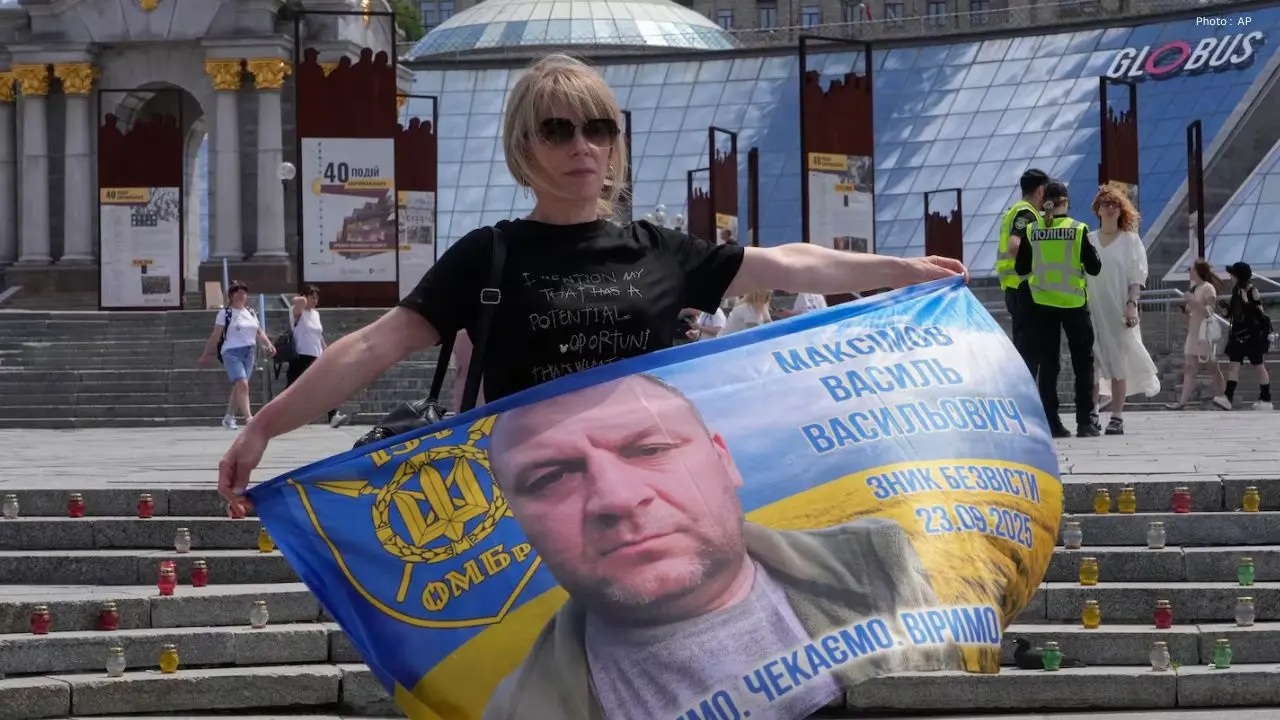
The human toll of this war is staggering, as civilians, workers, and rescue teams have fallen victim to recent strikes. Alarmingly, secondary attacks have targeted emergency responders, amplifying the fear and danger felt on the ground.
Nevertheless, both parties continue to seek temporary peace solutions amidst the turmoil. A significant hurdle remains the profound distrust between them, with each side questioning the other's intentions, thereby complicating efforts for a lasting ceasefire.
Growing global interest in the continuing Russia-Ukraine conflict and its expanding effects is evident. This conflict is influencing not just regional dynamics but also global markets, energy resources, and international relations.
Experts emphasize the necessity for robust diplomatic interventions; without these efforts, the cycle of engagement and ceasefires is likely to persist. Solely military endeavors are improbable to yield lasting peace; negotiations, ongoing dialogues, and international cooperation will be crucial for advancing toward stability.
Current developments demonstrate that while discussions around peace exist, the real conditions on the battlefield remain fraught with danger. The continual strikes serve as a stark reminder that the war is far from resolved, and genuine peace will necessitate considerable commitment from all involved parties.