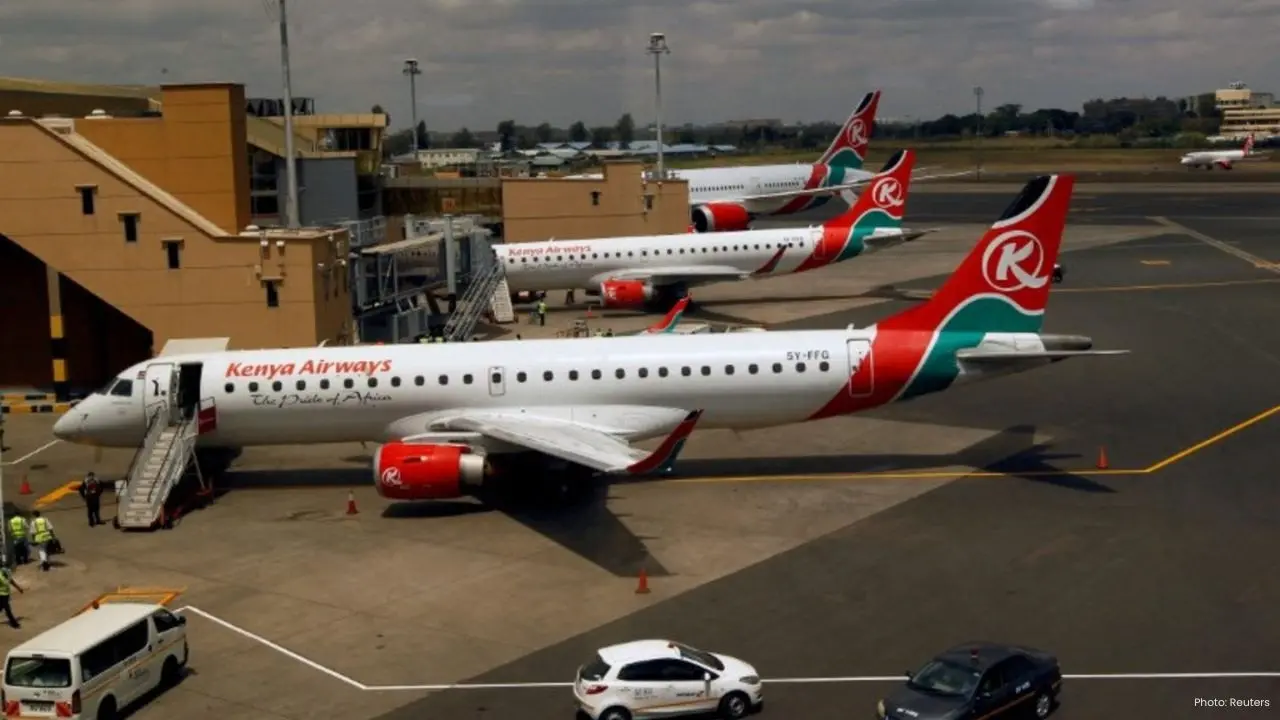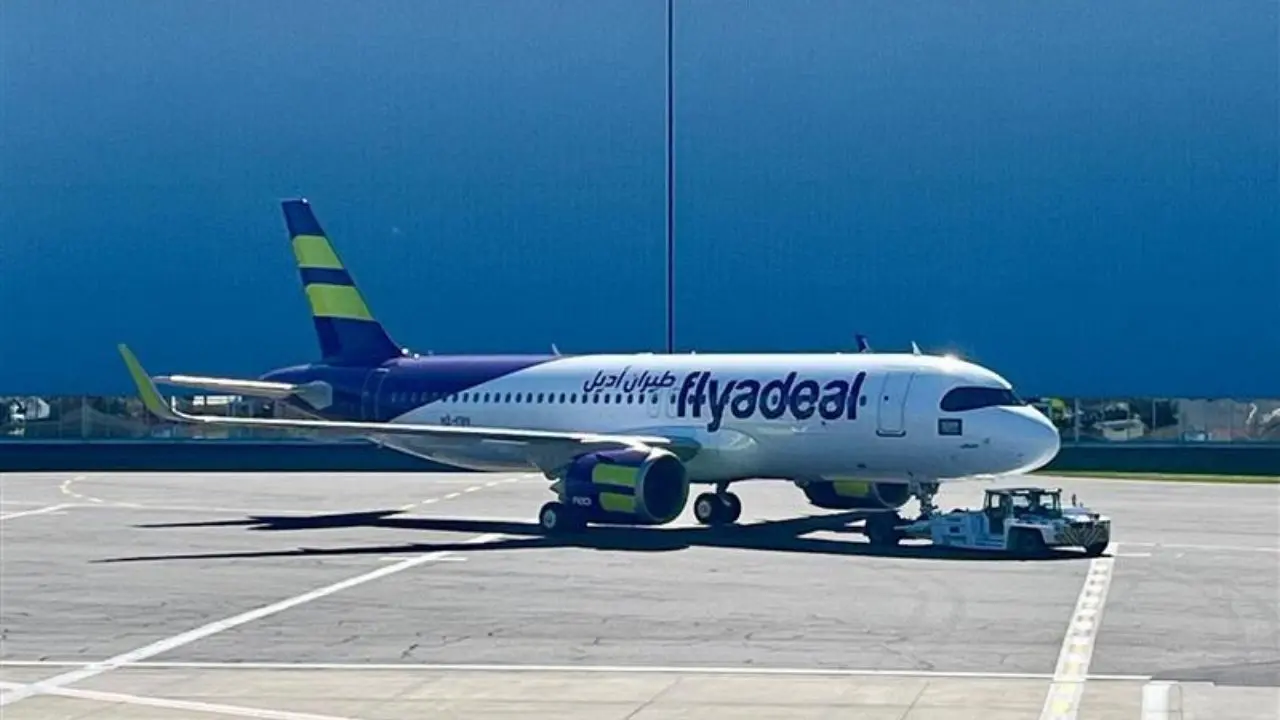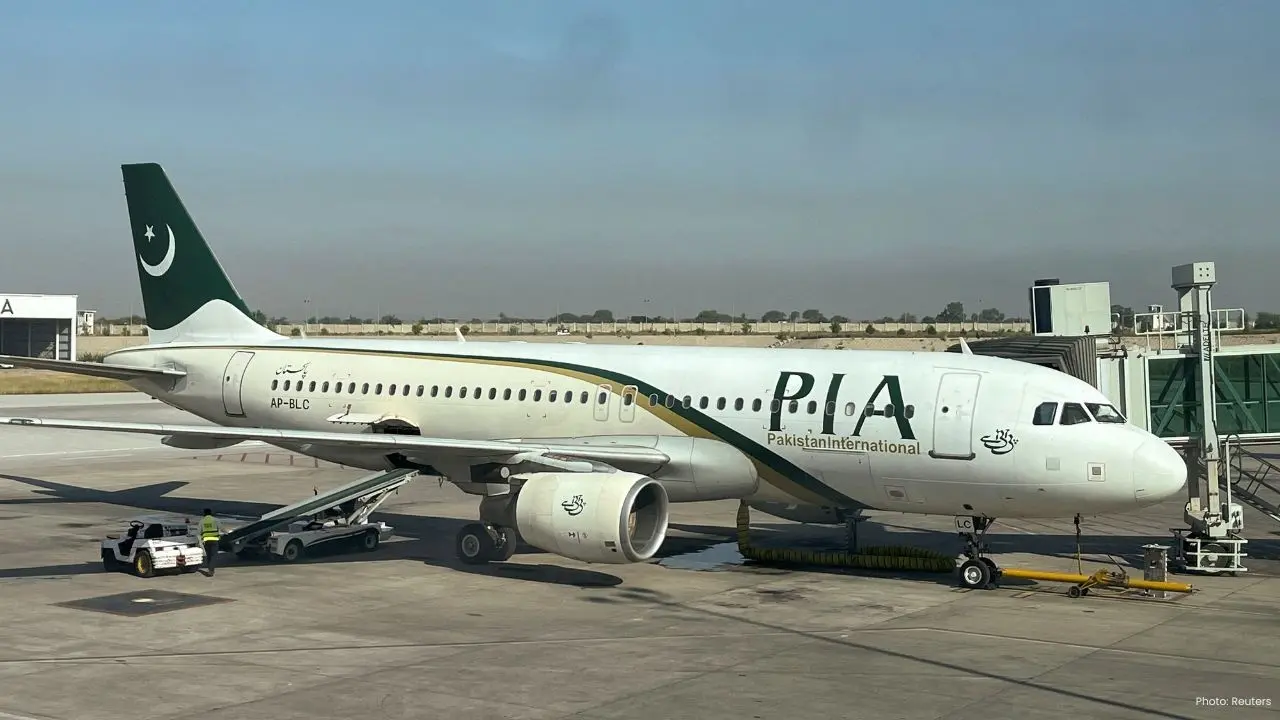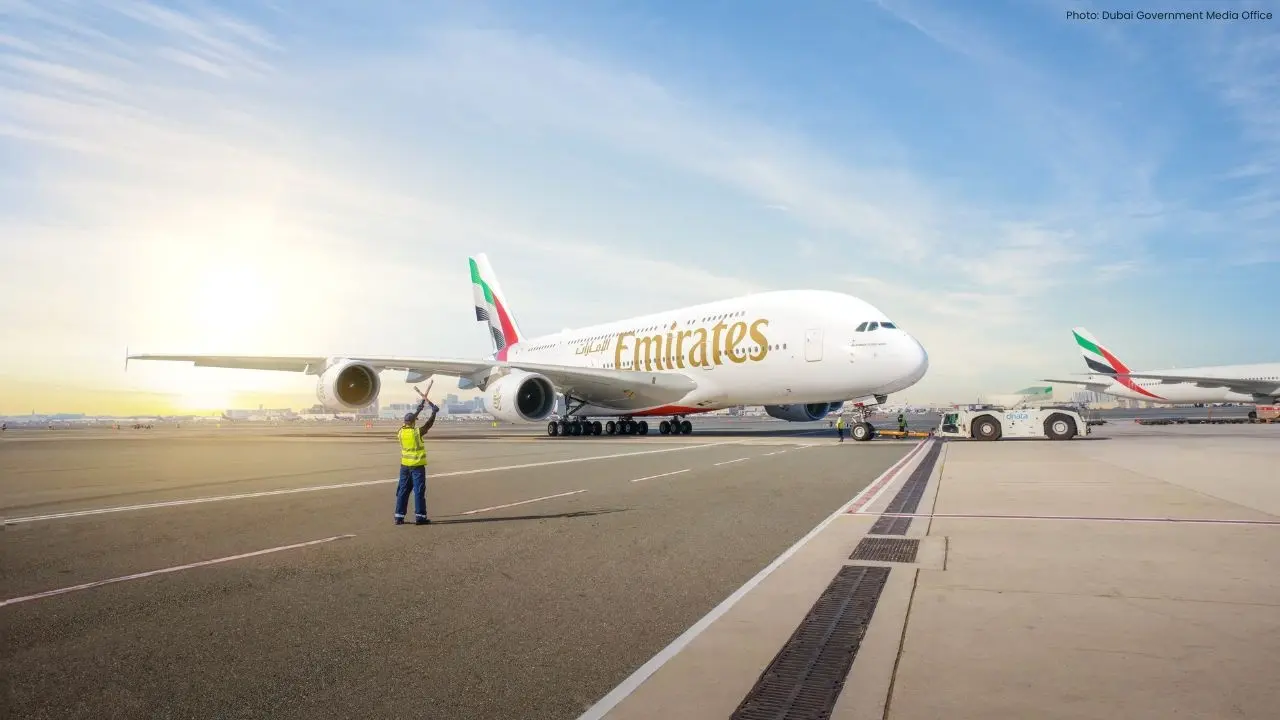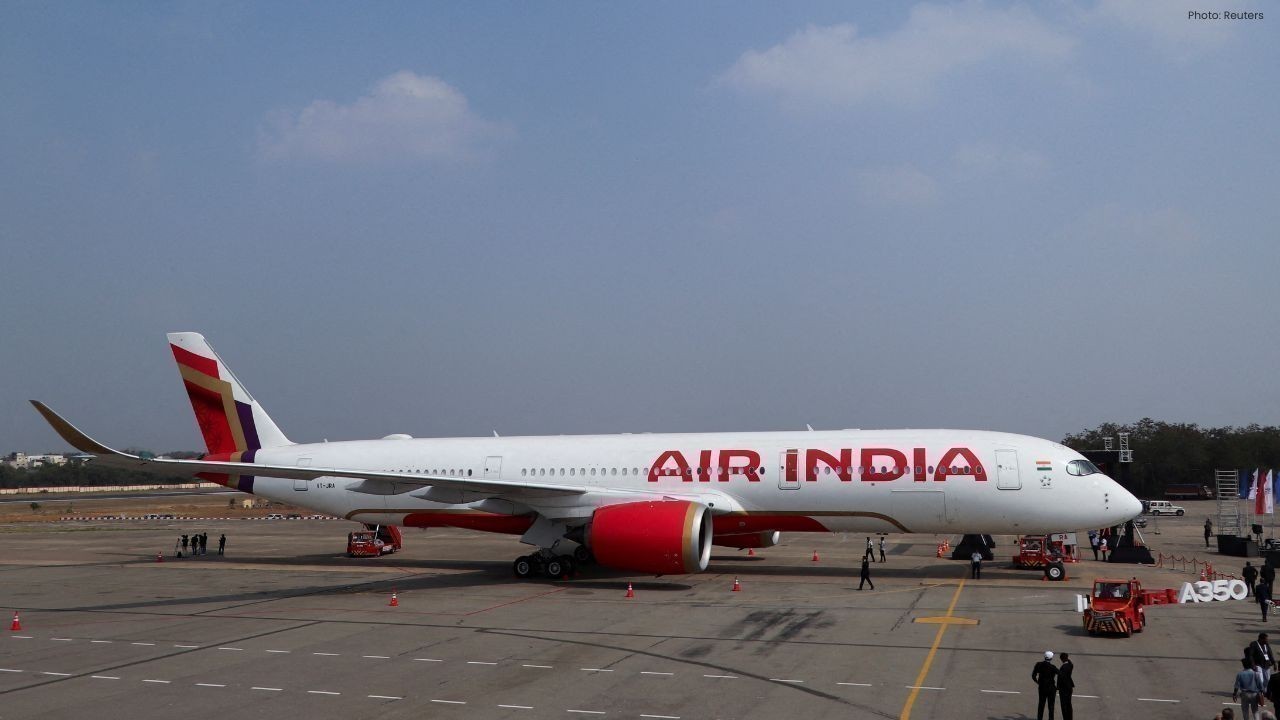
India’s aviation regulator, the Directorate General of Civil Aviation (DGCA), has granted a temporary relaxation in flight duty time limits for pilots of Air India. The move comes as airlines continue to face operational disruptions due to the closure of parts of Middle East airspace during the ongoing conflict involving the United States, Israel and Iran.
Longer Routes Causing Operational Challenges
Due to airspace restrictions in parts of the Middle East, many international airlines are forced to take longer alternative routes. These detours have significantly increased flight durations, especially on long-haul routes connecting India with Europe and North America.
To manage these longer flight paths, DGCA has allowed Air India to extend duty limits for certain long-haul flights operated by two pilots.
New Duty and Flight Time Limits
According to an internal circular from Air India’s flight operations department:
-
Maximum flight time for pilots has been increased by 1 hour 30 minutes, allowing flights of up to 11 hours 30 minutes.
-
The Flight Duty Period (FDP) — which starts when a pilot reports for duty and ends after the aircraft shuts down at the destination — has been extended by 1 hour 45 minutes.
-
The new maximum duty limit is now 14 hours 45 minutes.
These relaxations are meant to help airlines operate longer routes caused by regional airspace restrictions.
Safety Measures During the Relaxation Period
Air India said several operational safeguards will remain in place during this temporary exemption to maintain safety standards. These include:
-
Close monitoring in coordination with DGCA
-
Special pre-flight briefings for crew operating under extended limits
-
Additional rest arrangements for pilots
-
Four extra hours of rest for crew members assigned to these flights
The airline has also received a temporary exemption from the mandatory 30-minute roster planning buffer normally required under India’s crew scheduling regulations.
The relaxations took effect on March 13 and will remain valid until April 30. They will apply only to flights directly affected by Middle East airspace disruptions. Operational details for affected flights will be communicated to pilots through company NOTAM briefings.
Pilots’ Body Raises Safety Concerns
The Federation of Indian Pilots (FIP) has expressed concern over the extension of duty limits for two-pilot operations.
In a letter to the regulator, the pilots’ body warned that relaxing fatigue management rules could increase risks related to pilot fatigue and potentially impact flight safety. According to the federation, international studies show that pilot alertness and cognitive performance can decline significantly when duty periods approach or exceed 13 hours.
The association also highlighted that fatigue risks increase when pilots operate during the Window of Circadian Low, a period when the human body naturally experiences reduced alertness. During such periods, pilots may still need to handle demanding tasks such as weather diversions, fuel planning due to rerouting and complex landing procedures in busy airspace.
Another concern raised was the absence of clear limits on the number of sectors or landings within the extended duty period. The federation warned that pilots could end up performing multiple landings toward the end of a long duty period, even though landing is considered one of the most demanding phases of flight.
Concerns Over Rest Conditions
The pilots’ body also noted that certain cockpit seat limitations could affect rest quality during long flights. According to the federation, restrictions on the captain’s seat recline and rear movement make it harder for pilots to achieve a proper rest posture during cruise segments.
It also cited increased block times on rerouted sectors, mentioning that pilots on the Delhi–Amsterdam route are currently logging around 11 hours and 44 minutes of flight time.
Pilots Seek Review of Decision
The Federation of Indian Pilots has urged DGCA to review the exemption and consider additional safety measures. These include:
-
Adding extra crew members on long-haul flights
-
Monitoring pilot fatigue levels more closely
-
Consulting pilot representative bodies before extending duty limits
The situation highlights the growing operational pressure on airlines as global aviation routes continue to be disrupted by geopolitical tensions and airspace restrictions.