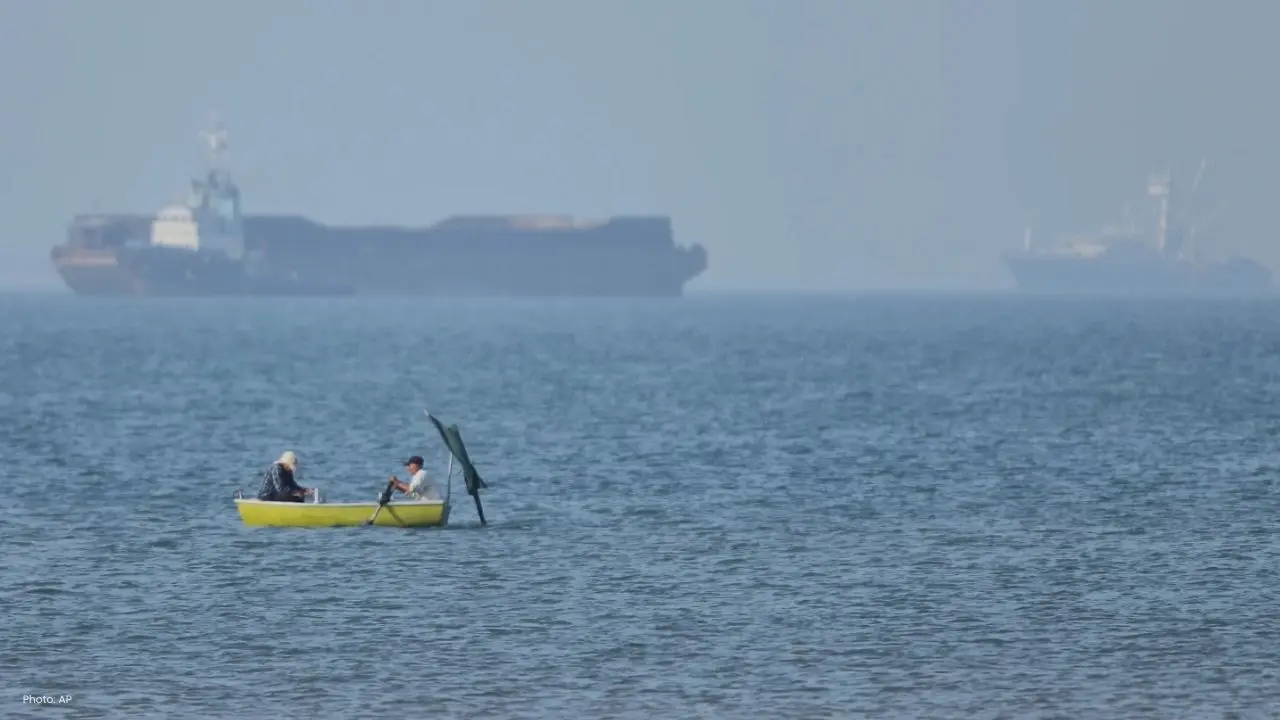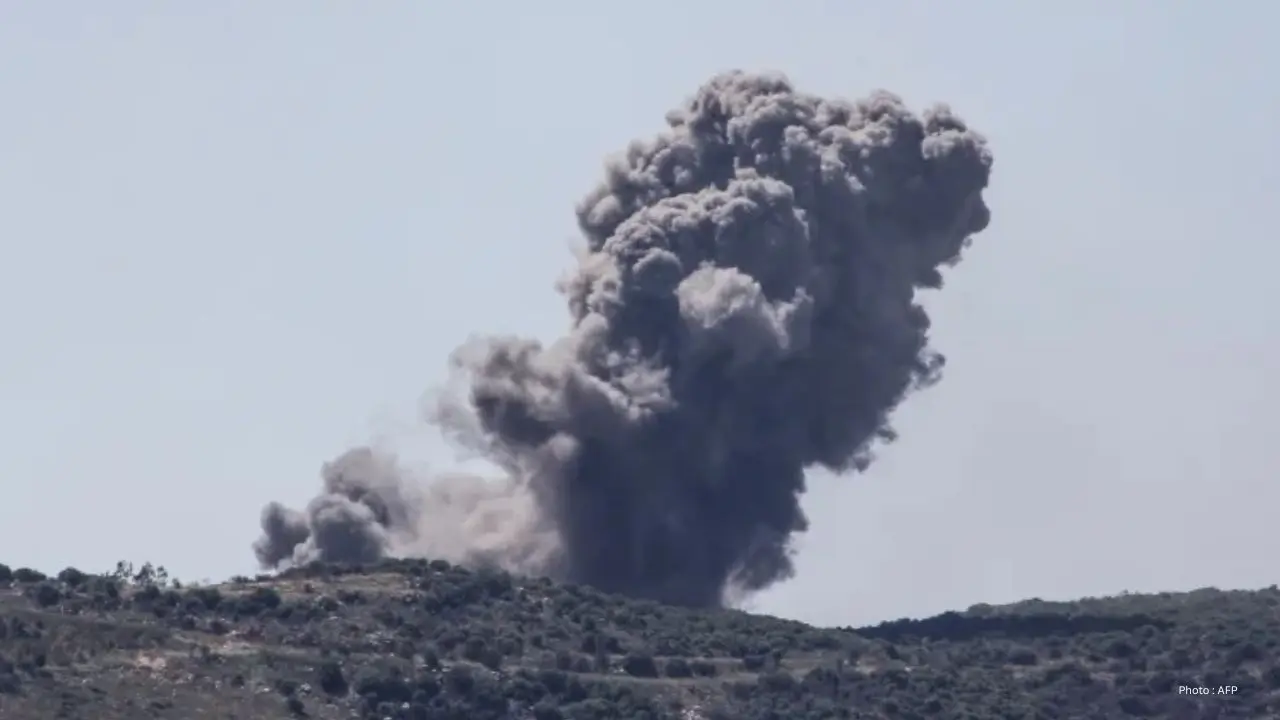
In a significant move, the United States military executed strikes on two empty Iranian-flagged oil tankers close to the Gulf of Oman as regional tensions escalate. U.S. Central Command (CENTCOM) reported that these vessels were attempting to breach an ongoing American naval blockade linked to the escalating conflict involving Iran and broader regional security operations. Officials stated that the ships were incapacitated prior to reaching Iranian shores.
According to CENTCOM, the two oil tankers were intercepted on Friday after American forces detected their approach towards Iranian waters, violating blockade protocols. Notably, the vessels were “unladen,” meaning they carried no oil or cargo at the time of the military strike. In a previous operation earlier in the week, another Iranian-flagged tanker was similarly disabled.
A U.S. Navy F/A-18 Super Hornet, launched from the USS George H.W. Bush, played a pivotal role in this operation. Reports indicate that the aircraft targeted the smokestacks of the identified vessels, known in various outlets as the Sea Star III and Sevda. Following the attacks, CENTCOM confirmed that all three vessels involved were “no longer en route to Iran.”
This recent military action is part of a broader U.S. strategy to maintain a naval blockade encompassing Iran, initiated in April 2026 amidst increasing regional tensions and allegations surrounding Iranian military actions in the Strait of Hormuz and Gulf of Oman. U.S. officials assert that the operation aims to curb Iranian oil movements and protect commercial shipping routes from potential threats.
Iran has vehemently condemned these strikes, accusing the U.S. of breaching a ceasefire agreement. Iranian officials labeled the attacks as perilous, warning that ongoing military actions could heighten instability throughout the region. Tehran further asserted that recent U.S. maneuvers jeopardize diplomatic attempts to alleviate tensions between the two nations.
The Strait of Hormuz stands as a crucial shipping corridor, with a significant percentage of global oil exports traversing this route daily. In light of the prevailing crisis, oil markets have remained exceedingly sensitive to military updates from the region. Following reports of the strikes on the tankers, global oil prices witnessed another uptick amid anxieties regarding potential escalations between the United States and Iran.
CENTCOM reported that approximately 70 commercial vessels have been redirected or barred from entering Iranian ports since the blockade commenced. U.S. military officials confirmed ongoing enforcement operations throughout the Gulf, supported by warships, surveillance aircraft, and allied naval forces. The U.S. government reiterates its commitment to safeguarding international shipping lanes while pressing Iran for broader security and diplomatic agreements.
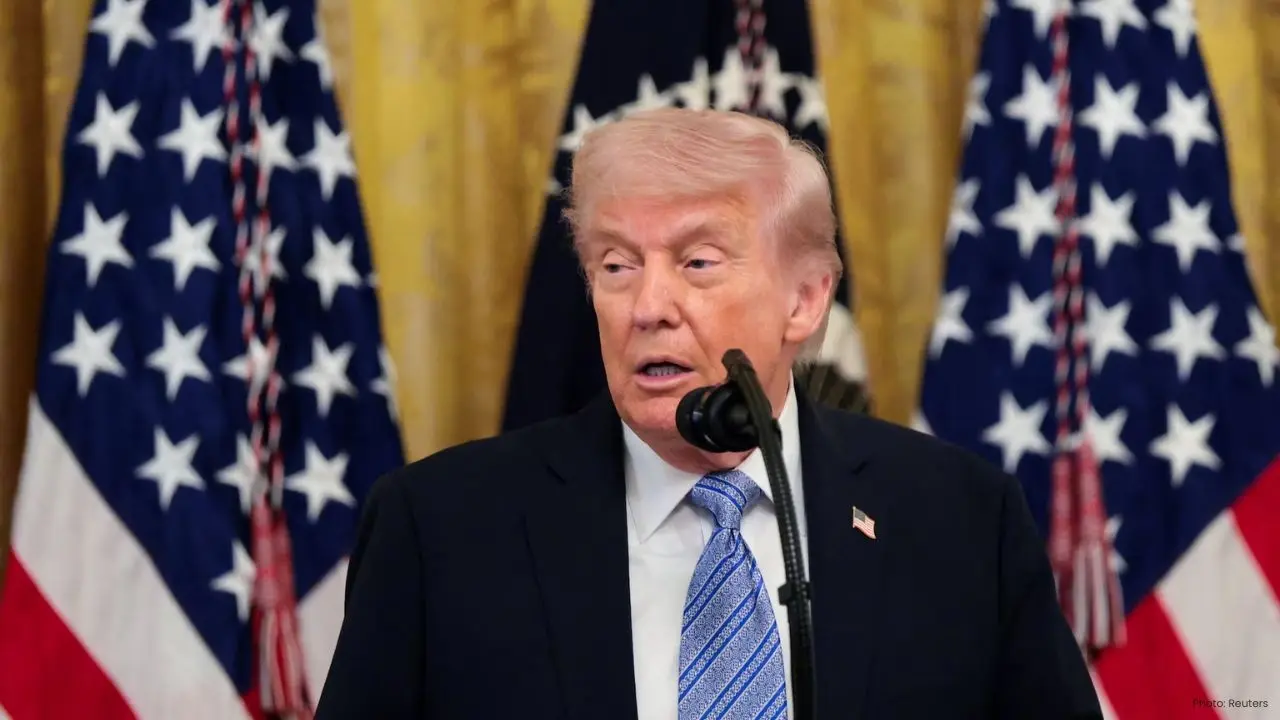
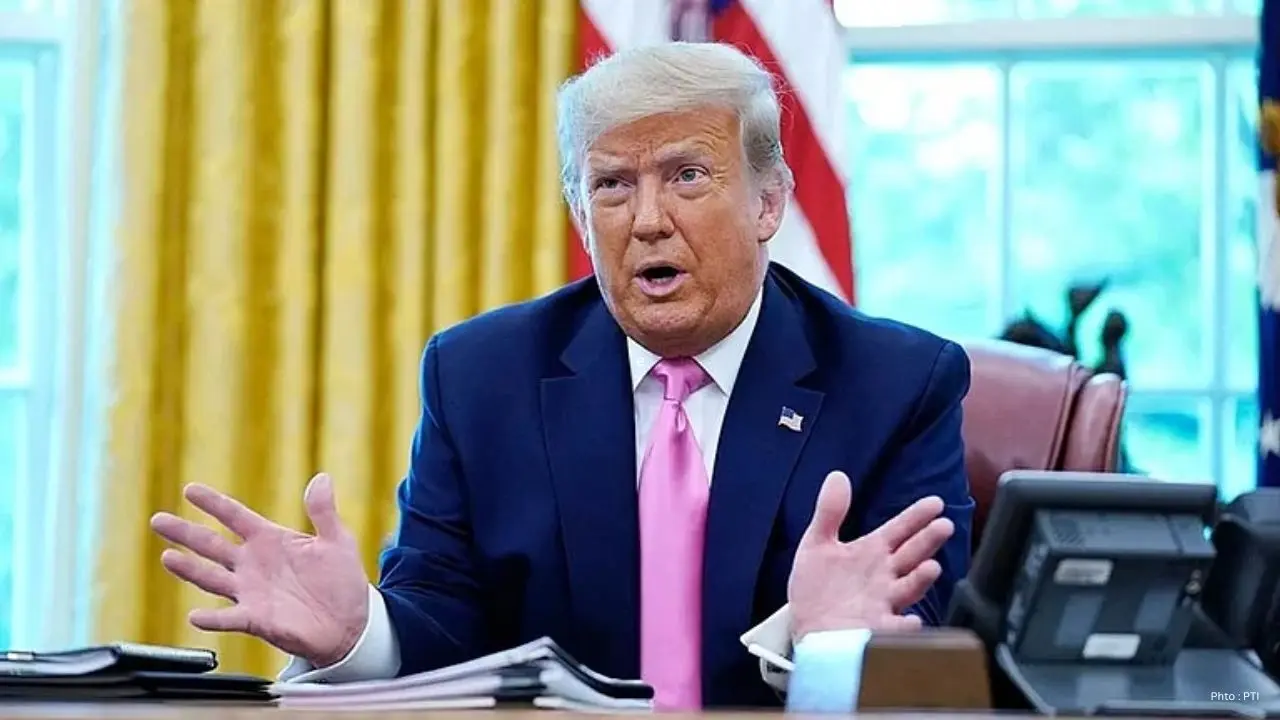
Despite these recent hostilities, diplomatic exchanges between Washington and Tehran persist through international mediators. President Donald Trump recently affirmed that a fragile ceasefire with Iran remains technically intact, even as both nations accuse each other of breaches. Analysts caution that any further military confrontations in the Strait of Hormuz could swiftly impact global energy supplies and escalate geopolitical tensions in the Middle East.