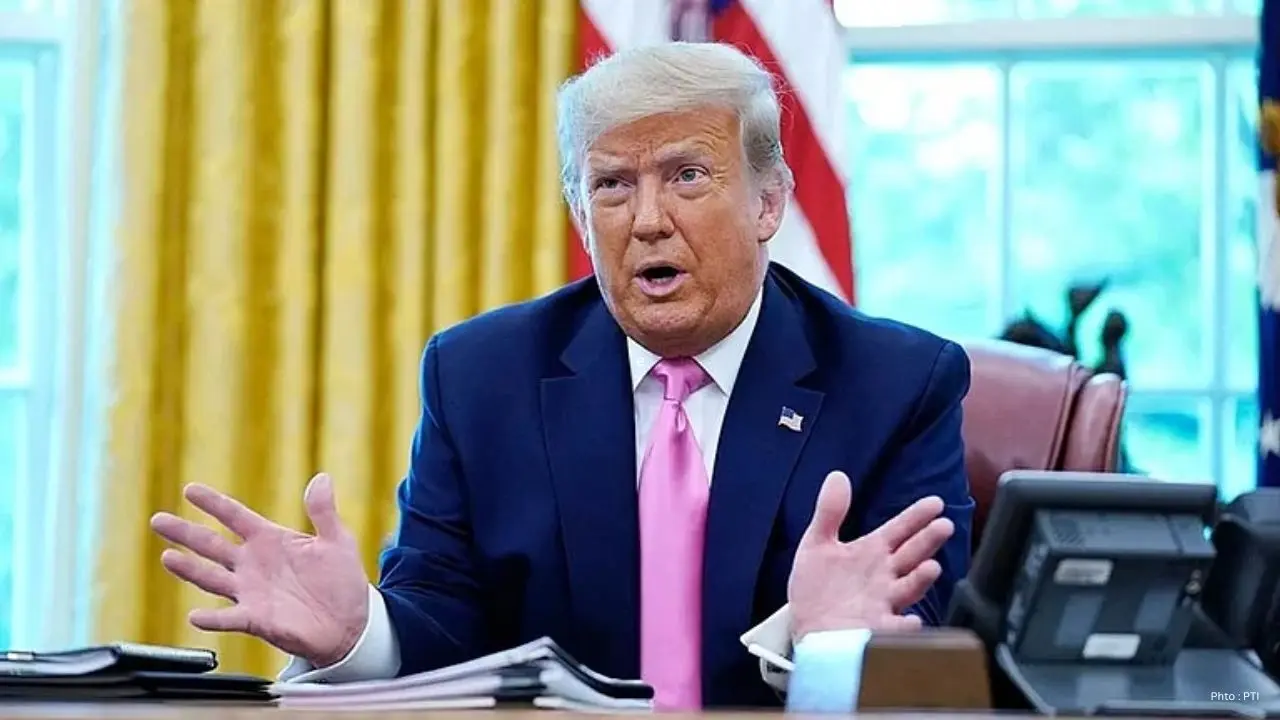
A federal court in the United States has invalidated former President Donald Trump’s proposed global tariff strategy, determining that he overstepped his legal limits by enforcing extensive import taxes under emergency economic provisions. This ruling marks a significant legal hurdle for Trump's trade initiatives, with potential repercussions for future presidential authority concerning international trade.
The judgment established that the president does not possess unrestricted power to levy tariffs on imports without legislative approval from Congress. The bench articulated that the emergency powers statute utilized by Trump's administration wasn't designed for imposing sweeping global tariffs that affect multiple nations and sectors. The ruling emphasized that such measures require explicit legal permission and defined constraints under the U.S. Constitution.
This case garnered considerable attention from business leaders, trade specialists, and political figures due to the possible effects the proposed tariffs could have on global supply chains and consumer costs. Various enterprises and trade bodies challenged Trump's tariff initiative in court, contending it could harm American industries, escalate prices on everyday items, and create uncertainty within international markets.
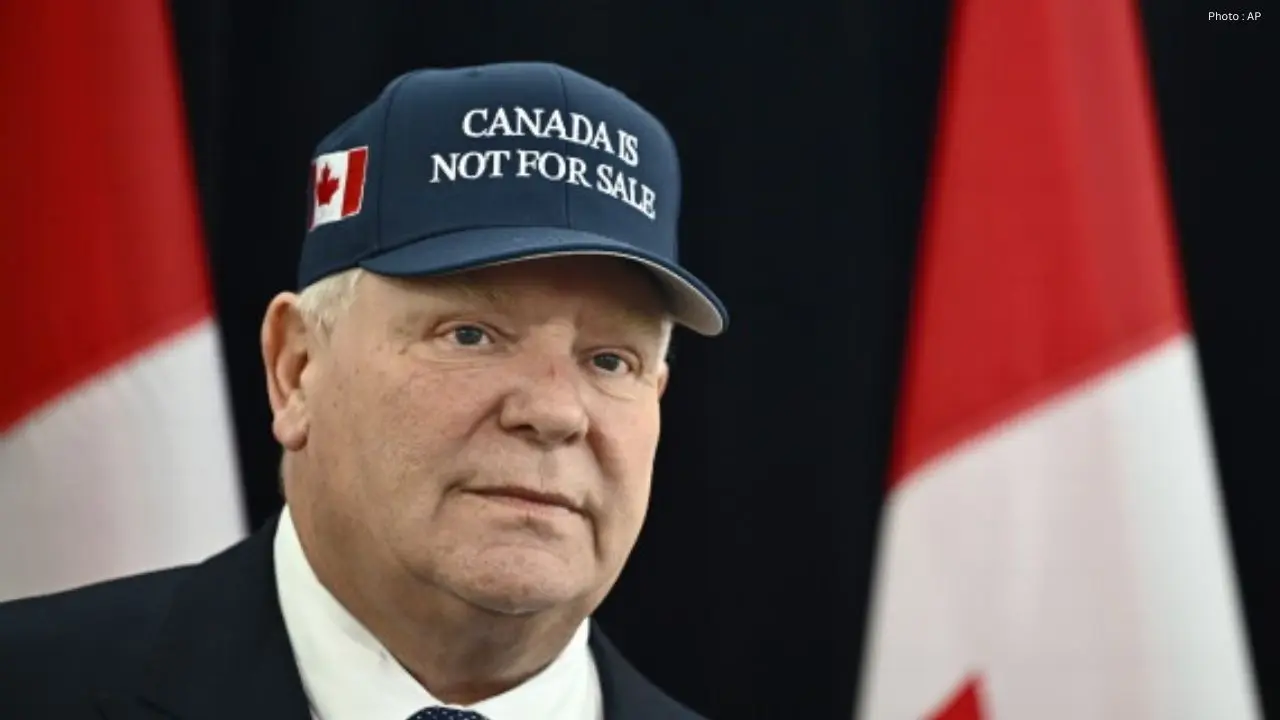
During his tenure, Trump vigorously championed tariffs as a pillar of his “America First” policy. He asserted that such tariffs were essential for safeguarding U.S. manufacturing, reducing trade imbalances, and pressuring foreign governments during negotiations. Previously, Trump had enacted tariffs on goods from China, Europe, Canada, and other nations, inciting tensions in global trade relationships.
The court’s ruling indicated that while presidents are granted specific emergency economic authorities, those powers are not limitless and must operate within well-defined legal boundaries. Judges cautioned that permitting unrestricted tariff powers under emergency statutes could grant future presidents excessive authority over trade without congressional checks. Legal analysts suggest this ruling may serve as a significant reference for forthcoming cases surrounding executive power and economic policy.
Business organizations expressed approval of the ruling, emphasizing that stable trade regulations are vital for economic development and fostering investor confidence. Many firms had voiced trepidation that sweeping tariffs could elevate production costs, disrupt imports, and add strain on consumers already facing inflationary pressures. Some economists also cautioned that global tariffs could provoke retaliatory actions from other nations, jeopardizing international trade relations.
Trump’s supporters rebuked the court’s decision, arguing that robust tariff measures are critical for shielding American industries from inequitable foreign competition. They contend that this ruling hampers the capacity of future presidents to act swiftly during trade conflicts or economic threats posed by foreign nations. Allies of Trump further assert that the court's finding could undermine efforts to bolster domestic manufacturing and job creation.
Appeals against the decision are anticipated, suggesting that this matter may advance to higher courts in the ensuing months. Political observers speculate that this case could emerge as a key discussion point in the upcoming U.S. election, as conversations around trade, presidential powers, and America’s economic standing internationally continue.