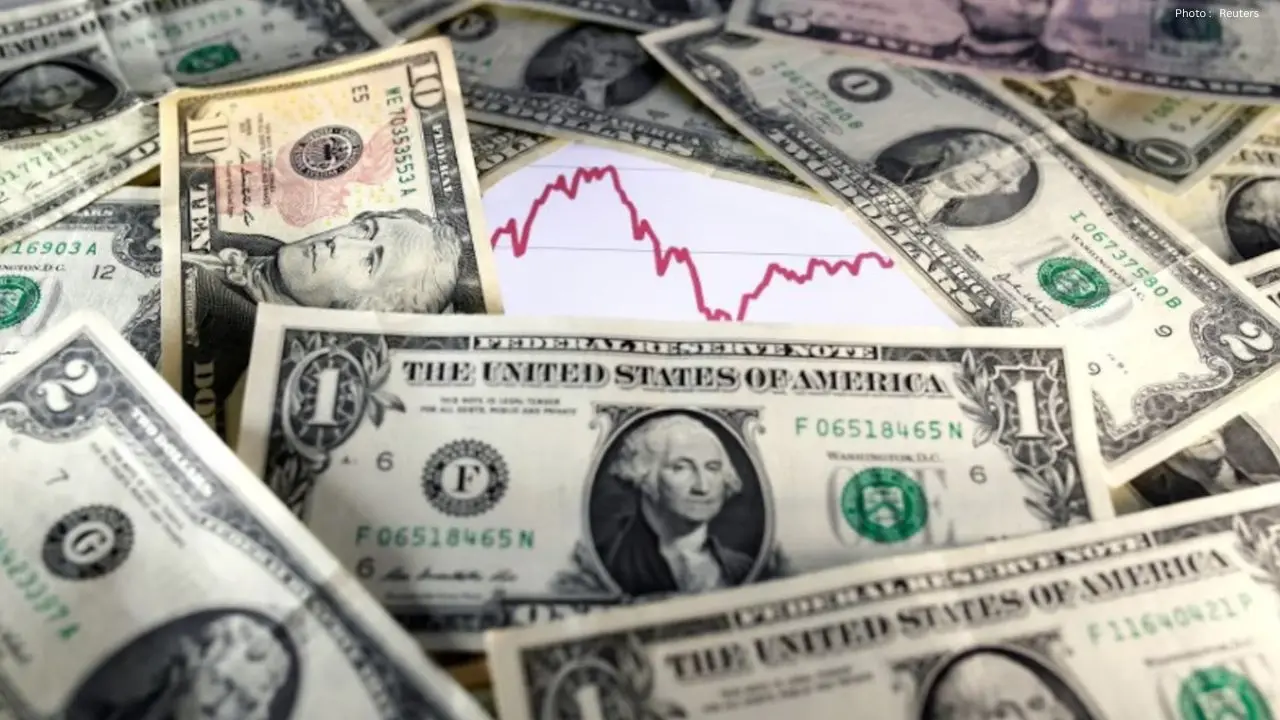
As tensions in the Middle East escalate, the US dollar is gaining strength, putting pressure on global financial markets. The unrest has intensified due to disruptions in the Strait of Hormuz, a critical shipping lane for oil.
Recent trends indicate that investors are seeking refuge in safer assets like the U.S. dollar, reflecting a typical response during times of turmoil. Consequently, the dollar has achieved its highest value in about a week against other major currencies.
This dollar rise coincides with renewed hostilities between the U.S. and Iran, which have already influenced global trade and energy supplies. A key event was the U.S. seizure of an Iranian cargo ship, prompting swift backlash from Iran and heightening concerns of further conflict.
The Strait of Hormuz, through which roughly 20% of global oil is transported, has also been impacted. Disruptions here resonate immediately within international markets. Shipping operations have been hindered, leading to blocked or restricted pathways.
Consequently, crude oil prices have surged by over 5% to 6% recently amid fears of potential supply shortages. This spike in oil prices can result in higher expenses for transportation, production, and everyday living costs worldwide.
The strengthening dollar is also affecting other asset classes. Gold prices, typically seen as a safe haven, have dropped, as a stronger dollar renders gold pricier for international buyers. This illustrates the interconnectedness of global economic components.
Stock markets have responded with a mixed bag of outcomes. While some markets show declines driven by uncertainty, others display signs of stability. Investors are closely monitoring developments to gauge whether the situation may escalate or calm down.
Market analysts observe that, despite noticeable reactions, investor sentiment remains cautious. Many hold onto the hope for a diplomatic resolution between the U.S. and Iran, aiming to de-escalate the ongoing tensions. Yet, should the situation deteriorate further, the global economic ramifications could be significant.
The Strait of Hormuz is of paramount importance as a conduit for oil-producing nations to global markets. Disruptions in this route trigger ripple effects throughout the global economic landscape, influencing everything from energy prices to currency values.
This crisis underscores how geopolitical developments can profoundly impact financial systems. A single incident in one area can rapidly influence currencies, equities, and living costs worldwide, reflecting the complexity of today’s global economic environment.
The next few days will be crucial in ascertaining the trajectory of the situation. Should diplomatic efforts succeed and trade routes reopen, market stability may return. Conversely, ongoing conflict could lead to even higher oil prices, further dollar strengthening, and increased uncertainty within the global economy.