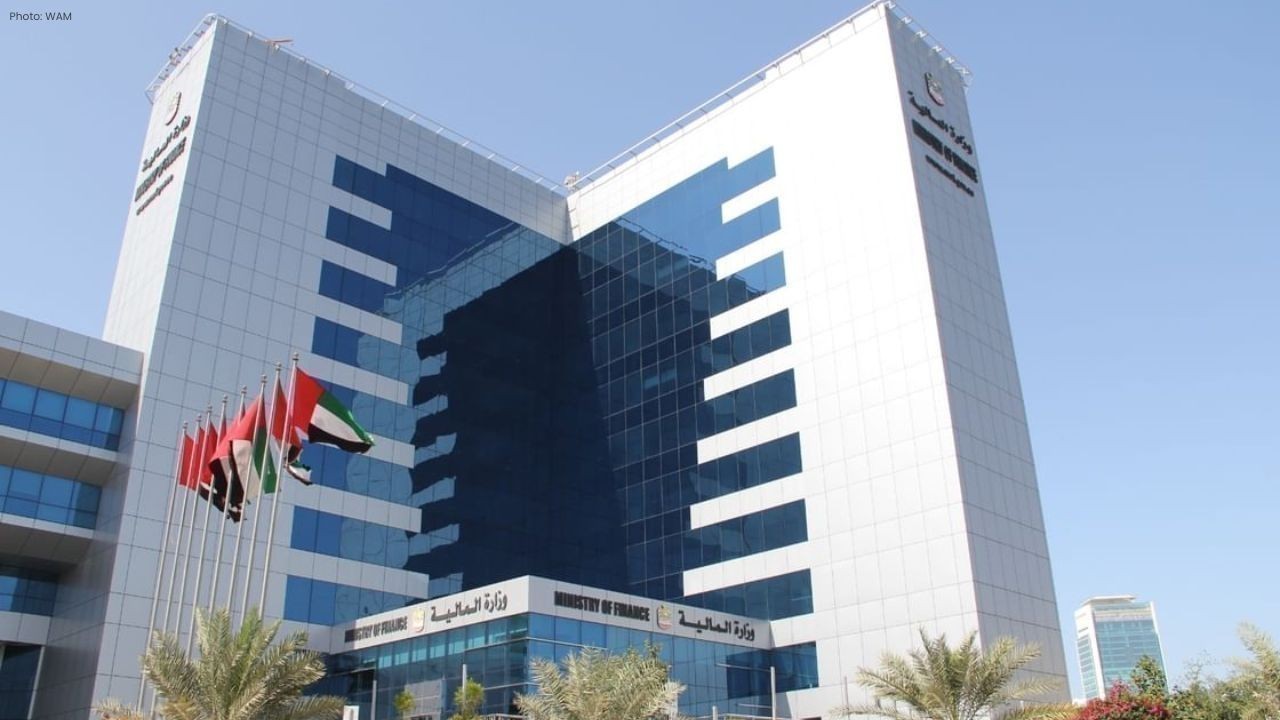
The UAE is set to implement a significant overhaul of its excise tax on sugar-sweetened beverages, following the Ministry of Finance’s announcement of legislative amendments designed to modernize the system. The new framework, effective from 1st January 2026, introduces a tiered volumetric model aligned with the Gulf Cooperation Council’s recent guidelines.
Tiered Tax Model
Under the updated law, sugar-sweetened drinks will be taxed based on sugar content or other sweeteners. This approach replaces the previous flat-rate system, aiming to create a more nuanced and fair taxation method that encourages healthier consumer choices while maintaining market competitiveness.
Stay informed with the latest news. Follow DXB News Network on WhatsApp Channel
Transitional Provisions
The amendments include measures to ease the transition for businesses. Companies that previously imported or manufactured beverages subject to a 50% excise tax can now adjust their accounts if their tax liability decreases under the new model—provided the goods have not yet been sold. This ensures smoother compliance and reduces potential financial disruptions during the transition.
Economic and Health Focus
The UAE government frames the move as part of a broader strategy to strengthen the national fiscal system, support economic stability, and encourage public health initiatives. By adopting a flexible taxation approach, authorities aim to balance revenue objectives with consumer well-being.
Business Impact
Analysts note that the tiered model could reshape beverage pricing strategies, with producers potentially reformulating products to fit lower tax brackets. Market observers anticipate that the legislation may influence consumption patterns and stimulate innovation in healthier drink alternatives.
With these amendments, the UAE positions itself as a proactive member of the GCC in modernizing excise policies, ensuring the country’s regulatory environment remains robust, transparent, and aligned with regional standards.